Smile
What happens, and why it matters
Smile opens with a clinical psychologist watching her patient die by suicide — in front of her, wearing an expression that shouldn't be possible. From that moment, Dr. Rose Cotter's reality fractures. She starts seeing things. People smiling at her in impossible ways. The terror bleeds into her personal life, her relationships, her job. She can't convince anyone it's real. Written and directed by Parker Finn in his feature debut, Smile (2022) is a horror film that uses the supernatural as a vehicle for something scarier: the experience of not being believed when you're falling apart.
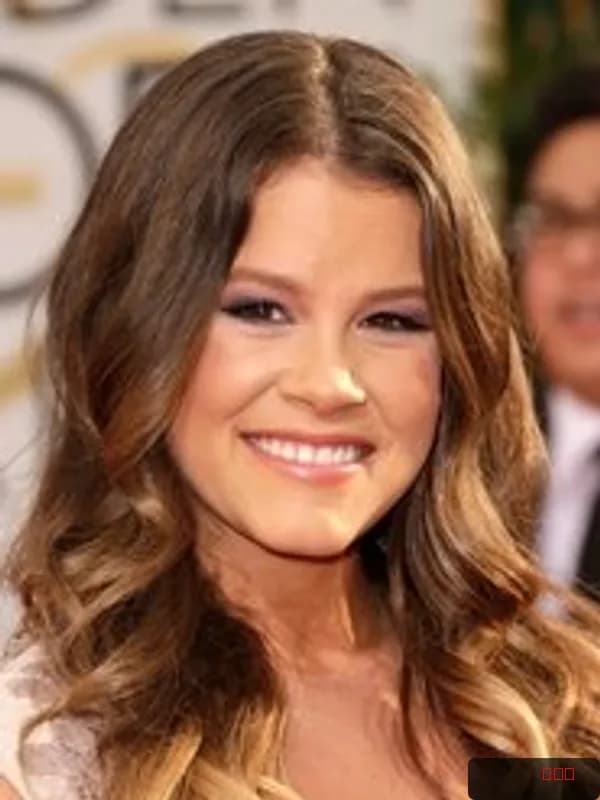
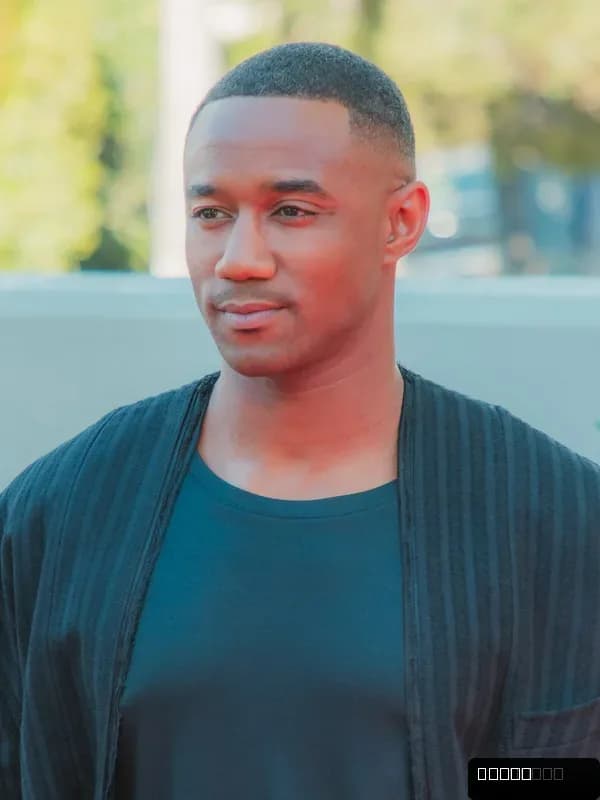
The film stars Sosie Bacon as Rose, with Kyle Gallner as a detective she leans on, Jessie T. Usher as her fiancé, and Robin Weigert as her therapist. It's rated R for strong violent content and language, runs 111 minutes, and it's currently streaming on Prime Video.
How the film got made — and why it succeeded
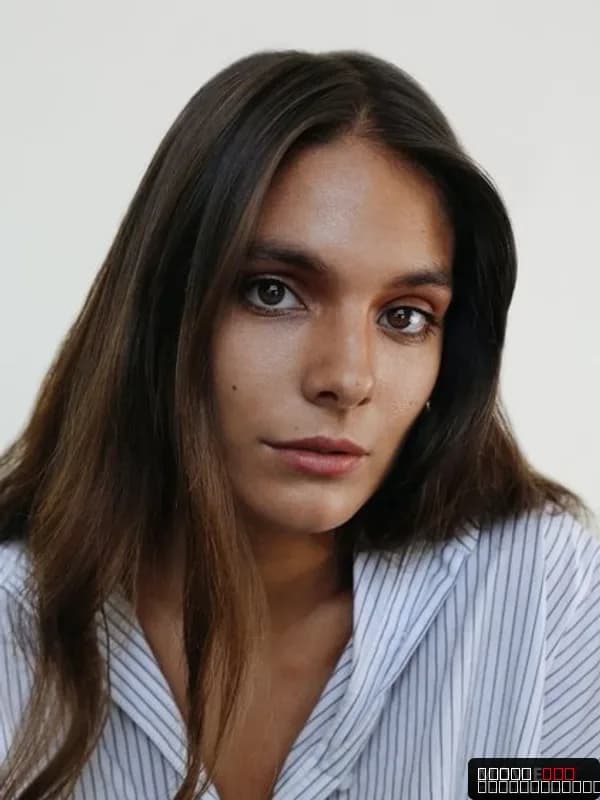
Finn didn't invent this concept from scratch. In 2020, he directed a short film called Laura Hasn't Slept — a tight, economical piece about a woman experiencing similar supernatural persecution. That short convinced Paramount to greenlight a feature expansion. Caitlin Stasey, who appeared in the original short, shows up here too, which gives the film a sense of continuity that fans of Finn's earlier work will catch.
The casting of Sosie Bacon was crucial. She's Kevin Bacon's daughter, sure, but that's not relevant — what matters is that she brings a particular quality of controlled unraveling to the role. There's a scene midway through where Rose, sleep-deprived and desperate, tries to explain what's happening to her fiancé. Bacon plays it with this exhausted, almost embarrassed quality that feels completely real. The film could've fallen apart there. It doesn't.
At the box office, Smile did something rare. Produced on a $17 million budget, it grossed over $200 million worldwide — one of the biggest horror successes of 2022. Paramount's marketing campaign deserves credit: the studio planted actors in the background of live sporting events, grinning blankly at cameras. Variety reported that the campaign was considered one of the more inventive horror rollouts in recent memory. That kind of buzz doesn't happen by accident.
Why the horror actually works
Here's what strikes me about Smile: it structures its horror around the specific texture of mental illness — not as metaphor, but as the actual terrain the film moves through. Rose is a therapist who treats patients with trauma and psychiatric crisis. When she starts experiencing what looks like psychosis, the people around her do exactly what people do in real life. They suggest she's overworked. They recommend she see someone. They quietly start to pull away.
That social isolation is scarier, in some stretches, than the supernatural stuff.
Kyle Gallner, as the detective who becomes her unlikely ally, brings a low-key warmth that functions as the film's emotional counterweight. He's not there to save her — he's there to listen, which is its own kind of rarity in horror cinema.
Audience responses have split. Some viewers found the sound design relentless in a way that stopped being effective and started being numbing. Others, particularly horror fans who appreciated Finn's patience with scene-building, felt the film earned its jump scares by making you tense long before they arrived (think It Follows or Hereditary, not Insidious). Both reactions are describing the same film. Finn is clearly a director who commits fully to atmosphere, sometimes at the expense of plot momentum. Movie OTT's tracking data shows strong continued audience engagement with Smile well past its theatrical run — audiences kept coming back to it.
Where to watch it
Smile is streaming on Prime Video for subscribers. That's your main option right now. Movie OTT keeps an updated tracker of where films land as licensing shifts between platforms, so if Smile moves to Netflix or another service in your region, you'll find it there. Worth noting: the film contains flashing lights sequences that may affect photosensitive viewers.
Is it worth your time?
Smile isn't perfect. The plot mechanics creak in the third act. There are moments where the sound design works against itself. But as a showcase for Sosie Bacon and as a feature debut from a director who clearly knows how to make an audience uncomfortable, it earns its place in the 2022 horror conversation.
If you liked the paranoia of It Follows or the family-breakdown structure of Hereditary, Smile operates in that register — even if it doesn't quite reach those heights. If jump scares usually leave you cold, this one still builds to them with sustained tension rather than relying on cheap startle tactics.
Catch it on Prime Video this week. Movie OTT has recommendations for what to watch next in the same vein if you want to go deeper into psychological horror.
FAQ
Q: Is Smile based on a true story?
No. It's an original concept by Parker Finn, expanded from his 2020 short Laura Hasn't Slept. The film draws on real psychological concepts — PTSD, trauma, the way isolation compounds mental crisis — but the curse at its center is entirely fictional.
Q: Does it have jump scares?
Yes, but they're earned. Finn builds sustained tension before most of them land, so they feel less like gotcha moments and more like the culmination of dread you've been feeling for minutes.
Q: Is it family-friendly?
No. It's rated R for strong violent content and language. This is adult horror, full stop.
Q: How long is it?
111 minutes. It doesn't drag, though the third act tests some viewers' patience.