

Someone's Daughter
Why This 2026 Thriller Works When It Shouldn't
A criminal defence lawyer gets kidnapped. Stranded on a remote island with a former client she once cleared of sexual assault charges. The client's behaviour—subtle, off-kilter, just wrong enough—makes her question everything. Sound like a premise built to collapse under its own contradictions? It doesn't. What works about Someone's Daughter is that it refuses to tip its hand.
Release year: 2026
Runtime: 96 minutes
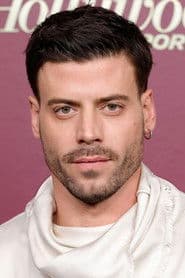
Stars: Pascale Bussières, François Arnaud
Where to watch: Check Movie OTT's streaming tracker for current availability in your region
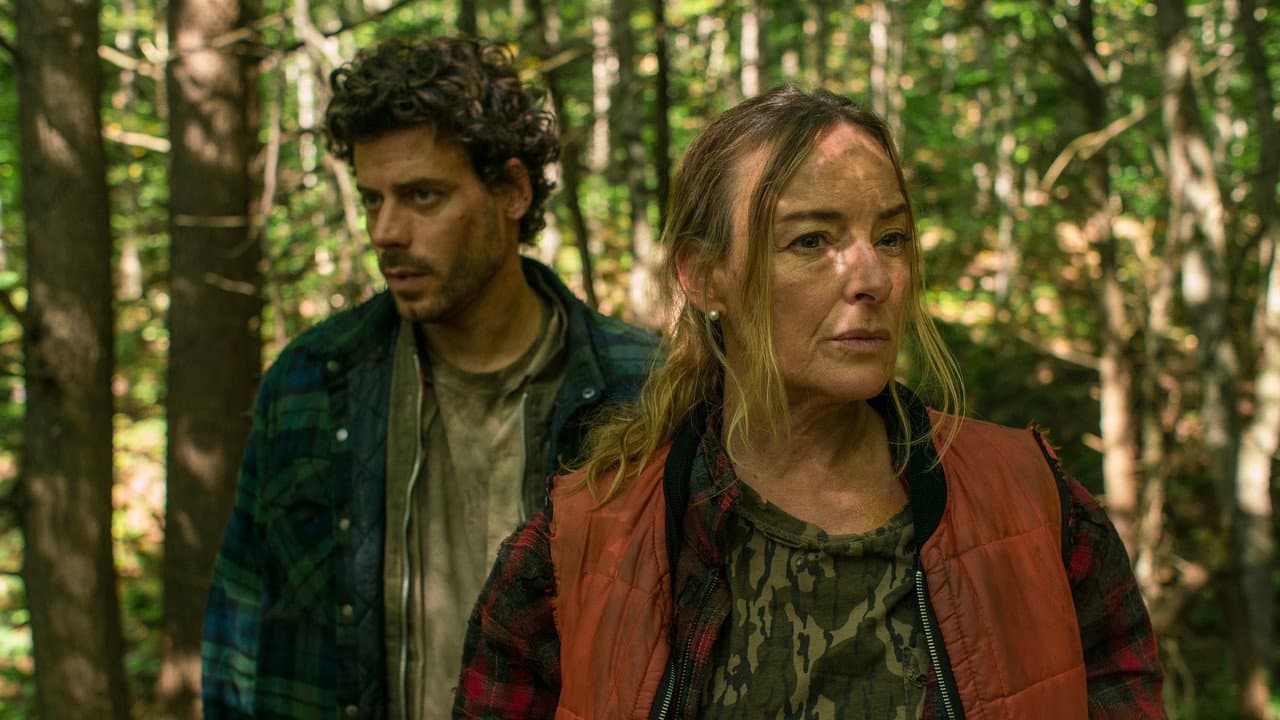
The film trades spectacle for something rarer—two actors holding an audience hostage through pure ambiguity. Pascale Bussières plays Sam, a lawyer whose entire professional identity depends on reading people in a courtroom, on building reasonable doubt, on staying controlled. François Arnaud plays Paul, her former client, and here's where it gets interesting: he's not written as a monster. He's written as a man who might be dangerous, or might just be terrified and acting badly under pressure. The film keeps you—and keeps Sam—suspended between those two possibilities for the entire runtime.
The third player is Borden, the father of Paul's alleged victim, who orchestrated the kidnapping. But he never appears on screen. That's the real design choice here: the absence becomes a pressure point.
How the Premise Actually Survives
I keep coming back to a single scene set during a night shelter sequence. Paul does something that isn't violent, isn't overtly threatening, just slightly off. The kind of micro-behaviour that triggers alarm bells but wouldn't hold up in court. That's the film's actual engine—it's not a survival thriller about wilderness. It's a survival thriller about doubt. Sam knows how to operate within the rules of criminal law. Those rules are useless here.
Director Wiebke von Carolsfeld has spent her career placing women inside systems that weren't built for them (legal systems, social systems, emotional systems). She understands how to make institutional competence look fragile when the stakes become personal. What's striking is the restraint. There's no elaborate action sequence waiting in act three. No twist that reframes everything. The tension lives entirely in the space between two people who have history and no way to escape each other.
Bussières plays Sam's armour—that professional distance, that trained ability to withhold judgment—as something the wilderness methodically strips away. She's not fragile here. She's someone losing the tools that made her powerful, and that's worse. Arnaud, familiar to international audiences from The Borgias and Heated Rivalry, manages something harder: he exists in permanent ambiguity. A less precise actor would've tipped the balance one way or the other. He doesn't.
The Casting Matters More Than It Looks Like
Pascale Bussières is one of Québec cinema's most respected performers—internationally known for When Night is Falling and Ma Vie en cinémascope—and she brings a particular quality that's hard to name. Not fragility. Not toughness either. Something more like controlled intelligence that cracks in ways that feel entirely earned. You believe she could talk her way out of anything. You believe the island breaks that ability.
François Arnaud has the harder role. Paul can't be obviously guilty or obviously innocent. The whole film depends on that tension holding. Hard to say if a less precise actor could've pulled it off. He's genuinely unsettling—not because he's monstrous, but because he's plausible. He's written as the kind of person who might be innocent and still unnerve you completely.
The film slots comfortably into the tradition of cinéma québécois while reaching for a broader genre audience. Movie OTT's editorial team flagged this one early for anyone tracking drama and thriller releases across the streaming landscape—it's the kind of performance-driven tension that actually holds up on a second watch, which matters for the streaming audience.
Where to Actually Watch It
Someone's Daughter is available on major OTT services in 2026, and streaming availability is still expanding through the year. The where-to-watch widget at the top of this page shows which platforms have it right now in your region. If you're somewhere with limited availability, it's worth checking back—distribution for 2026 Canadian titles hasn't fully settled yet.
Here's what matters: don't wait for a "better time" to watch this. It's a 96-minute film that doesn't waste any of that runtime. There's no filler. The psychological tension doesn't dissipate because there's nowhere for it to go.
FAQ
Who directed Someone's Daughter?
Wiebke von Carolsfeld. She's a Canadian filmmaker known for character-driven drama, and she brings a precise, psychologically focused lens to this survival thriller. The emphasis stays on Sam's interior crisis—her doubt, her fear, her professional competence failing her—rather than conventional genre action.
Is it based on a true story?
No. It's original fiction, but the premise draws on very real tensions around criminal defence law, acquittal, and the gap between legal innocence and moral certainty. If you've followed a high-profile trial where someone was acquitted but public opinion never quite believed it, you'll recognize the territory.
How dark does it get?
Dark enough that it earns the thriller label, but not so dark that it becomes torture-porn. The violence is psychological. The real threat is the question: did Sam defend the right person? And now she's trapped with him on an island with nobody else around to answer it.
Should I watch it if I don't like survival thrillers?
Honestly—if you find psychological ambiguity more interesting than plot mechanics, yes. This isn't Alive or The Grey. It's two people in a high-pressure situation where you can't trust your own judgment, and the film doesn't let you off that hook.
The Bottom Line
Someone's Daughter doesn't announce itself loudly. No bombast. No marketing hook that's easy to summarize in a tweet. It earns its tension through two exceptional performances and a premise that puts a genuinely interesting ethical question at the centre of a survival story. If you're the kind of viewer who finds the space between innocence and guilt more frightening than jump scares—watch it. Especially if you've ever wondered what it would feel like to be the only person standing between a verdict and the truth, and suddenly not sure which one you want to be right.