

The story of Somewhere: A man in crisis, interrupted by love
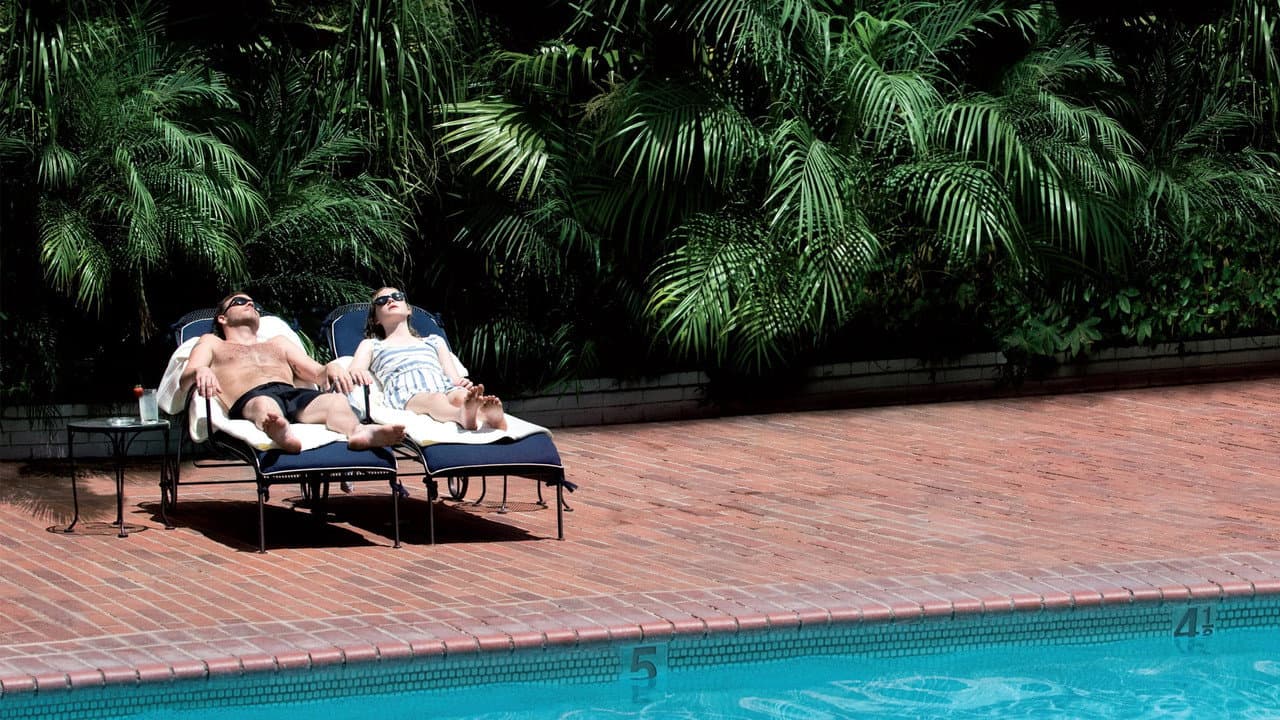
Somewhere opens on a man who has everything—money, fame, professional success—and absolutely nothing that matters. Johnny Marco, a newly famous actor, has checked into the Chateau Marmont, that legendary Hollywood hotel where the famous go to disappear. He's recovering from a minor injury, but the real wound is deeper: he's trapped in a kind of existential paralysis, moving through his days with no real direction, no real feeling. The film doesn't announce this crisis loudly. Instead, it shows you a man ordering room service, doing press junkets, receiving massages, and somehow feeling further away from life with each passing hour. Then his ex-wife has an unexplained breakdown and leaves their eleven-year-old daughter, Cleo, in his care—and everything shifts. What unfolds is a quiet, almost reluctant journey toward maturity, as a father learns that showing up for another person might be the only thing that actually saves you.
Behind the making of Somewhere: Sofia Coppola's intimate Hollywood portrait
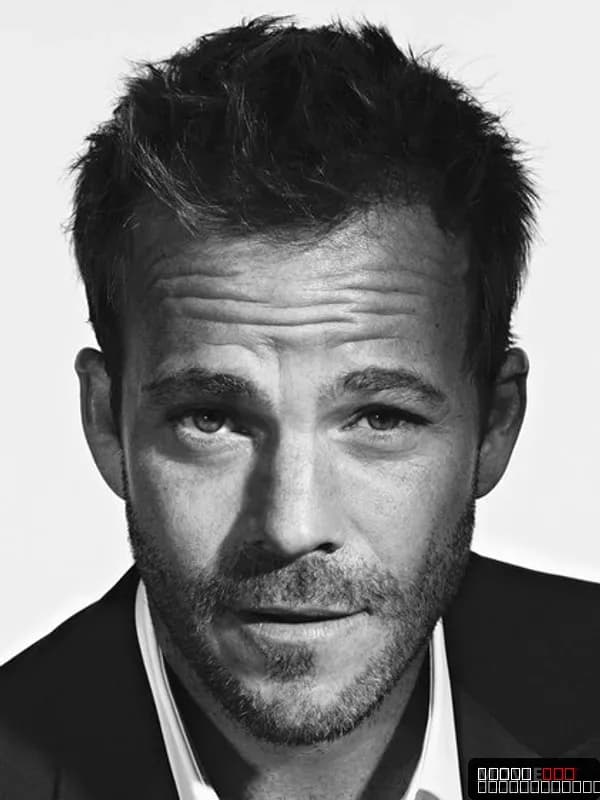
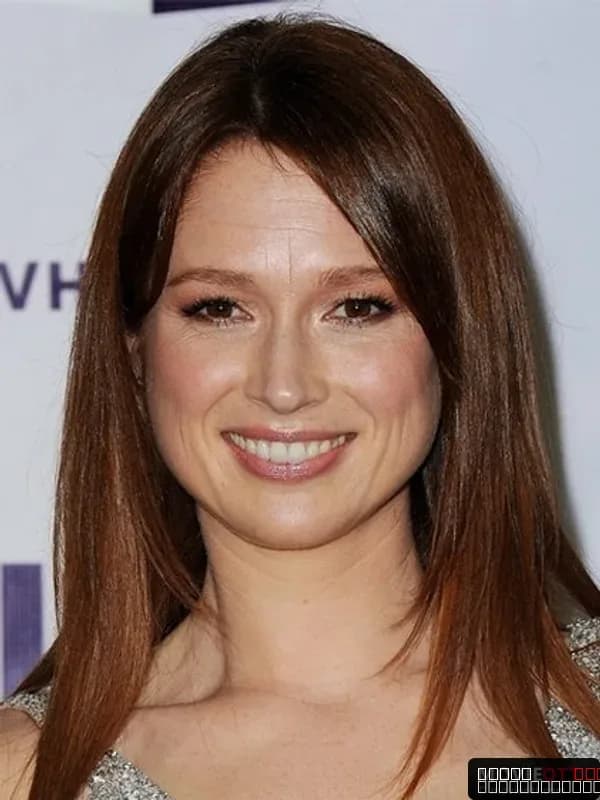
Somewhere arrived in 2010 as Sofia Coppola's third feature film, following Lost in Translation and Marie Antoinette. The film was a Focus Features and Pathé co-production, backed by TFC, Medusa Film, and American Zoetrope—a pedigree that reflected both the indie sensibility and the studio confidence Coppola had earned by that point. Stephen Dorff carries the film as Johnny Marco, a performance that's deliberately understated, almost somnambulistic; Cleo is played by Elle Fanning, then just a child actor but already bringing an unsettling maturity and vulnerability to the role. Coppola's script and direction are spare, almost ascetic—the film runs just 98 minutes and doesn't waste a frame on exposition or explanation. The Chateau Marmont itself becomes a character, its mid-century modernist spaces reflecting the hollowness of Marco's existence. At the box office, Somewhere found a modest audience, but critics recognized it as a work of genuine artistic vision. The film earned a Metascore in the high 70s and nabbed the Golden Lion at the Venice Film Festival in 2010, a major validation for Coppola's uncompromising approach. It's the kind of film that doesn't shout for your attention—it assumes you're patient enough to listen.
What makes Somewhere stand out: Craft, performance, and the silence between scenes
What's striking about Somewhere is how much of the film's power comes from what isn't said. Coppola shoots long, unhurried scenes—a helicopter ride, a strip club visit, a drive through Los Angeles—and lets the camera linger while Marco's internal emptiness fills the frame. She's not interested in dramatic confrontations or neat emotional arcs. Instead, she's after something harder to articulate: the texture of ennui, the weight of years spent performing for others, the way a parent can be physically present while being emotionally absent. Stephen Dorff gives one of his finest performances here, playing a man who's learned to smile on cue but has forgotten how to actually feel anything. There's a famous scene where Marco sits in a Ferrari, and you can almost watch the meaninglessness of it all dawn on him. Elle Fanning, meanwhile, brings a kind of sad wisdom to Cleo—she's not a precocious child genius, just a kid who's already learned that adults are fragile and that love sometimes means being patient with someone who's lost. What I keep coming back to is how the film treats its subject without judgment. Coppola doesn't punish Marco for his emptiness or his past failures as a father. She simply shows you what happens when someone finally has to be responsible for another human being, and how that can be the beginning of becoming real. Movie OTT tracks the current streaming availability for films like this that reward patient, attentive watching.
How to watch Somewhere online: Streaming availability and where to find it
Somewhere is currently available on major OTT services, and you can check the Where to Watch widget at the top of this page to see which platforms are carrying it in your region right now. Streaming catalogs shift constantly, so it's worth checking Movie OTT to confirm current availability before you settle in. The film's slow-burn pacing and intimate cinematography actually benefit from a home viewing experience—there's something about watching it on your own time, without the pressure of a theater full of people expecting plot momentum, that lets Coppola's vision sink in. It's a film that rewards a quiet evening and your full attention. If you're a subscriber to any of the major platforms, there's a good chance Somewhere is already in your library waiting for you.
Frequently asked questions
Q: Who directed Somewhere?
Somewhere was written and directed by Sofia Coppola, the acclaimed filmmaker behind Lost in Translation and Marie Antoinette. It won the Golden Lion at the Venice Film Festival in 2010.
Q: Is Somewhere based on a true story?
No, Somewhere is an original screenplay by Sofia Coppola. While it draws on themes and observations about Hollywood life and celebrity culture, the story of Johnny Marco and his daughter Cleo is fictional.
Q: How long is Somewhere?
The film has a runtime of 98 minutes, making it a relatively compact drama that moves at its own contemplative pace.
Q: What is the Chateau Marmont?
The Chateau Marmont is a real hotel on the Sunset Strip in Los Angeles, famous as a retreat for celebrities and artists. It serves as the primary setting for much of the film and becomes emblematic of Hollywood's glamorous emptiness.
Q: Where can I watch Somewhere?
Somewhere is available on major OTT streaming services. Use the Where to Watch widget at the top of this page to find which platforms are currently offering it in your area, or visit Movie OTT to check streaming availability.
Final thoughts on Somewhere: A film for the patient viewer
Somewhere isn't a crowd-pleaser, and it doesn't pretend to be. It's a film about the cost of fame and the redemptive possibility of love, told without sentimentality or easy answers. If you're looking for plot twists or dramatic revelations, you'll be disappointed. But if you're willing to sit with a character in his emptiness and watch him slowly, almost accidentally, find his way back to feeling—then this film has something rare to offer. It's cinema that trusts you to understand what it's showing, not what it's telling. That kind of trust is getting harder to find.