Somewhere After
What you need to know upfront
Somewhere After is a 2026 Australian documentary that does something simple but rare: it lets seven people speak honestly about who they were in 2020, then comes back three years later to watch them listen to themselves. No narrator. No experts explaining what it all means. Just two moments in time — separated by a pandemic and everything that came with it — held up against each other. Runtime: 79 minutes. No theatrical release; it's streaming-only.
The core question it asks doesn't get a neat answer: Can difficult times actually turn us into who we hope to be?
How it was made — and why the structure matters
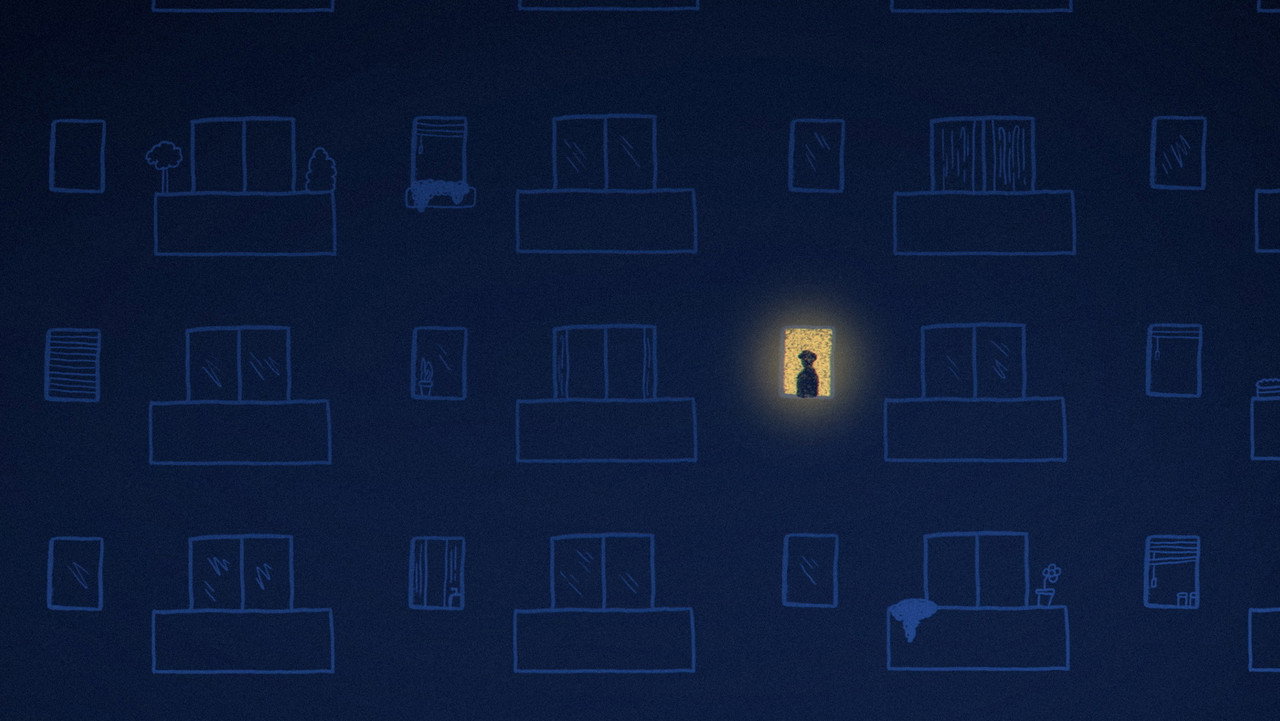
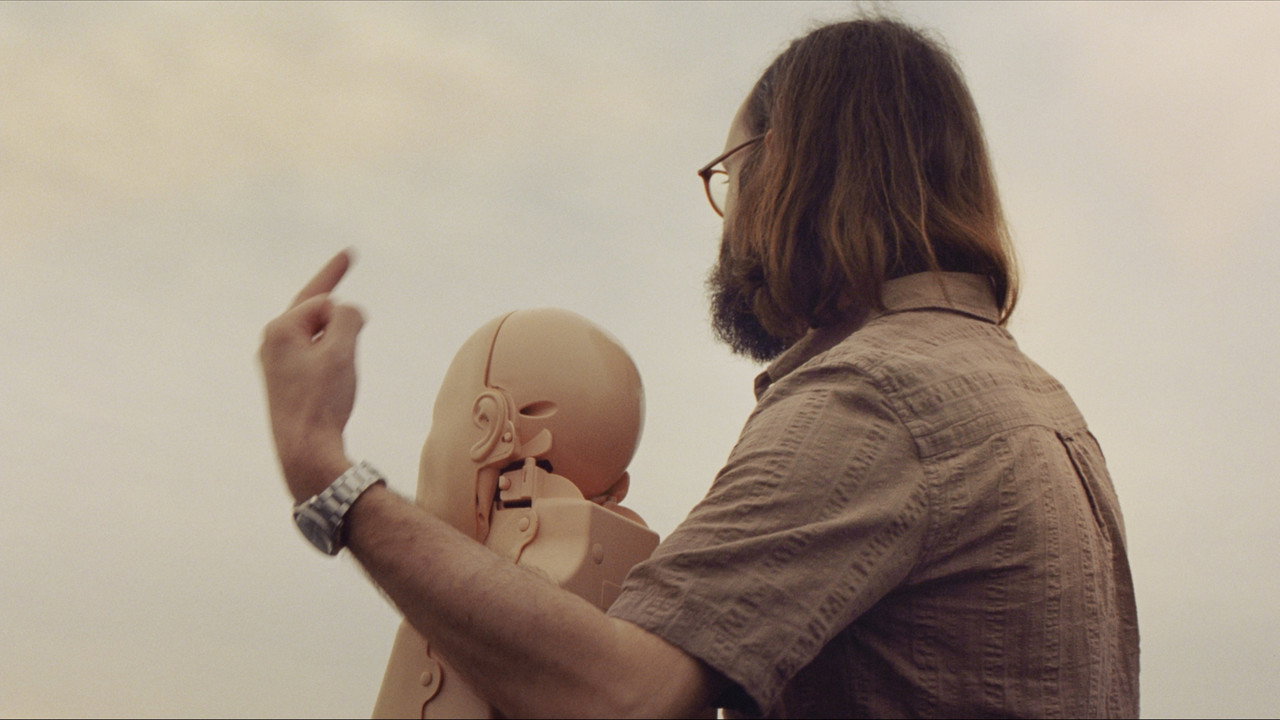
In 2020, during Australia's strictest COVID lockdowns, the filmmakers sat down with seven ordinary people and asked them to record their honest thoughts — hopes, fears, the dreams they were clinging to during isolation. Each participant then chose a landscape that felt like where they were emotionally. A coastal bluff. Dry outback plains. A suburban backyard. These weren't random props; they functioned as visual metaphors the film trusts you to interpret yourself.
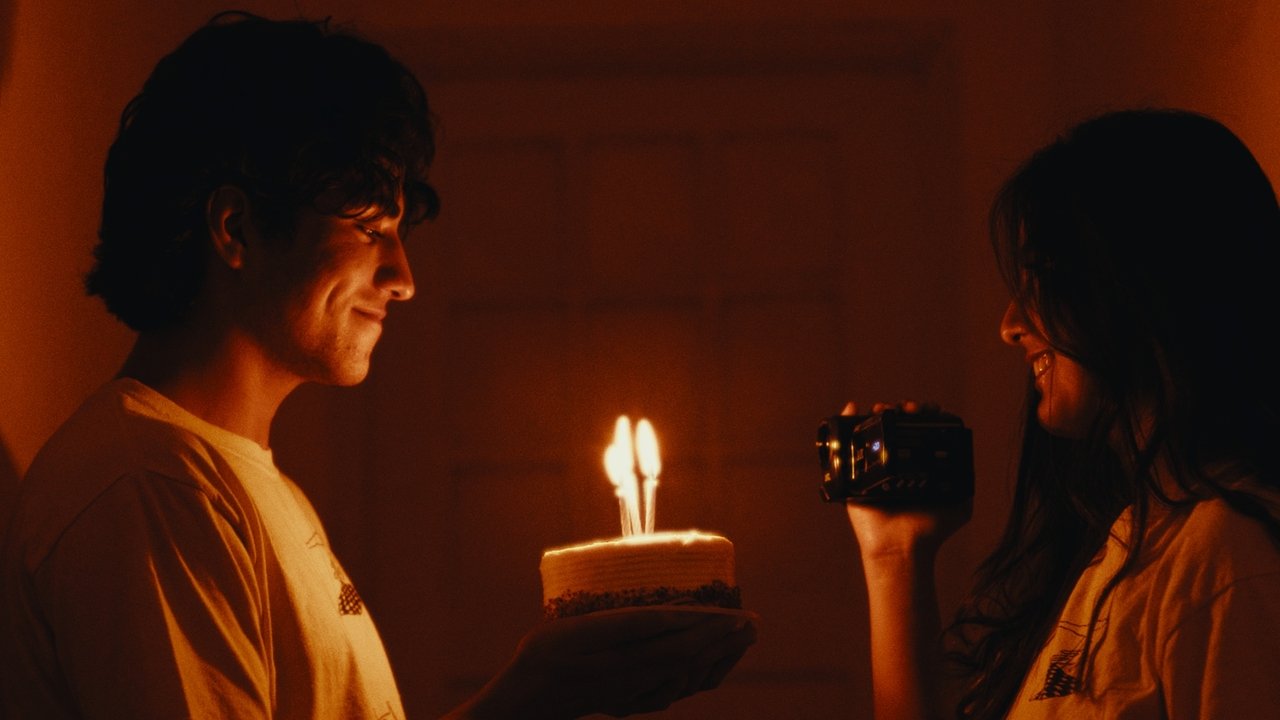
Three years later — we're talking 2023 — those same seven people gathered to listen back to their 2020selves. What unfolds is uncomfortable, funny, surprising, sometimes painful. And that's the entire film.
What's striking is what the filmmakers didn't do. They resisted the urge to explain. There's no talking-head expert contextualizing the subjects' experiences, no therapist or narrator stitching everything into a thesis. The subjects are the cast. The film's craft is purely in the space it holds for them.
The movie arrived in 2026 with minimal fanfare — no awards circuit run to speak of yet, no major press junket. If you're tracking Movie OTT and similar platforms that follow under-the-radar documentary releases, this is exactly the kind of title that lands quietly and builds an audience through word-of-mouth rather than hype. That's often how the most interesting work survives.
Why it works when similar films usually don't
Most documentaries about personal growth resolve the same way: someone faces hardship, emerges changed, credits roll. Somewhere After refuses that.
What strikes me is how the film handles the gap between expectation and reality. When subjects listen to their 2020 selves describing post-lockdown plans — sometimes grandiose, sometimes modest — you see them clock the distance between who they thought they'd become and who they actually are. Sometimes that distance is smaller than expected. Sometimes it's enormous. The film doesn't tell you whether that's good or bad. It just sits with the question.
The humour catches you off guard. One subject listens back, laughs at something their younger self said with total conviction, then goes quiet. That thirty-second beat — laughter shifting into something rawer — contains more emotional information than most documentaries manage in an hour. It's the thing nobody mentions about these kinds of films: they can be genuinely funny without undermining the weight of what's happening.
I keep coming back to memory. Not as something fixed and true, but as something that changes depending on who's remembering and when. The 2020 recordings aren't treated as gospel truth; they're treated as artifacts. Which is just more honest about how memory actually works.
Where to watch it
Somewhere After is on major streaming platforms — availability shifts by region, so your best bet is checking the live where-to-watch widget at the top of this page. If you're in Australia, you'll likely find it easily given the film's local origin. International viewers may see narrower options initially, but the direct-to-streaming release model suggests the rights holders are pushing for broad digital distribution.
Can't find it right now? Come back in a few weeks. Streaming windows open and close, and documentaries like this sometimes expand availability once they build momentum through word-of-mouth. Movie OTT's streaming tracker updates in real time across regions — worth bookmarking if you plan to hunt for titles that aren't on your usual platforms yet.
Quick questions answered
Runtime? 79 minutes. Single feature. No episodes, no sequel.
Is it a true story? Yes. Seven real Australians, recorded during actual 2020 lockdowns, with real unscripted follow-up conversations in 2023.
Who are the subjects? The film keeps them lightly identified, which is part of why it feels so candid. The focus is on their inner lives, not their public identities or résumés.
What if I didn't like the pandemic-focused docs? This isn't really about the pandemic as an event. It's about what difficult periods reveal about who we are and who we want to be — isolation just happens to be the vehicle.
Best for whom? Anyone patient enough to sit with quiet, unresolved questions. If you need a tidy ending and clear takeaways, this isn't it. If you're drawn to documentary work that trusts its audience to think — and doesn't spoon-feed meaning — this lands.
Should you watch it?
Yes. Not because it's flawless. It's patient in ways some viewers won't have patience for, and it doesn't offer the emotional resolution that more conventional documentaries reach for. But it earns something real in those 79 minutes. Seven honest attempts at answering whether hardship can transform us into better versions of ourselves. That's rarer than it sounds, and it's worth your time if you're actually interested in the question — not just the answer.