The story of Somewhere I'll Find You
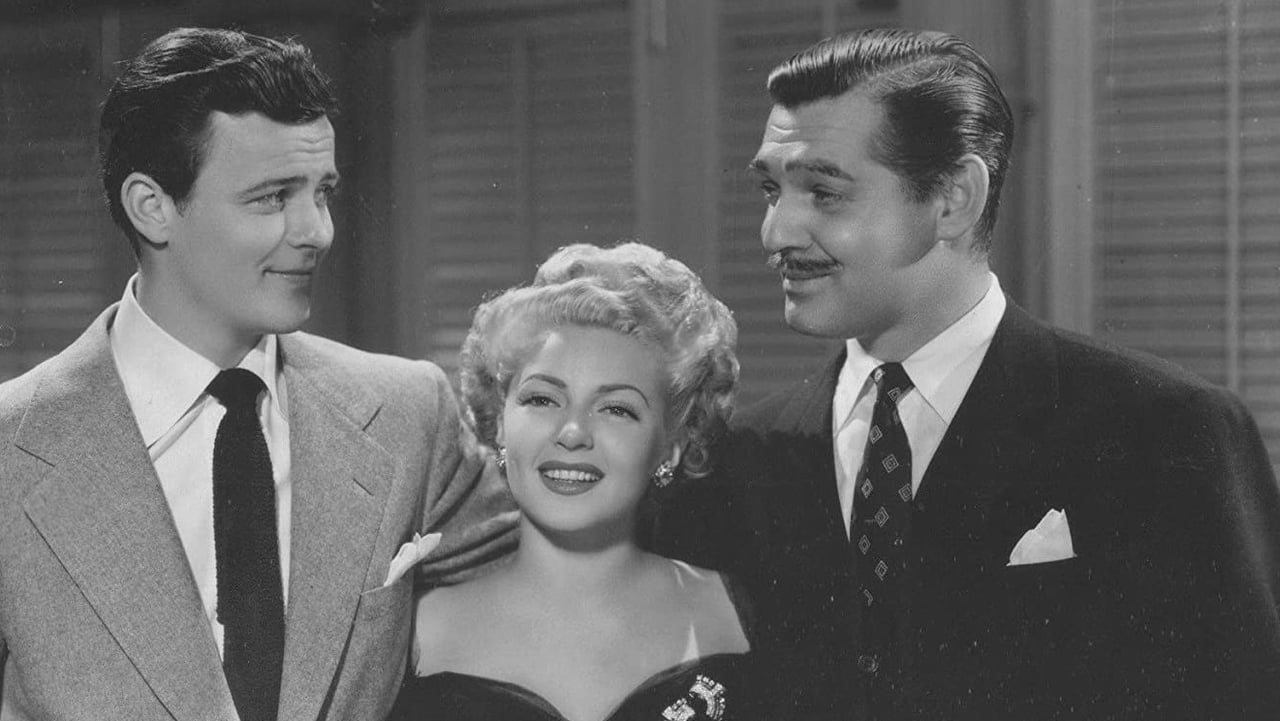
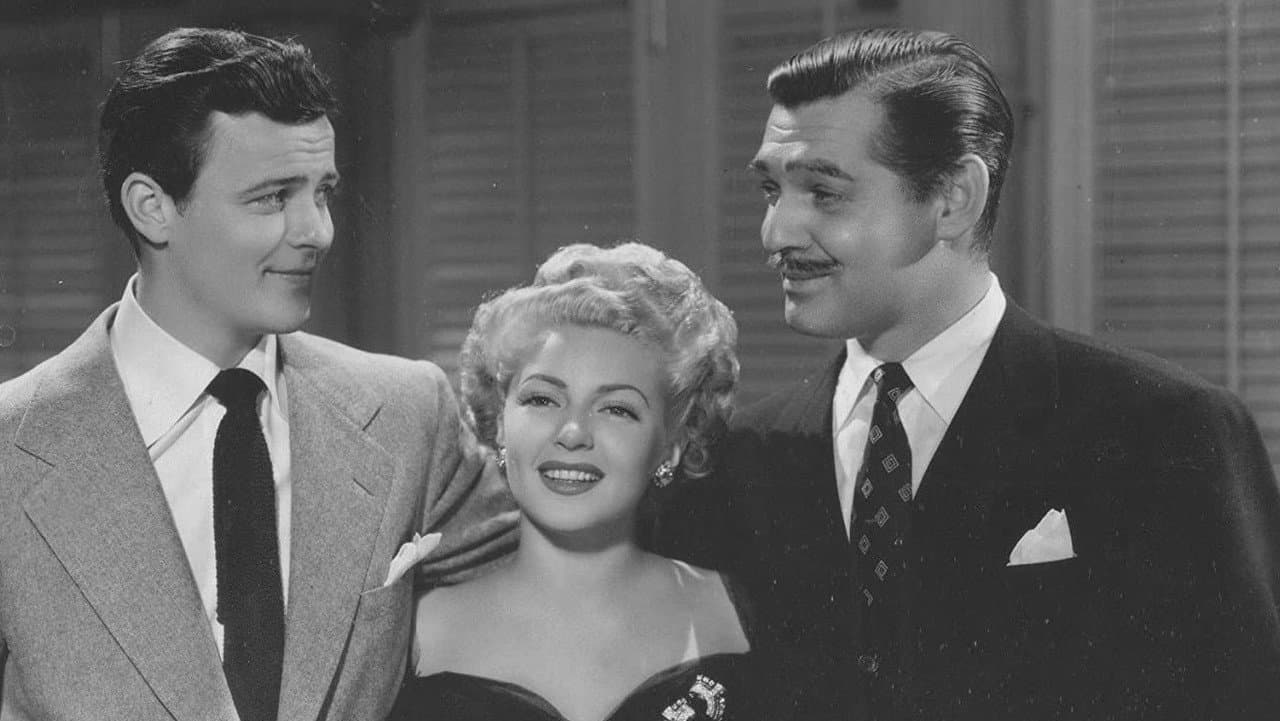
Somewhere I'll Find You tells the story of two brothers who happen to be competing war correspondents, both chasing the same woman while covering the conflict in the Pacific theater during World War II. The premise is straightforward enough—professional rivalry, romantic entanglement, wartime urgency—but what drives the film is the electric tension between Clark Gable and Lana Turner as they navigate duty, ambition, and desire in equal measure. Neither wants to admit they care more about the other than about getting the story. The film unfolds against the backdrop of actual combat zones, where danger lurks as much as jealousy does, forcing both characters to confront what really matters when bullets start flying.
Behind the making of Somewhere I'll Find You
Directed by Wesley Ruggles and released by Metro-Goldwyn-Mayer, Somewhere I'll Find You carries enormous historical weight—not because of critical acclaim (the film sits at a modest 5.7 on IMDb), but because it marked Clark Gable's final screen appearance before he enlisted in the United States Army Air Forces. The production itself was grueling. Nearly two years passed between the start of filming and its 1942 release, a delay that reflected both the complexity of the wartime production and the unpredictable nature of studio scheduling during the era. Gable's next film wouldn't arrive until 1945's Adventure, a gap that speaks to the genuine interruption his military service created in his career. Lana Turner, then at the height of her stardom and box-office appeal, brought her own considerable magnetism to the role—the kind of leading lady who could hold her own opposite one of Hollywood's most bankable stars. MGM, always conscious of its roster's prestige, assembled a film that felt both intimate and sweeping, a love story wrapped in a war picture wrapped in a farewell.
What makes Somewhere I'll Find You stand out
What's striking about Somewhere I'll Find You is how it refuses to choose between its genres. It's a romance, yes, but it's also a war drama with real stakes, and the friction between those two impulses—the desire to capture love on screen versus the moral weight of depicting conflict—creates something that still feels alive, even if it doesn't always work. Gable and Turner have genuine chemistry; there's a moment early on where they're both pretending not to care about each other while very obviously caring, and the awkwardness of it is almost painful to watch. That's not a flaw. That's the movie understanding something true about how people actually behave when pride and passion collide. The supporting cast grounds the film in a kind of authenticity that keeps it from tipping into pure melodrama. What I keep coming back to is how the film treats the war itself—not as backdrop but as the thing that makes everything else matter. Love stories are a dime a dozen. Love stories where both characters know they might die tomorrow? That changes the emotional temperature of every scene. The film isn't perfect (the pacing drags in the second act, and some of the dialogue feels stilted by modern standards), but there's a sincerity to it that survives the decades.
Where to stream Somewhere I'll Find You online
Somewhere I'll Find You is available on major OTT services, and you can find the current streaming availability listed in the "Where to Watch" widget at the top of this page. The film's restoration and availability across platforms means it's easier than ever to catch this piece of Hollywood history without hunting through obscure channels. If you're exploring classic MGM productions or want to see Gable's final pre-war work, Movie OTT tracks where titles like this one are currently streaming so you don't have to check five different apps. The 108-minute runtime makes it a manageable watch for an evening, and the black-and-white cinematography actually enhances the wartime atmosphere rather than dating the film.
Frequently asked questions
Q: Is Somewhere I'll Find You based on a true story?
No, the film is a fictional drama written for the screen. While it's set during the real events of World War II in the Pacific, the plot and characters are inventions designed to explore themes of ambition, love, and duty during wartime rather than chronicle actual events.
Q: Was this really Clark Gable's last film before he enlisted?
Yes. Somewhere I'll Find You was Gable's final picture before he joined the U.S. Army Air Forces. He didn't appear on screen again until Adventure in 1945, making this film a poignant farewell to his pre-war Hollywood career.
Q: Who directed Somewhere I'll Find You?
Wesley Ruggles directed the film. Ruggles was an experienced hand at both drama and romance, and he brought a steady touch to balancing the film's competing tones.
Q: How long did it take to make Somewhere I'll Find You?
The production took nearly two years to complete, which was unusually lengthy for the era. This extended timeline reflected the challenges of filming during wartime and the ambitions of MGM's production schedule.
Q: Where can I watch Somewhere I'll Find You right now?
The film is currently available on major streaming platforms. Check the "Where to Watch" widget on this page for the most up-to-date list of services carrying it in your region, or visit Movie OTT's streaming database for real-time availability across all platforms.
Final thoughts on Somewhere I'll Find You
Somewhere I'll Find You isn't a masterpiece, and it won't change your life. But it's a film worth watching for anyone interested in Gable's career, 1940s Hollywood romance, or the way cinema tried to process the reality of World War II while still telling intimate human stories. The fact that Gable himself walked away from acting to serve his country adds a layer of meaning that no amount of clever marketing could manufacture. There's something genuinely moving about watching an actor's final performance, knowing what comes next. If you're in the mood for old Hollywood glamour mixed with wartime urgency, this one delivers.