






The Story of Sophie's Ways and Céline's Quiet Rebellion
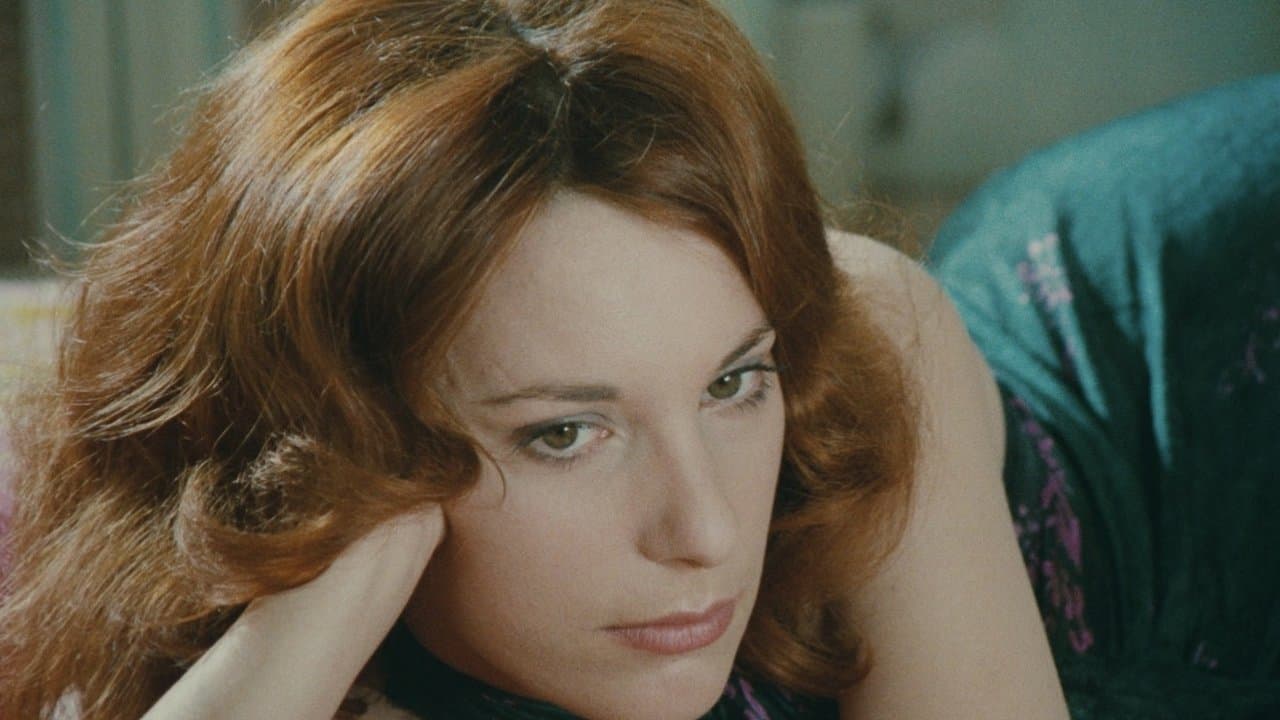
Sophie's Ways tells the story of Céline, a woman whose life has become a monument to someone else's comfort. She's married to Philippe, a middle manager whose ambitions stop at the dinner table, and her role in his world is fixed: the ornament, the backdrop, the wife who exists to make his life run smoothly. But Céline isn't content with that script. When she befriends a woman who shows her how to reclaim agency over the couple's finances — how to bend the household budget to her own will — something shifts. What begins as small acts of financial independence spirals into something larger: she picks up a paintbrush, she starts writing, she begins to question everything she'd accepted as inevitable. The film watches Céline slowly extract herself from Philippe's suffocating world, not through dramatic confrontation but through the patient, stubborn work of becoming herself.
Behind the Making of Sophie's Ways and Its French New Wave Context
Sophie's Ways emerged from three production companies — S.N. Prodis, Saroy Films, and Les Films de la Licorne — during a fascinating moment in French cinema. The early 1970s were a time when French filmmakers were still riding the energy of the New Wave, even as that movement's initial shock had begun to settle into something more introspective. The 97-minute runtime gives the film room to breathe, to linger on Céline's internal shifts rather than rushing toward plot mechanics. What's striking is how the production values reflect the film's own themes: there's a deliberate modesty to the filmmaking, a refusal to make spectacle out of domestic life. The cast brings a naturalism to their roles that feels lived-in rather than performed, though the film never received major awards recognition or significant box office attention in its initial release. It's the kind of picture that didn't make headlines but has accumulated a quiet following among those who stumble across it — the sort of film Movie OTT helps surface for viewers hunting beyond the obvious recommendations.
What Makes Sophie's Ways Stand Out Among 1970s Character Studies
The performances that anchor Sophie's Ways work because they refuse easy sentiment. Céline isn't a heroine in the traditional sense — she's not fighting a villain or overcoming a single crisis. She's negotiating the infinitely smaller, infinitely more complicated task of becoming visible in her own life. The film's genius is in its refusal to make her husband into a monster. Philippe's dullness, his inability to see his wife, isn't cruelty — it's indifference, which is somehow worse. And what's striking is how the film captures the peculiar loneliness of being unseen by someone you share a bed with. The friendship that catalyzes Céline's awakening doesn't feel like a plot device; it feels like the kind of small grace that actually changes people. When Céline turns to painting and writing, the film doesn't present these as hobbies. They're survival. They're how she proves to herself that she exists as something more than a wife. The IMDb rating of 5.5 doesn't quite capture what's happening here — the film's quiet power doesn't always register with algorithms trained on action and spectacle. But for viewers willing to sit with ambiguity, with the slow accumulation of small rebellions, it's genuinely moving.
Where to Stream Sophie's Ways Online
If you're looking to watch Sophie's Ways, the film is currently available on major OTT services, and you can check the Where to Watch widget at the top of this page to see which platforms have it in your region right now. Streaming availability shifts constantly, which is why Movie OTT tracks current placements across services — so you don't waste time hunting for a title that's been rotated off. Sophie's Ways isn't the kind of film that gets heavy marketing pushes, so it often lives in the secondary tiers of streaming catalogs, waiting for curious viewers to find it. That's part of its charm, honestly. It's not a film that demands your attention through algorithm manipulation. You've got to choose it, seek it out, which feels appropriately aligned with what the film itself is about.
Frequently asked questions
Q: What year was Sophie's Ways released?
Sophie's Ways came out in 1971, during a transitional period in French cinema when filmmakers were exploring more intimate, character-driven narratives. It's a film of its era — shot and structured in ways that reflect 1970s sensibilities about cinema and storytelling.
Q: Who directed Sophie's Ways?
The film was a collaborative production from three companies: S.N. Prodis, Saroy Films, and Les Films de la Licorne. These production houses were instrumental in bringing the story to the screen during the early 1970s.
Q: Is Sophie's Ways based on a true story?
There's no evidence that Sophie's Ways is based on a specific true story, though the themes of marital dissatisfaction and female self-discovery reflect real struggles that many women faced in the 1970s. The film's power comes from its emotional authenticity rather than biographical detail.
Q: How long is Sophie's Ways?
The film runs 97 minutes, a length that gives the narrative room to develop Céline's character and her gradual transformation without rushing or padding.
Q: Where can I watch Sophie's Ways right now?
You can find current streaming availability by checking the Where to Watch widget on this page. Sophie's Ways rotates across major OTT services, so availability depends on your region and the current licensing agreements.
Final Thoughts on Sophie's Ways
Sophie's Ways isn't a film that'll change your life in the way a masterpiece does, but it'll stay with you in the way smaller, truer things do. It's about the courage it takes to want something for yourself when you've spent years learning not to want. It's about the peculiar friendship between women who recognize each other's hunger for more. It's a 1971 film that doesn't feel dated because its subject — the quiet desperation of being unseen, the small acts of reclamation — never goes out of style. If you're drawn to character-driven dramas that prize observation over action, this one's worth your time.