
The Story of Spider-Man: Across the Spider-Verse
Spider-Man: Across the Spider-Verse picks up where the Oscar-winning original left off, but this time the stakes don't just feel higher—they're genuinely complicated. Miles Morales (Shameik Moore) is still juggling the impossible: keeping his Spider-Man identity secret from his family while managing the everyday pressures of being a Brooklyn teenager. His parents have noticed his erratic behavior, his grades are slipping, and the lie is eating him alive. But before he can catch his breath, he's pulled into something much bigger than his personal struggles. A team of Spider-People led by Miguel O'Hara (Oscar Isaac) emerges from across the multiverse, and they're operating under a rule that changes everything: certain deaths are inevitable, and heroes don't get to rewrite destiny. Miles finds himself at odds with this Spider-Society, especially when he discovers they're prepared to let someone he cares about die to preserve the multiverse's stability. What follows isn't just another superhero showdown—it's a story about whether the right choice and the heroic choice are always the same thing.
Behind the Making of Spider-Man: Across the Spider-Verse
The film was directed by Joaquim Dos Santos, Kemp Powers, and Justin K. Thompson, working from a screenplay by Phil Lord, Christopher Miller, and Dave Callaham. That's a serious creative team, and it shows. The production faced the kind of ambition that could've easily collapsed under its own weight: animating multiple universes, each with distinct visual styles, while maintaining narrative momentum across a 140-minute runtime. What's striking is that they didn't just succeed—they pushed the medium forward. The animation teams developed new techniques to blend comic-book aesthetics with cinematic movement, creating sequences where you can almost feel the pencil strokes alongside the digital rendering. The voice cast brings real weight to their roles. Shameik Moore carries the emotional core with a vulnerability that doesn't feel forced, while Hailee Steinfeld as Gwen Stacy / Spider-Gwen provides both levity and surprising depth. Oscar Isaac's Miguel O'Hara isn't a simple villain; he's operating from a place of genuine conviction, even when his methods are morally questionable. Brian Tyree Henry returns as Miles's father with a performance that quietly breaks your heart, and Luna Lauren Vélez brings warmth and concern as his mother. Jake Johnson, Jason Schwartzman, and the ensemble cast all serve the larger story without feeling like they're just filling screen time. The film landed an impressive 8.4/10 on IMDb, reflecting both critical appreciation and genuine audience engagement—no small feat for a sequel that had to follow up on the original's Best Animated Feature Oscar win.
What Makes Spider-Man: Across the Spider-Verse Stand Out
Here's the thing: this movie doesn't play it safe. Critics and audiences have noted that the pacing can feel uneven—the story moves at a sprint, sometimes leaving character moments in the dust—but that frenetic energy actually serves the film's central thesis about control and chaos. The visual approach is undeniably the star. Each universe has its own animation language, its own color palette and line weight, and switching between them isn't just eye candy; it's storytelling. When Miles exists in a universe that doesn't quite belong to him, the animation itself becomes alien. The romance between Miles and Gwen crackles with genuine chemistry, complicated by the fact that they're literally from different realities with different stakes. What I keep coming back to is how the film treats sacrifice not as a noble inevitability but as a genuine moral problem. Miguel O'Hara's Spider-Society enforces a doctrine of predestined death—certain people must die so the multiverse doesn't collapse—and the film spends its entire runtime asking whether that's actually justice or just another word for murder. Miles's refusal to accept this, his insistence that there has to be another way, isn't presented as youthful naïveté but as a legitimate philosophical position. The Spot (Jason Schwartzman) works as an antagonist precisely because he's not trying to destroy the multiverse; he's just a guy with a grudge who's been given access to interdimensional portals. That's almost more terrifying—and more human—than a traditional supervillain plot.
How to Watch Spider-Man: Across the Spider-Verse Online
Spider-Man: Across the Spider-Verse has found a home across a wide range of streaming platforms, which means you've got genuine flexibility in how you watch it. The film streams on Disney+, Netflix, and Max, making it accessible through most major subscription services. If you're looking for rental options without a subscription, you can find it on Apple TV Store, Google Play Movies, YouTube, and Fandango At Home. For those with cable alternatives, it's available on fuboTV, HBO Max Amazon Channel, and Spectrum On Demand. Movie OTT tracks current streaming availability across all these platforms—the "Where to Watch" widget at the top of this page shows you exactly which services have it right now, so you don't waste time hunting. Amazon Prime Video (both with ads and standard), Sony Pictures Amazon Channel, and various international platforms including Rakuten TV, Sky Store, and others round out the options. The 140-minute runtime means you'll want to settle in properly, so pick whichever platform you're most comfortable with and give yourself the time to really experience the animation.
Frequently asked questions
Q: Is Spider-Man: Across the Spider-Verse a sequel?
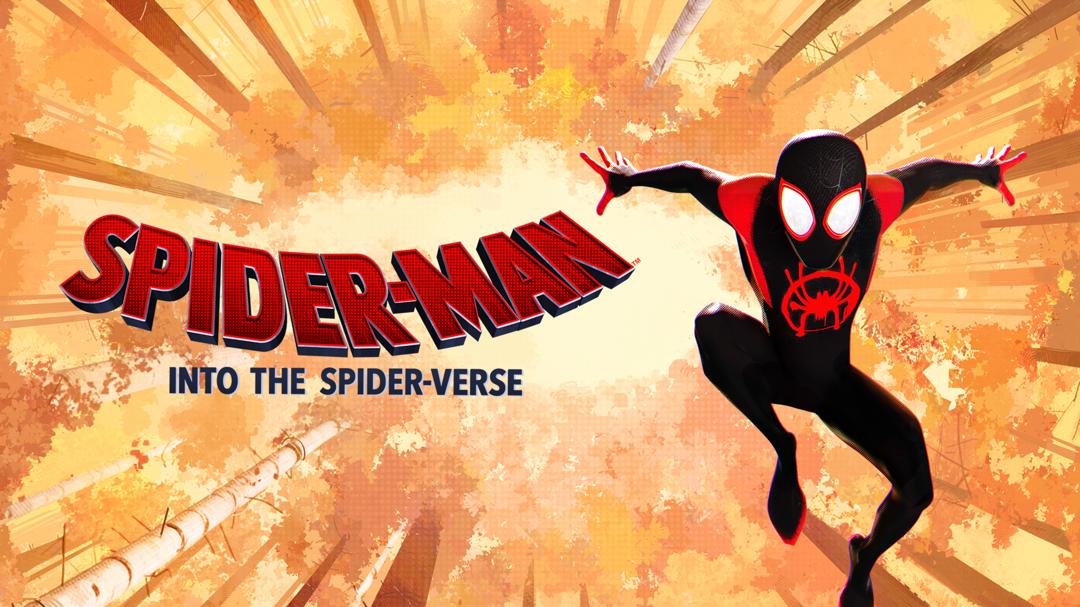
Yes, it's the direct sequel to Spider-Man: Into the Spider-Verse (2018) and the second film in the Spider-Verse franchise. You should watch the first film before this one—the story builds directly on it, and the emotional weight of Miles's journey depends on understanding where he started.
Q: Who directed Spider-Man: Across the Spider-Verse?
The film was directed by Joaquim Dos Santos, Kemp Powers, and Justin K. Thompson, with a screenplay by Phil Lord, Christopher Miller, and Dave Callaham. It's a collaborative effort that brought together multiple creative voices to realize the multiverse concept.
Q: What's the runtime of Spider-Man: Across the Spider-Verse?
The film runs 140 minutes, so it's a substantial watch. That length allows the story to breathe across multiple universes without feeling rushed, though some viewers feel certain sequences could've been trimmed.
Q: Does Spider-Man: Across the Spider-Verse end on a cliffhanger?
Without spoiling anything, yes—the film ends in a way that sets up a third installment and leaves major plot threads unresolved. It's designed as the middle chapter of a trilogy, so come in knowing you won't get complete closure.
Q: Is Spider-Man: Across the Spider-Verse appropriate for kids?
It's rated PG for action and some language. The animation is vibrant and appealing to younger viewers, but the thematic content—dealing with loss, sacrifice, and moral complexity—skews slightly older. Most families with kids aged 10+ will find it appropriate, though sensitive viewers might find certain scenes intense.
Final Thoughts on Spider-Man: Across the Spider-Verse
Spider-Man: Across the Spider-Verse isn't perfect. The pacing stumbles, the sheer number of characters means some get short-changed, and the ending might frustrate viewers expecting resolution. But it's also a film that swings for something genuinely ambitious—a superhero story that refuses to let its protagonist off easy, that questions whether following the rules makes you a hero or just complicit. Miles Morales's journey across the multiverse is ultimately about one thing: whether you have the courage to choose your own path even when the entire universe is telling you it's impossible. That's worth watching. If you haven't caught it yet, now's the perfect time to stream it—and if you have, it's worth revisiting to catch the visual details you missed the first time around.", "where_to_watch_platforms": [ "Disney+", "Netflix", "Max", "Amazon Prime Video", "Apple TV Store", "YouTube", "Google Play Movies" ]