







The Story of Stacey
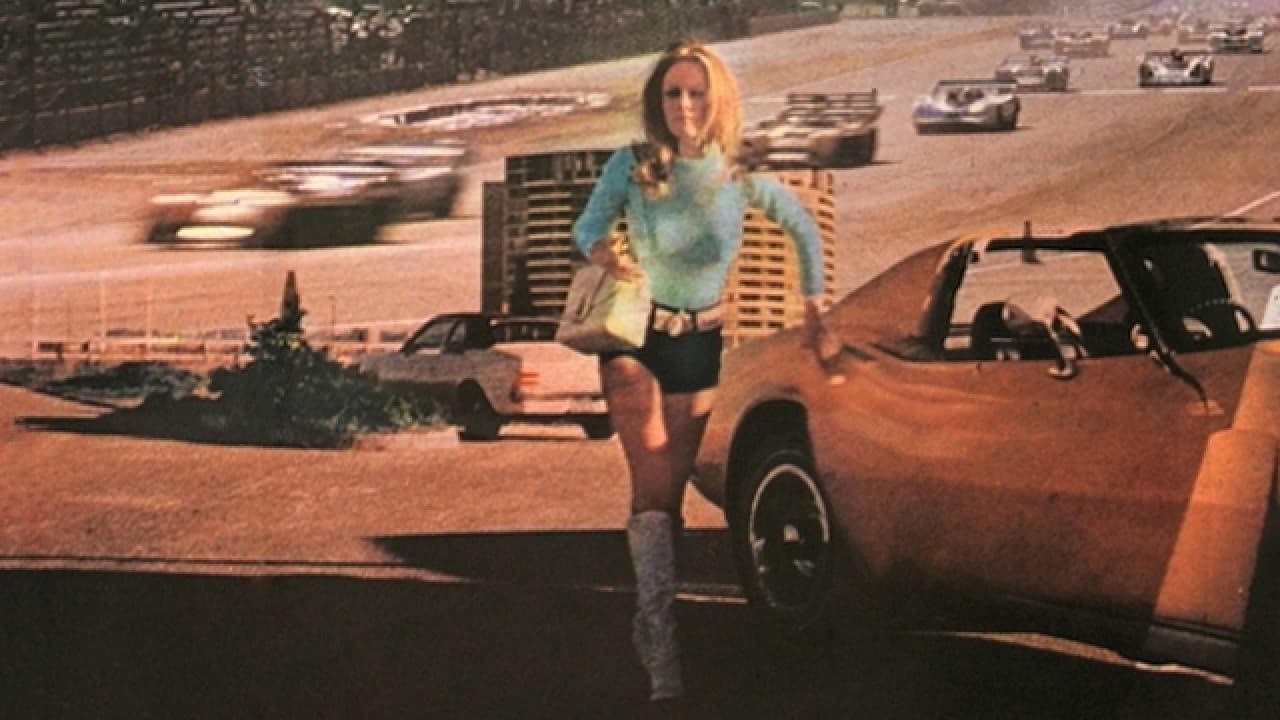
Stacey is a 1973 crime thriller that centers on the sleazy and dangerous world of a gorgeous female private detective. The film follows her through a series of increasingly perilous adventures as she navigates the criminal underworld — a landscape populated by criminals, gangsters, and all manner of unsavory characters. What sets Stacey apart from typical detective fare of the era is its willingness to embrace the exploitation elements of its premise rather than shy away from them. The tagline itself — "They Bang Bang The Whole Gang!" — signals that this isn't a film concerned with subtlety or restraint. At 82 minutes, it moves quickly through its plot, prioritizing action and spectacle over deliberate pacing.
How Stacey Came Together: Production and Backing
Director Andy Sidaris brought Stacey to life in the early 1970s, a period when exploitation cinema was flourishing on the margins of mainstream Hollywood. The film's financing came from an interesting split: Roger Corman's New World Pictures provided half the budget, while Sidaris raised the remaining funds independently — a testament to his confidence in the project and his ability to secure backing outside traditional studio channels. This hybrid funding model was fairly common during the exploitation boom, where savvy independent producers could cobble together financing from multiple sources to bring their visions to screen. The film proved popular enough that it was re-released in 1975 under the title Stacy and Her Gangbusters, suggesting it found an audience willing to return for repeat viewings or catch it for the first time in its second theatrical run. While the film never achieved mainstream critical acclaim — it currently holds a 4.455 rating on IMDb — it's exactly this kind of cult status that has kept it alive in film discourse and streaming libraries decades later.
What Makes Stacey Stand Out in 1970s Crime Cinema
What's striking about Stacey is how unapologetically it leans into its premise. There's no attempt to dress up the exploitation angle with prestige or gravitas — the film knows what it is and commits fully to the bit. The central character, a female private detective in a male-dominated genre, was genuinely transgressive for 1973. Most detective films of the era centered on hardboiled men in fedoras; Stacey flipped the script by centering a woman in the role, though filtered entirely through the male gaze of exploitation cinema. That contradiction — progressive casting paired with regressive framing — is exactly what makes the film a fascinating artifact of its moment. The action sequences, while probably modest by modern standards, carry the kind of scrappy energy that comes from filmmakers working with limited budgets but unlimited ambition. I keep coming back to how these films functioned as a testing ground for ideas that wouldn't reach mainstream cinema for years. The performances don't aim for subtlety; they're broad, energetic, and committed to the pulp material. That commitment is what separates a film that's merely bad from one that's entertainingly bad — and Stacey seems to fall into the latter camp, at least for viewers who appreciate the genre's particular charms.
Where You Can Stream Stacey Online
Stacey is currently available on major OTT services, making it far more accessible today than it likely was during its original theatrical runs. If you're hunting for where to watch, check the "Where to Watch" widget at the top of this page — it'll show you every platform currently carrying the title in your region. Movie OTT tracks streaming availability across services continuously, so you can find exactly where Stacey is streaming right now without having to hunt across multiple apps. Whether you're a devoted exploitation film enthusiast or just curious about 1970s genre cinema, the convenience of streaming means you can discover this cult oddity without much friction. The film's availability on modern platforms is itself a small victory for preservation — these kinds of exploitation titles were often lost to time, their prints deteriorating in storage or simply discarded as commercially worthless.
Frequently asked questions
Q: Who directed Stacey?
Stacey was directed by Andy Sidaris, a filmmaker known for his work in exploitation and action cinema throughout the 1970s and beyond. Sidaris brought a distinctive style to the material, embracing the pulpy, over-the-top elements rather than playing it straight.
Q: Was Stacey funded by a major studio?
No — while Roger Corman's New World Pictures provided half the budget, the other half came from independent financing that Sidaris raised himself. This hybrid model was typical for exploitation films of the era, allowing directors to maintain creative control while securing necessary capital.
Q: Why was Stacey re-released as "Stacy and Her Gangbusters"?
The 1975 re-release under the alternate title suggests distributors were trying to market the film to new audiences or emphasize different elements. Re-titling was a common practice for exploitation films, particularly when theatrical runs were being extended or the film was moving to different markets.
Q: Is Stacey based on a true story?
No, Stacey is a fictional crime thriller. The film is entirely a product of exploitation cinema conventions and genre storytelling rather than drawn from real events or a published source material.
Q: How long is Stacey?
Stacey runs 82 minutes, a fairly lean runtime that keeps the action moving without much downtime. For a 1970s exploitation film, this length was ideal — long enough to develop plot and character, short enough to maintain momentum.
Final Thoughts on Stacey
Stacey isn't a film that's going to change your life or revolutionize cinema. But it's exactly the kind of oddball, unpretentious genre exercise that reminds us why the 1970s were such a fertile period for B-movies and exploitation cinema. The film's willingness to center a female protagonist, however problematically, and its refusal to apologize for what it is, gives it a kind of charm that more polished but soulless productions lack. If you're interested in film history, 1970s genre cinema, or just want to see what Roger Corman's New World Pictures was willing to finance, Stacey deserves a look. Don't expect high art — expect fun, weird, and earnest entertainment from a filmmaker who knew exactly what he was making.