The Story of Stalker: Obsession in Dublin's Underworld
Mark O'Connor's 2012 film Stalker operates in the shadowy margins of Dublin, where desperation and obsession collide. The narrative follows a man whose fixation on another person spirals into something far darker—a psychological descent that mirrors the broken landscapes and fractured lives surrounding him. Without spoiling the specifics, what's striking is how the film treats stalking not as a plot device but as a symptom of deeper fractures: mental illness, economic collapse, the kind of isolation that turns people inward and then outward in dangerous ways. It's not a comfortable watch. That's precisely the point.
Behind the Making of Stalker: Production, Cast, and Irish Cinema
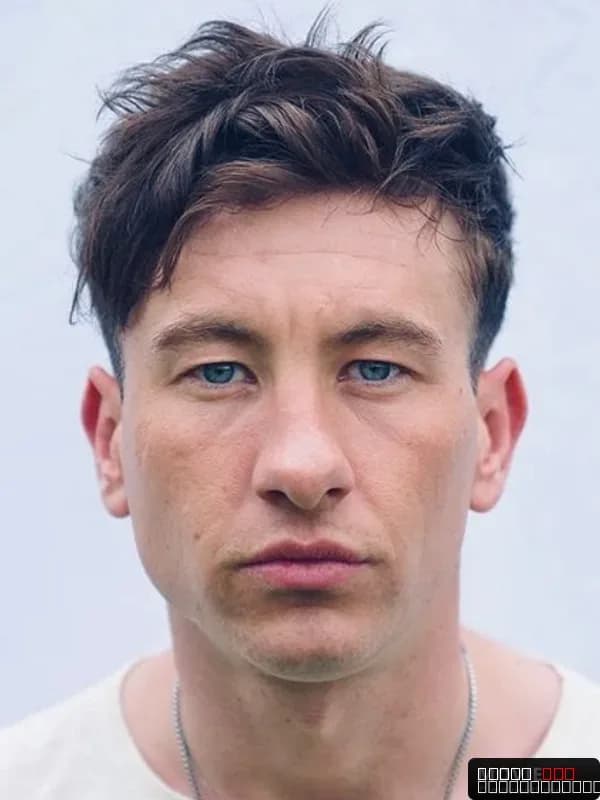
Stalker arrived during a particular moment in Irish independent cinema, when filmmakers were increasingly willing to examine the country's social underbelly—homelessness, drug dealing, mental health crises—with unflinching attention. O'Connor directed the film with a cast that included Peter Coonan and John Connors, both seasoned Irish character actors, alongside a younger ensemble that featured Barry Keoghan before he became a household name through films like The Killing of a Sacred Deer and Dunkirk. Keoghan's work here shows the same unsettling intensity he'd later become known for, though in Stalker he's part of an ensemble rather than the central focus. The film also featured Shane Curry, Michael Collins, Hope Brown, and Kyle Bradley Donaldson—a mix of established and emerging talent.
The production itself was modest in scope, which actually works in the film's favor; there's no glossy veneer here, no attempt to make Dublin's rougher quarters look cinematic in a conventional sense. Instead, the locations feel lived-in, real. The film earned a 6.2 rating on IMDb from 94 votes, a modest but engaged viewership that suggests it found an audience among those willing to seek out challenging Irish cinema. Movie OTT tracks these kinds of regional and independent films across multiple platforms, making it easier to discover work that might otherwise slip past mainstream attention.
What Makes Stalker Stand Out: Performance and Psychological Tension
What makes Stalker work isn't a twist or a plot revelation—it's the way the film builds psychological pressure through performance and setting. The ensemble cast creates a web of damaged, interconnected lives where nobody's entirely sympathetic and nobody's entirely villainous. That moral ambiguity is what separates this from standard thriller territory. I keep coming back to how the film refuses to sensationalize mental illness or homelessness; instead, it treats these conditions as contexts for behavior, not excuses or explanations that let anyone off the hook.
The performances anchor everything. There's a naturalism to how these actors inhabit their characters—no big emotional monologues, no dramatic reveals. Instead, you get tense silences, sudden eruptions of violence, the kind of dialogue that circles around what people actually mean. It's the opposite of theatrical. Keoghan's presence is particularly notable because even in ensemble work, he brings an unsettling quality to the screen; you're never quite sure what he'll do next, which is exactly what the material demands. The film also benefits from its Irish setting and dialect—there's a specificity to how these characters speak and move through the world that grounds everything in a particular place and culture.
Where to Stream Stalker Online
If you're looking to watch Stalker, it's currently available on Prime Video. The film isn't on every platform, which makes sense given its niche appeal and modest distribution, but Prime's catalog of independent and international cinema has expanded considerably over the past decade. Movie OTT's Where to Watch widget at the top of this page will show you the most current availability, since streaming rights shift regularly. For those interested in Irish thrillers and character-driven drama, checking Prime Video's indie selections is worth the effort—you'll find Stalker alongside other regional cinema that doesn't always get the theatrical releases or marketing pushes of bigger productions.
Frequently asked questions
Q: Who directed Stalker?
Mark O'Connor directed the 2012 Irish thriller. It's his exploration of obsession and mental illness set against Dublin's underworld, featuring an ensemble cast of Irish character actors.
Q: Is Barry Keoghan in Stalker?
Yes, Barry Keoghan appears in the ensemble cast before his later breakthrough roles in films like The Killing of a Sacred Deer. His performance here shows the same intensity that would define his later career.
Q: What is Stalker about?
Stalker follows a man's obsession with another person in Dublin, exploring themes of mental illness, homelessness, and violence. It's a psychological thriller that treats its subject matter with seriousness and moral complexity.
Q: Where can I watch Stalker?
Stalker is currently streaming on Prime Video. Check the Where to Watch widget above for the most up-to-date availability across platforms.
Q: Is Stalker based on a true story?
The film isn't based on a specific true story, though it draws on real social issues in Ireland—homelessness, drug dealing, mental health crises—that informed O'Connor's screenplay and vision.
Final Thoughts on Stalker: Who Should Watch
Stalker isn't for everyone. It's deliberately uncomfortable, morally murky, and uninterested in providing easy answers or cathartic resolutions. But if you're drawn to character-driven thrillers that take mental illness and social collapse seriously—if you want cinema that trusts its audience to sit with complexity and ambiguity—then this Irish film deserves your time. It's the kind of work that reminds you why independent cinema matters.