
The Story of Starve Acre
When Richard and Jules move back to his late father's remote hill farm in Yorkshire with their young son Owen, they're hoping for a fresh start in the countryside. What they don't anticipate is that their new home—sitting isolated on the moors—harbors something far older and far more sinister than a family inheritance. Owen begins hearing a voice, something that compels him toward strange and increasingly violent behavior. As his parents struggle to understand what's happening to their child, a tragedy strikes that fractures their marriage and forces them to confront the possibility that something supernatural has taken root in their home. Starve Acre unfolds as a slow-burn nightmare where the pastoral landscape becomes a character itself, pressing down on the family with an almost physical weight.
Behind the Making of Starve Acre
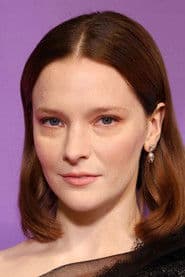
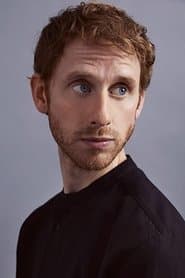
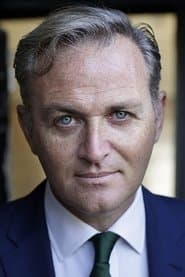
Starve Acre is the 2024 adaptation of Andrew Michael Hurley's 2019 novel, written and directed by Daniel Kokotajlo in his feature directorial debut. The film brings together a formidable production team: House Productions, Brainstorm Media, BBC Film, the BFI, and Access Entertainment all collaborated to bring this folk-horror vision to life. The cast anchors the story with real emotional heft—Matt Smith (known for his commanding presence in The Crown and Doctor Who) plays Richard, while Morfydd Clark, celebrated for her haunting turn in Saint Maud, embodies Jules with an intensity that mirrors her character's descent into dread. Young Arthur Shaw rounds out the core family dynamic as Owen, carrying much of the film's psychological weight on small shoulders. The 98-minute runtime keeps the tension taut, avoiding the bloat that can undermine horror narratives. With a runtime of just under two hours and backing from both the BBC and the BFI—two institutions known for supporting distinctive British cinema—the film had the resources and institutional support to realize its vision without compromise.
What Makes Starve Acre Stand Out
Here's what strikes me about Starve Acre: it doesn't rely on jump scares or gore to unsettle you. Instead, it builds dread through suggestion and atmosphere, letting the Yorkshire landscape and the family's isolation do much of the heavy lifting. The performances are understated in a way that makes the horror feel more plausible—Smith and Clark don't chew scenery; they crumble beneath it. One detail that haunts viewers involves the film's treatment of seemingly innocent rural imagery: bunnies, fields, the very earth itself become sources of unease. It's the kind of folk horror that understands the genre's roots in British anxiety about the countryside as a place of ancient, indifferent forces that predate modern civilization. The film doesn't explain everything away, which is either its greatest strength or its most frustrating choice, depending on your tolerance for ambiguity. What's striking is how the narrative refuses to offer easy answers about whether Owen is possessed, mentally unwell, or something else entirely—that uncertainty mirrors the parents' confusion and makes the audience complicit in their helplessness. The film currently holds a 6/10 on IMDb, a rating that reflects its divisive nature; some viewers find its restraint masterful, while others wish it had committed more decisively to either psychological realism or supernatural spectacle.
Where to Stream Starve Acre Online
Starve Acre is available on major OTT services, and you can check the "Where to Watch" widget at the top of this page to see which platforms currently carry it in your region. Streaming availability shifts regularly, so Movie OTT tracks current listings across all major services to help you find where the film is streaming right now. Since it's a recent 2024 release from BBC Film and the BFI, it's likely to cycle through both traditional streamers and specialty platforms that focus on prestige British cinema. Rather than hunting across multiple apps, Movie OTT aggregates this information so you can start watching without the frustration.
Frequently asked questions
Q: Is Starve Acre based on a book?
Yes, it's adapted from Andrew Michael Hurley's 2019 novel of the same name. The film captures the book's slow-burn atmosphere and folk-horror sensibility while translating the narrative to screen.
Q: Who directed Starve Acre?
Daniel Kokotajlo wrote and directed the film—it's his feature directorial debut, and he brings a confident hand to the genre's visual language and thematic ambiguities.
Q: Is Starve Acre appropriate for all audiences?
No. While it doesn't rely on graphic violence, the film contains disturbing imagery and themes involving harm to a child. It's not a film for casual horror fans or younger viewers; it's designed for adults who appreciate slow-burn psychological horror.
Q: What's the runtime of Starve Acre?
The film runs 98 minutes, making it a lean and focused narrative that doesn't overstay its welcome—something folk horror can sometimes struggle with.
Q: Where does Starve Acre take place?
The story is set on a remote farm in the North Yorkshire Moors, and the windswept, isolated landscape becomes integral to the film's creeping sense of dread and the family's entrapment.
Final Thoughts on Starve Acre
Starve Acre isn't for everyone—that much is clear from its mixed reception and its willingness to leave threads deliberately unresolved. But for viewers drawn to folk horror that trusts the audience to sit with discomfort, that values atmosphere over spectacle, and that understands that the most terrifying thing isn't always what you see but what you're forced to imagine, it's worth seeking out. The performances are genuine, the direction is assured, and the film lingers in ways that cheaper scares never could. It's a haunting piece of British cinema that understands its genre's roots and isn't afraid to let ambiguity be its own kind of horror.