Static Windows: A 2026 Surveillance Horror That Asks Who's Really Watching
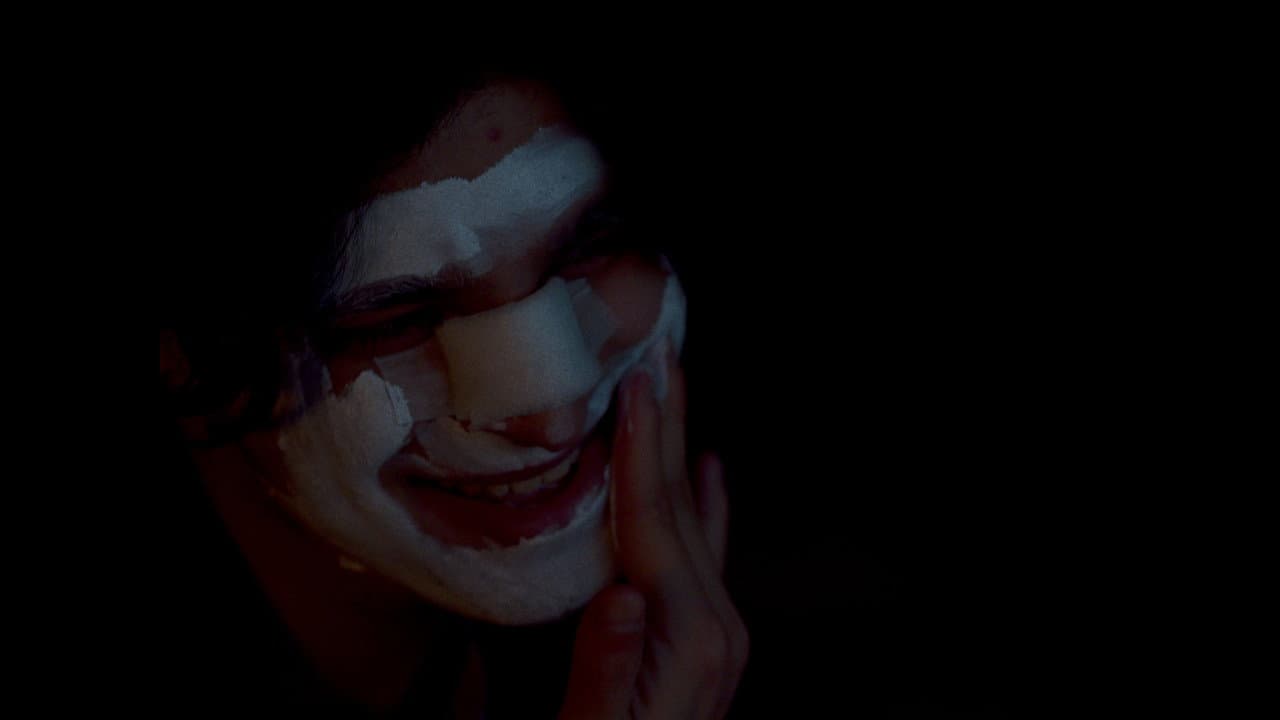
Static Windows is a 2026 thriller-horror film built on one of the most primal fears: the certainty that someone is watching you when you're supposed to be alone. The story opens at 3:13 AM, when a solitary insurance worker notices a pale figure standing motionless outside his window—holding a camcorder, pointed directly at him. Night after night the figure returns. Night after night our protagonist searches for answers. The closer he gets, the less any of it makes sense.
That's the whole engine. And it works because the film refuses to give you what you actually want—a villain with a motive, a reason, something to grab hold of. There's just the watching. Just the filming. Just the slow dissolution of the line between observer and observed.
Why This Premise Gets Under Your Skin (And Why the Ambiguity Matters)
What strikes me about Static Windows is how much it resists the standard stalker-thriller formula. Most home-invasion narratives give you something concrete—jealousy, revenge, obsession. A motive that lets you organize your fear into a shape you can understand. This film doesn't work that way. The watcher outside the window doesn't seem to want anything in the conventional sense. They just film. And that absence of legible purpose is so much worse.
The insurance worker as protagonist is a quietly devastating choice. His entire professional life involves assessing risk from a distance—processing other people's disasters as data points, premium tables, actuarial probability. There's a real irony watching that same detachment collapse when the risk becomes personal and the data point is him. According to early reactions, the performance walks a knife's edge between paranoid unreliability and genuine victimhood—exactly the kind of ambiguity that keeps horror from feeling settled.
The 3:13 AM timestamp is one of those details that lodges in your brain. Not 3:00, not 3:15. Specific enough to feel ritualistic. Arbitrary enough to feel real. Hard to say if that payoff lands in the third act, but as dread-building shorthand it's nearly perfect.
The film's official tagline—"Consumption, Complicity, and a Camcorder"—isn't just marketing. That word "complicity" is doing real work. It suggests the film isn't interested in scaring you from a safe distance. It's interested in implicating you in the act of watching, the act of consuming someone else's image, the moral murk of that transaction. You're not a bystander. You're part of the problem.
How Static Windows Fits Into Recent Surveillance Horror
Surveillance and found-footage horror has been producing some of the most formally interesting work in streaming horror over the past few years. Static Windows slots into that tradition but pushes the philosophical angle harder than most titles in the space.
For comparison: the 2012 indie thriller Static, directed by Todd Levin and starring Milo Ventimiglia, covered adjacent territory—mysterious visitor, rural home, a couple undone by grief. It was competent, atmospheric, but ultimately conventional. More recent entries like Confessions in Static (2025) leaned into dialogue-heavy character studies about online obsession and true-crime fixation—clever, offbeat, less visceral.
Static Windows appears to be threading something between those two registers. The dread of the former. The meta-awareness of the latter. Movie OTT tracks genre releases across platforms throughout the year, and this one lands at an interesting moment—when audiences are increasingly suspicious of surveillance, increasingly aware of being filmed, increasingly uncertain about the ethics of looking.
Where to Watch Static Windows (And What You Should Know Before Starting)
Static Windows is currently available on major OTT platforms—no theatrical release, no theatrical run necessary. The where-to-watch widget at the top of this page has the full platform breakdown, including region-specific availability, so check there first.
Here's the thing about streaming availability: it shifts. Licensing windows open and close. A film on Netflix this month might be gone by next quarter, migrated to a different service, or locked behind a paywall. Movie OTT's streaming tracker updates whenever the distribution picture changes, so if you're reading this months after publication, that widget is your most reliable source for current availability.
Key details you need:
- Release year: 2026
- Genres: Thriller, Horror
- Watch alone. Genuinely. The film's entire premise depends on isolation. Watching it with someone else fundamentally changes what it's doing.
- No MPAA rating or Metascore has been confirmed at publication, which is typical for streaming-first releases that bypass the traditional review aggregation pipeline.
What the 0/10 Rating Means (And Why You Should Ignore It)
The film currently shows a 0/10 rating, which requires context. This isn't a failing grade from critics. It's a data void. No sufficient volume of user votes has accumulated yet—a common situation for 2026 releases that skip traditional theatrical distribution. The rating simply hasn't populated.
Ignore it. It tells you nothing about actual quality. What matters is whether the premise intrigues you and whether you're comfortable with horror that prioritizes atmosphere and ambiguity over neat resolution. If you liked the slow-burn dread of Unfriended, the surveillance paranoia of Searching, or the moral complexity of Cam, this one's worth your time. If you need your horror to resolve clearly—if you need a villain you can hate and a reason you can understand—you'll probably find Static Windows frustrating.
Should You Watch It? The Only Question That Matters
Here's my honest take: Static Windows works because it makes you complicit. You're watching a film about a man being watched. You're consuming his image, his terror, his dissolution. The film knows that. It's built on knowing that. And if that layers on an extra, queasy dimension of discomfort—if it makes you feel like you're not just an audience member but a participant in something morally ambiguous—that's exactly the point.
The tagline says it plainly. Consumption. Complicity. A camcorder. Three things that used to feel separate but don't anymore.
Watch it at 3 AM if you can. Watch it alone. Watch it with your phone face-down. That's not atmospheric advice—it's the film's actual logic. The whole thing only works if you're willing to be watched while you're watching.


