
The Story of Stigmatized Properties: Possession
Stigmatized Properties: Possession follows Yahiro Kuwata (Shota Watanabe), a young man who's traded his hometown of Fukuoka for Tokyo in pursuit of stardom. But the traditional acting route isn't working out. Instead, he stumbles into an unconventional gig: becoming a "Haunted Property Talent"—someone who lives in cursed apartments, eerie inns, and ghost-filled share houses, documenting the experience for television and social media audiences. It's a strange hustle, but it's a path to visibility. The premise is almost comedic on the surface—a struggling actor turning paranormal encounters into content. What starts as a calculated career move, however, evolves into something far more sinister. Yahiro's high spiritual sensitivity and genuinely kind heart make him a magnet for the supernatural forces that inhabit these spaces. As he chases content and the promise of fame, he moves deeper into territories where the hauntings aren't staged, the dangers aren't scripted, and the truth lurking behind these cursed properties becomes impossible to ignore.
Behind the Making of Stigmatized Properties: Possession
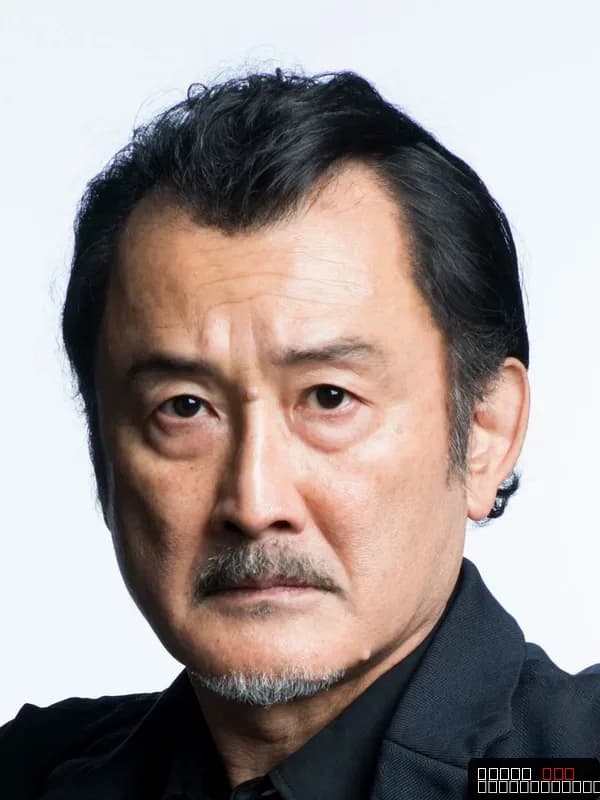
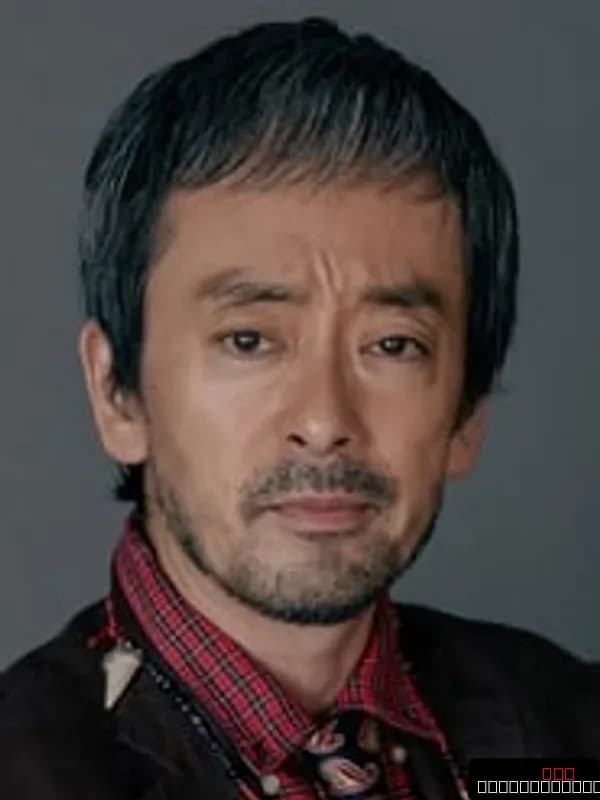
Director Hideo Nakata—the visionary behind the original Japanese Ring films—brings his decades of horror mastery to this 2025 release, which clocks in at 113 minutes of mounting dread and supernatural investigation. Nakata's return to feature filmmaking with Stigmatized Properties: Possession signals a deliberate choice to explore contemporary anxieties through a distinctly Japanese lens. The ensemble cast includes Shota Watanabe anchoring the narrative as Kuwata, with supporting performances from Mei Hata, Kotaro Yoshida, Kenichi Takitoh, Tarō Suwa, Jiro, and Maho Yamada rounding out the haunted world. The film taps into a real cultural phenomenon in Japan: the concept of "stigmatized properties" (jisatsu bukken in Japanese), real estate marked by suicide, murder, or other traumas that are legally required to be disclosed to buyers and renters. It's a genuinely unsettling angle that gives the horror a grounded, almost documentary-like foundation. The production leverages this real-world anxiety to create a world where the supernatural isn't just fantasy—it's woven into the fabric of urban Japanese life, where a cursed apartment next door is as plausible as a convenience store on the corner.
Why Stigmatized Properties: Possession Resonates
What's striking about Stigmatized Properties: Possession is how it weaponizes the modern obsession with content creation against its protagonist. Yahiro isn't a traditional final girl or reluctant hero—he's complicit in his own doom, or at least he is until he can't be anymore. The film doesn't shy away from the tension between ambition and survival. Watanabe's performance carries the weight of that contradiction, playing a character who's sympathetic precisely because he's flawed; he's not a ghost hunter by calling, he's an actor desperate enough to monetize fear. The technical execution is solid—cinematography that knows when to linger in silence, sound design that makes empty rooms feel occupied, and a pacing that doesn't rush the creeping dread. Audience reception has been mixed, with viewers acknowledging the film's competence while noting that it doesn't always maintain momentum. The IMDb rating of 5.3/10 suggests a film that divides viewers—some appreciate Nakata's restraint and atmospheric building, while others find the narrative doesn't quite justify the setup. The thing nobody mentions is how the film functions as a critique of content culture itself; it's not just asking "what if ghosts were real?" but "what if we'd film them anyway?"
How to Watch Stigmatized Properties: Possession Online
Stigmatized Properties: Possession is currently streaming on Prime Video, making it accessible to anyone with an Amazon subscription. If you're hunting for where this title lives across the streaming landscape, the Where to Watch widget at the top of this page will show you real-time availability—because streaming catalogs shift constantly, and Movie OTT tracks those changes so you don't have to. Prime Video's library makes it easy to add this one to your watchlist without a separate subscription, and the 113-minute runtime means you can fit it into an evening without the commitment of a multi-part series. For fans of Japanese horror who've already exhausted the obvious recommendations, this is exactly the kind of title that rewards a weekend discovery.
Frequently asked questions
Q: Who directed Stigmatized Properties: Possession?
Hideo Nakata, the legendary director of the original Ring films, helmed this 2025 horror-thriller. His return to feature filmmaking brings decades of experience in building supernatural dread to this exploration of haunted properties and paranormal investigation.
Q: Is Stigmatized Properties: Possession a sequel?
No, it's not a direct sequel to any previous film, though audience reviews note it raises questions about ambition and consequence in ways that suggest thematic continuity with horror narratives about overreach and greed.
Q: What is a "stigmatized property" in the context of this film?
In Japan, stigmatized properties are real estate marked by suicide, murder, or other traumatic events. Sellers and landlords are legally required to disclose this history. The film uses this real cultural phenomenon as its foundation for supernatural horror.
Q: Where can I watch Stigmatized Properties: Possession?
The film is currently available on Prime Video. Check the Where to Watch widget on this page for the most up-to-date streaming availability across all platforms.
Q: What's the runtime of Stigmatized Properties: Possession?
The film runs 113 minutes, making it a standard feature length that won't require an all-nighter to complete.
Final Thoughts on Stigmatized Properties: Possession
Stigmatized Properties: Possession won't be for everyone—it's a slow-burn horror film that trusts atmosphere over jump scares, and it's willing to sit with discomfort rather than resolve it neatly. If you're drawn to Japanese horror, if you're curious about how Nakata's sensibilities have evolved, or if you're interested in films that use real cultural anxieties as their backbone, this one's worth your time. It's competent, thematically rich, and genuinely unsettling in ways that linger after the credits roll. The ambition-versus-consequence angle gives it weight beyond the surface scares.