The story of Strange Days
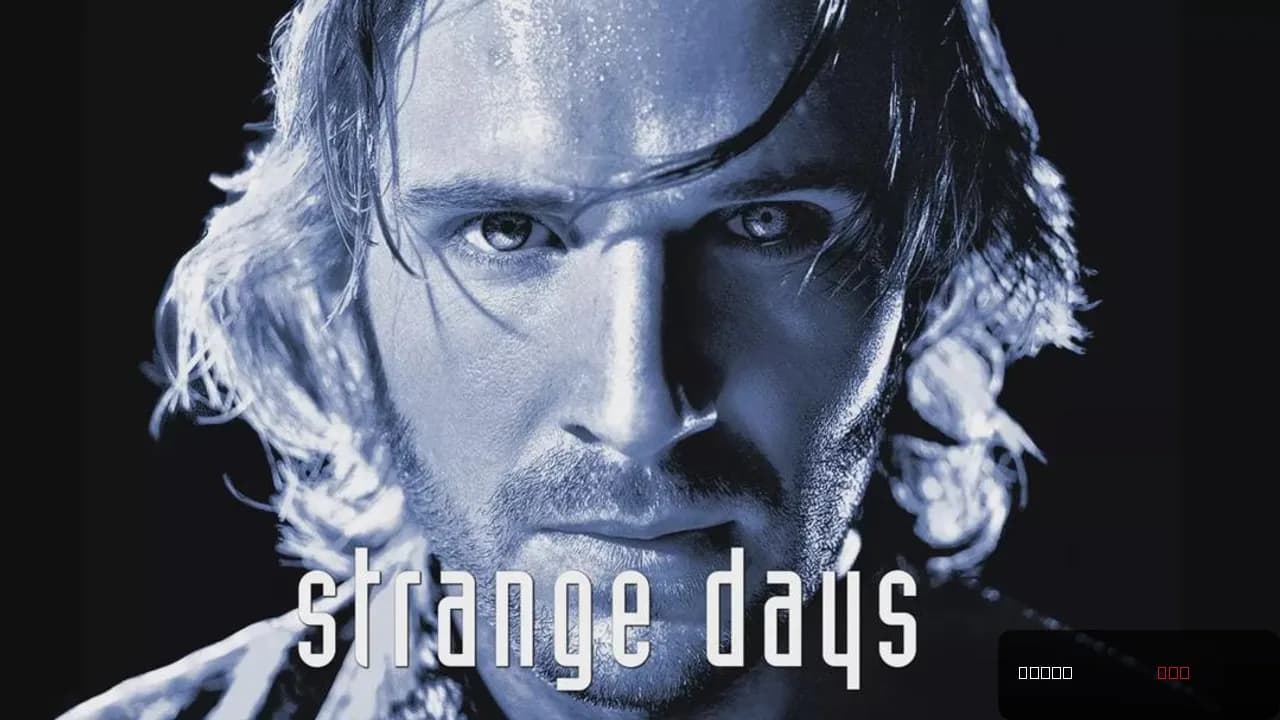
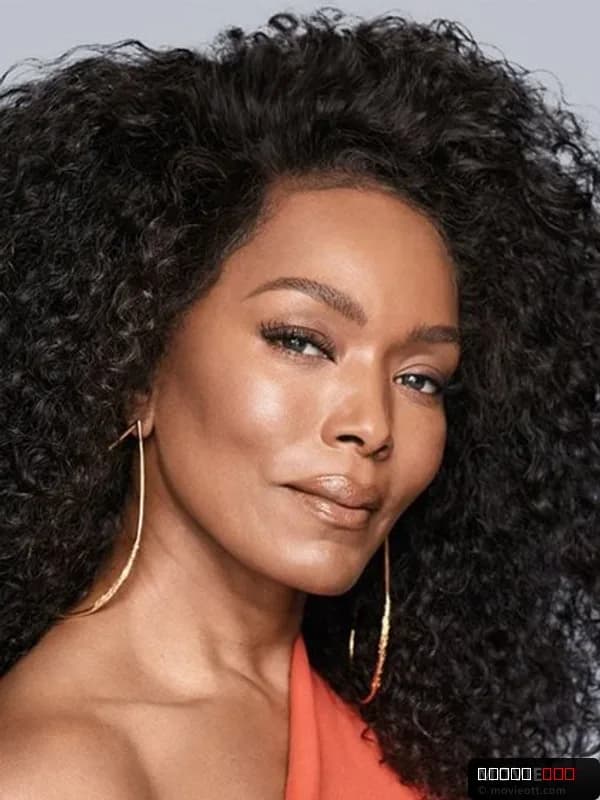
Set in Los Angeles during the final 48 hours of 1999, Strange Days follows Lenny Nero, a washed-up ex-cop turned black marketeer peddling an illegal technology that lets users experience other people's recorded memories and sensations. It's a seductive business in a city spiraling toward millennial chaos—a place where people would rather live someone else's life than face their own. When Lenny receives a mysterious clip showing a murder that could implicate the city's most powerful players, he finds himself hunted by corporate interests, corrupt police, and a conspiracy that reaches into the highest corridors of power. Alongside Mace Mason, a tough-as-nails bodyguard and limousine driver played by Angela Bassett, Lenny must navigate a moral minefield where trust is currency and memory itself becomes a weapon.
Behind the making of Strange Days
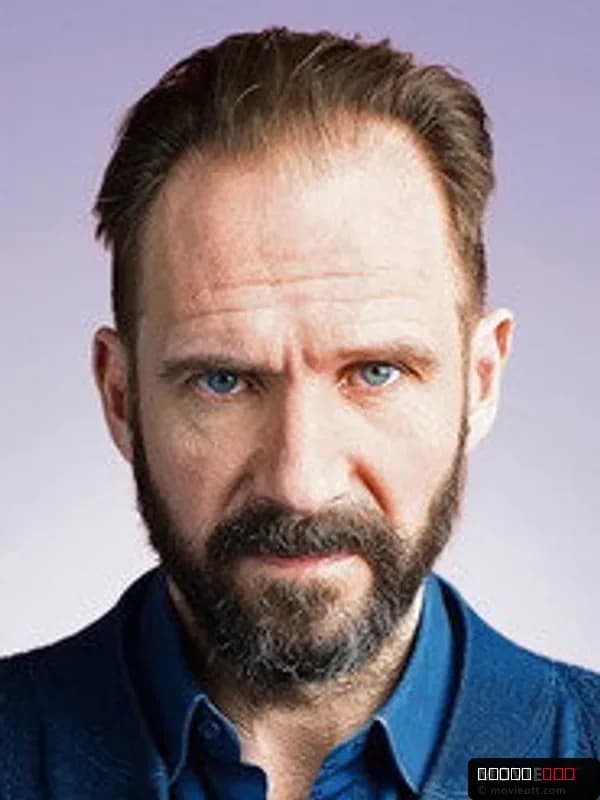
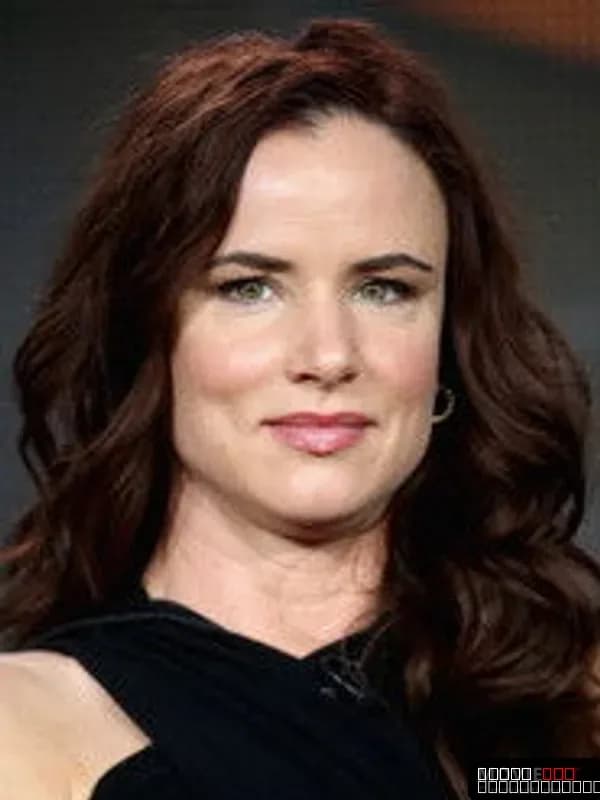
Strange Days emerged from a collaboration between James Cameron (who wrote the screenplay with Jay Cocks) and director Kathryn Bigelow, a filmmaker who'd already proven herself a master of high-stakes action with Blue Steel and Point Break. The film arrived in 1995 with an R rating and a 144-minute runtime—an ambitious, uncompromising vision that refused to be cut down for commercial appeal. Despite its critical pedigree and thematic ambition, the film underperformed at the box office, earning just under $8 million domestically against a substantial budget. That financial disappointment has overshadowed what remains one of the decade's most prescient science fiction works. The cast assembled around Fiennes included Juliette Lewis as his ex-girlfriend Faith, Tom Sizemore and Michael Wincott as morally compromised cops, and Vincent D'Onofrio as a violent extremist. Critics took notice—the film earned a 71% Fresh rating on Rotten Tomatoes and a Metascore of 66, with recognition that included two wins and four nominations across various award ceremonies. Movie OTT tracks where titles like this one have found new life through streaming platforms, where cult audiences continue discovering overlooked '90s gems.
What makes Strange Days stand out as prescient sci-fi
Honestly, what's most striking about Strange Days now—nearly three decades later—is how it anticipated anxieties we'd only begin grappling with in earnest years after its release. The film isn't really about the technology itself; it's about power, consent, and what happens when intimate human experience becomes a commodity that can be stolen, sold, and weaponized. Bigelow's direction is taut and visceral, refusing to look away from the violence inherent in the system Lenny has profited from. The performances anchor everything—Fiennes brings a desperate, morally compromised energy to Lenny, a man who's rationalized his own complicity so thoroughly he doesn't see himself as a villain. Bassett, though, is the film's moral center, delivering a performance that's both protective and furious, someone who sees through Lenny's self-deception without losing sight of his humanity. What's striking is how the film uses the New Year's Eve setting not as celebratory backdrop but as countdown to reckoning—society doesn't need external collapse when it's already eating itself from within through exploitation, police brutality, and the casual violation of the vulnerable. There's a scene where we experience a traumatic assault through the "clip" technology itself, and Bigelow doesn't flinch from the moral horror of entertainment built on victimization. That unflinching approach cost the film at the box office, but it's precisely why it endures.
Where to stream Strange Days online
If you're looking to watch Strange Days, you can currently find it on Hulu and Molotov TV—check the Where to Watch widget at the top of this page for the most up-to-date availability in your region. Streaming rights shift frequently, so Movie OTT keeps tabs on where older films like this one migrate across platforms. The film's 144-minute runtime means you'll want to carve out a solid evening, but the investment pays off for anyone interested in '90s sci-fi that still feels urgent and relevant.
Frequently asked questions
Q: Who directed Strange Days?
Kathryn Bigelow directed Strange Days, bringing her signature high-intensity style to this dystopian thriller. The screenplay was written by James Cameron and Jay Cocks based on Cameron's story.
Q: What year was Strange Days released?
Strange Days premiered in 1995 and was set during the final days of 1999, making it a millennial-anxiety film that arrived before most people were anxious about the millennium.
Q: Is Strange Days based on a true story?
No, Strange Days is an original science fiction story created by James Cameron. While it explores themes rooted in real concerns about technology and power, the plot and characters are fictional.
Q: How long is Strange Days?
The film runs 144 minutes, giving Bigelow plenty of time to develop her conspiracy plot and explore the moral dimensions of her premise without rushing.
Q: Why did Strange Days flop at the box office?
Despite critical respect, Strange Days earned only about $8 million domestically, likely because its bleak millennial pessimism and graphic violence didn't align with mainstream '90s audience expectations. The film's refusal to offer easy answers probably worked against its commercial appeal.
Final thoughts on Strange Days
Strange Days deserves a second look from anyone interested in how science fiction can tackle power, surveillance, and exploitation without becoming preachy. It's a film that trusts its audience to sit with discomfort, to recognize complicity in systems we benefit from, and to understand that good intentions don't erase harm. Bigelow's direction, Bassett's performance, and the film's thematic clarity make it essential viewing for anyone who wants to understand where contemporary anxieties about technology and consent were already being articulated in the '90s. Don't let the box office numbers fool you.