








The story of Strange Impersonation
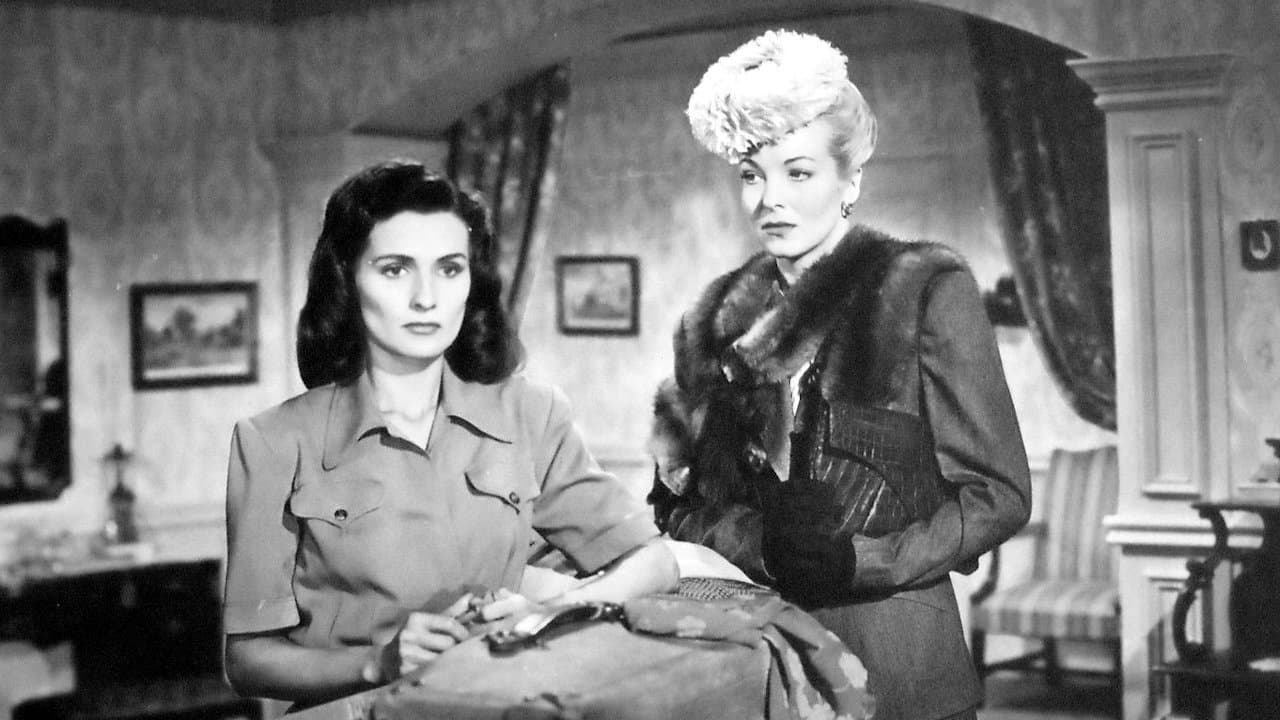
Strange Impersonation opens on a woman at the top of her field—a research scientist deep in the work of developing a new anesthetic that could change medicine. She's competent, driven, and on the verge of something big. Then, in the span of a week, everything falls apart. Her assistant—someone she trusted—deliberately throws acid in her face, scarring her badly. Her almost-fiancée seems to vanish without explanation. And then she's blackmailed by a woman she accidentally hit with her car. The film doesn't waste time with exposition; it throws you into chaos and dares you to keep up. What unfolds is a tense, noir-adjacent revenge narrative that asks what a desperate person will do when society decides her face—and her worth—have changed forever.
Behind the making of Strange Impersonation
Strange Impersonation was produced by W. Lee Wilder Productions in 1946, a period when B-movies and lower-budget thrillers were the lifeblood of American cinema. Wilder was known for scrappy, inventive filmmaking on tight schedules and tighter budgets, and Strange Impersonation bears all the hallmarks of that era's resourcefulness. At just 68 minutes, the film moves with the efficiency of a studio system that didn't believe in wasted footage. The cast, while not household names today, brought solid character-actor credibility to their roles—the kind of working performers who could carry a pulpy premise with genuine conviction. Though the film didn't set box office records and didn't garner major award recognition, it found its audience as part of the double-feature circuit that dominated American movie theaters in the 1940s. Today, it sits at a respectable 6.071 on IMDb, a score that reflects its cult standing among classic film enthusiasts and noir aficionados who appreciate what it was trying to do within its constraints.
What makes Strange Impersonation stand out
What's striking about Strange Impersonation is how seriously it takes its premise. The film doesn't treat the protagonist's scarring as a plot device to be quickly resolved—it's the wound that drives everything that follows, both literally and psychologically. The pacing is relentless; you're never quite sure where the next betrayal is coming from, and the blackmail subplot adds a layer of desperation that keeps the tension wound tight. There's something almost proto-feminist about the setup, too (though the film was made in 1946, so don't expect modern sensibilities). Here's a woman who's defined by her intellect and her work, and the moment her appearance changes, the world treats her differently. The film doesn't explicitly preach about this—it just shows it, letting the unfairness breathe. The performances anchor everything; the lead carries the film's emotional weight without ever becoming maudlin, and the supporting cast members feel like real people caught in real circumstances rather than cardboard villains. It's the kind of tight, efficient thriller that makes you wish more modern filmmakers understood that you don't need 150 minutes to tell a gripping story.
Where to stream Strange Impersonation online
Strange Impersonation is currently available on major OTT services—check the Where to Watch widget at the top of this page to see which platforms are streaming it in your region right now. Availability shifts between services, so Movie OTT tracks current listings across Netflix, Prime Video, and other major platforms to save you the hunting. If you're a classic film enthusiast or a devoted noir fan, it's worth adding to your queue whenever it pops up. The 68-minute runtime makes it perfect for a weeknight watch, and the 1940s production values give it that authentic period texture that you can't fake with modern cinematography.
Frequently asked questions
Q: Who directed Strange Impersonation?
Strange Impersonation was directed by W. Lee Wilder, a prolific B-movie director of the 1940s and 1950s known for his efficient, no-frills approach to genre filmmaking. Wilder specialized in thrillers and crime dramas that prioritized plot momentum over elaborate production design.
Q: Is Strange Impersonation based on a true story?
No, Strange Impersonation is an original screenplay written specifically for the screen. It's a fictional thriller that explores themes of betrayal, identity, and revenge rather than drawing from real events.
Q: What's the runtime and why is it so short?
Strange Impersonation runs just 68 minutes, which was typical for B-movies of the 1940s era. The brevity doesn't hurt the film—if anything, it forces the narrative to stay lean and focused, with no filler between plot points.
Q: Where can I watch Strange Impersonation right now?
Strange Impersonation is available on multiple streaming platforms. Check the Where to Watch widget at the top of this page to see which services currently have it in your region, as availability varies by location and changes frequently.
Q: What's the IMDb rating for Strange Impersonation?
The film holds a 6.071/10 rating on IMDb, reflecting its status as a solid B-movie thriller with a dedicated cult following among classic film and noir enthusiasts, even if it hasn't achieved mainstream recognition.
Final thoughts on Strange Impersonation
Strange Impersonation isn't going to blow your mind or change your life, but it's a damn good way to spend an hour. It's the kind of film that reminds you why people fell in love with cinema in the first place—tight plotting, real stakes, and characters you actually care about. The 1946 tagline—"Hell hath no fury as a woman scalded by acid"—is pulpy, sure, but it also captures something true about the film's willingness to take its protagonist's rage seriously. If you're hunting for classic thrillers that don't require a three-hour commitment, or if you want to understand what B-movies at their best could accomplish, this one's worth your time.