



The Story of Stray Dog
When detective Murakami's pistol is stolen, his professional world collapses. The gun surfaces at a murder scene, and suddenly he's not just embarrassed—he's complicit in a crime he didn't commit. Working alongside his superior, Chief Detective Sato, Murakami launches a desperate investigation to trace the weapon through Tokyo's shadowy streets. The hunt leads him into contact with a gang of youthful Okinawans, forcing him to confront not just criminals, but the moral ambiguity of postwar Japan itself. It's a film about shame, redemption, and the thin line between hunter and hunted.
Behind the Making of Stray Dog
Akira Kurosawa made Stray Dog in 1949, his second film that year, produced by the Film Art Association and distributed by Shintoho. This was the director at a fascinating crossroads—fresh off the international success of Rashomon (which wouldn't premiere for another two years), working within the constraints of postwar Japanese cinema yet somehow still pushing its boundaries. Kurosawa cast Toshiro Mifune in the lead role of Murakami, a choice that would define Mifune's career trajectory and cement their legendary partnership. Takashi Shimura, who'd work with Kurosawa repeatedly, anchored the film as Sato, bringing gravitas and paternal warmth to a role that could've been one-dimensional. The 104-minute runtime gives Kurosawa space to breathe—to linger on Tokyo's streets, to develop the relationship between his two leads, to show us the texture of a nation rebuilding itself. The film's production values, modest by today's standards, feel authentic rather than cheap. Kurosawa shot on location across postwar Tokyo, capturing the city's scars and its tentative recovery. What's striking is how the film's visual language—the shadows, the crowded frames, the way characters are often trapped or isolated even in busy spaces—mirrors the psychological state of a nation trying to move forward.
What Makes Stray Dog Stand Out
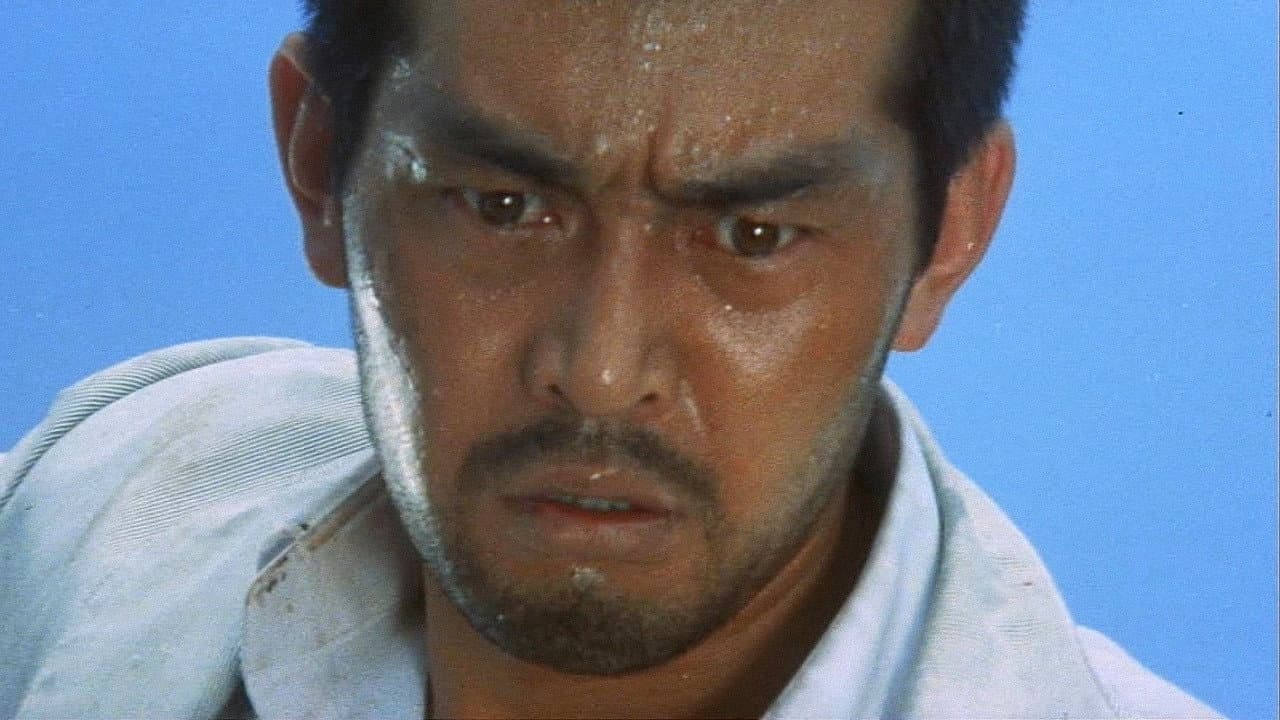
Honestly, what separates Stray Dog from countless other crime procedurals is the emotional core. Yes, it's a detective story—but it's also a film about generational conflict, about how circumstances shape choices, about whether a young criminal and a middle-aged cop are really so different after all. Mifune's performance captures something that feels almost modern: a man unraveling, his pride wounded, his competence questioned. The scenes where he walks the streets, following leads, interviewing suspects, have a documentary-like quality. Shimura, by contrast, embodies quiet authority—he's not a mentor figure barking orders, but a colleague who understands his partner's shame because he's lived through similar humiliations. Their dynamic prefigures the buddy-cop formula by decades, but it doesn't feel like formula here; it feels earned. The film's real achievement, though, is how it uses the stolen pistol as a metaphor. A gun lost in the city becomes a symbol of lost control, lost identity, lost certainty. Every person who touches it—the thief, the gang members, the detective—is changed by it. The pacing can feel slow to modern viewers accustomed to quick cuts and exposition dumps, but that slowness is intentional. Kurosawa wants you to feel the detective's frustration, the weight of each dead end. There's a famous scene early on where Murakami visits a pachinko parlor; it's not essential to the plot, but it tells you everything about how the city works, who preys on whom, and why a young man might turn to crime. That kind of patient world-building—showing rather than telling—is what elevates the film beyond its premise.
Where to Stream Stray Dog Online
Stray Dog is available on major OTT services, and Movie OTT tracks its current streaming availability across platforms in real time. Because licensing agreements shift, it's worth checking the Where to Watch widget at the top of this page to confirm which service has it in your region right now. Kurosawa's work has become increasingly accessible over the past decade, with restored prints and digital releases making these films easier to find than they were even five years ago. If you're a subscriber to any of the major streaming platforms, there's a solid chance Stray Dog is already available to you—it's one of those films that cycles through catalogs regularly.
Frequently asked questions
Q: Who directed Stray Dog?
Akira Kurosawa directed and co-wrote Stray Dog in 1949. It was his second film of that year and marked an early collaboration with Toshiro Mifune, establishing a partnership that would define both their careers.
Q: Is Stray Dog based on a true story?
No, Stray Dog is an original screenplay by Kurosawa and co-writer Ryuzo Kikushima. While it captures the mood and texture of postwar Japan, the story of the stolen pistol is fictional, though it reflects real anxieties of the era.
Q: What's the runtime of Stray Dog?
The film runs 104 minutes, giving Kurosawa ample time to develop his characters and explore postwar Tokyo's streets and criminal underworld in deliberate, immersive detail.
Q: How is Stray Dog rated on IMDb?
Stray Dog holds a 7.857/10 rating on IMDb, reflecting its status as a respected classic that continues to attract viewers interested in noir cinema and Kurosawa's early work.
Q: What genres is Stray Dog?
Stray Dog is classified as crime, thriller, and drama. It's also recognized as a precursor to the modern police procedural and buddy-cop film genres, blending detective work with character study and social commentary.
Final Thoughts on Stray Dog
Stray Dog doesn't announce itself as important—it just quietly is. It's a crime film that's really about shame and redemption. It's a buddy-cop story before the formula existed. It's a portrait of a nation at a crossroads, told through the story of two men hunting a gun through the streets of Tokyo. If you haven't seen it, and you're interested in where modern cinema came from, this is essential viewing. Movie OTT makes it simple to find—check the widget, start streaming, and prepare to spend 104 minutes in the company of one of cinema's greatest directors.