








The story of Streamline
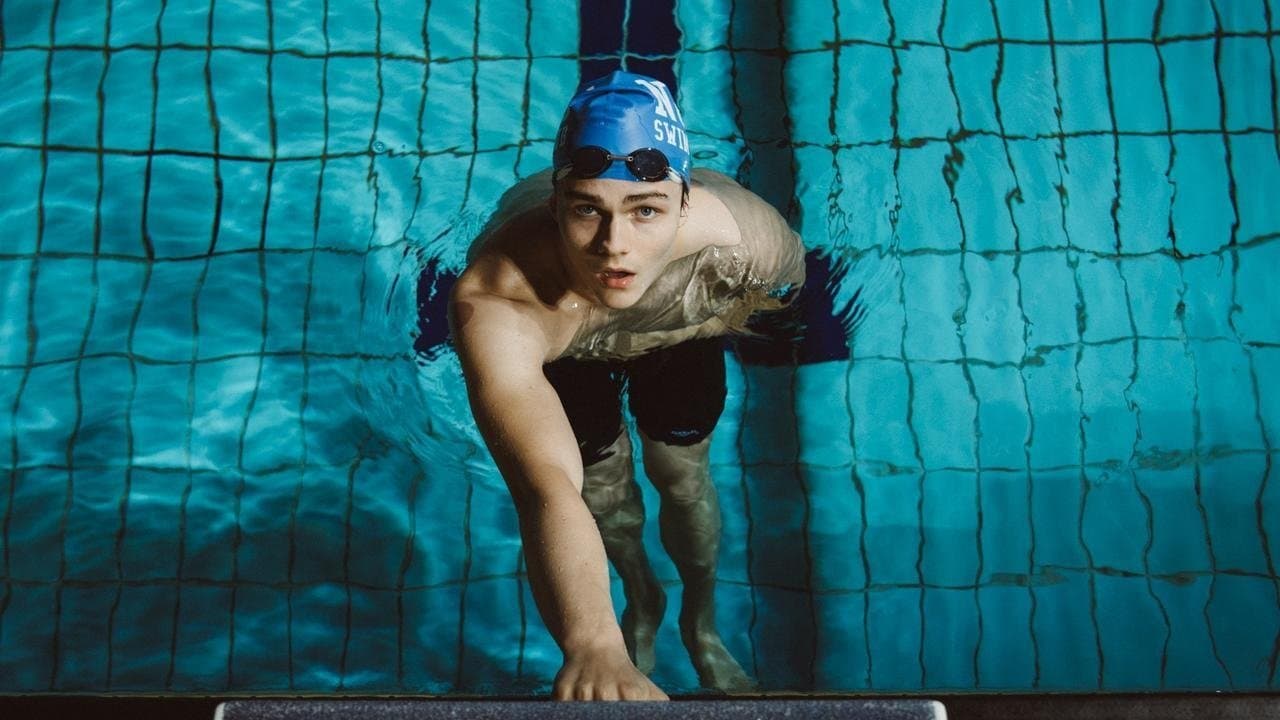
Streamline tells the story of a 15-year-old swimmer whose life appears perfect from the outside — medal potential, world-class coaching, a future mapped out in lap times and podium finishes. But inside the pool, his existence is one of rigorous perfectionism, and outside of it, his world is lonely and hollow. When his father is released from prison, the careful architecture of his life begins to crack. What starts as a narrative about athletic excellence becomes something far more unsettling: a portrait of a teenager self-destructing under the weight of expectations he can no longer bear. The film doesn't dramatize swimming as triumph. Instead, it uses the sport as a metaphor for control, discipline, and the ways that structure can become a cage.
Behind the making of Streamline
Streamline marks the directorial debut of Tyson Wade Johnston, who also wrote the screenplay. The film was produced by Bronte Pictures, Screen Queensland, Screen Australia, Pantalon Pictures, and Rebellion Studios — a coalition of Australian production companies that gave the project genuine local backing. The movie premiered at the Melbourne International Film Festival on August 19, 2021, and rolled out to Australian cinemas on September 2, 2021, through Umbrella Entertainment. While it didn't become a mainstream box office phenomenon, the film found its audience among critics and film festival programmers who recognized something authentic in its refusal to sentimentalize either sports or family trauma. The 86-minute runtime is deliberately lean — Johnston doesn't pad the story with subplots or redemptive arcs that would soften the edges. What you get is economical and focused, the way a competitive swimmer's training regimen is economical and focused. The cast, while not headlined by household names, brings a specificity to their roles that suggests careful casting rather than star power.
What makes Streamline stand out
Streamline currently holds a 75% Fresh rating on Rotten Tomatoes, which tells you something important: critics saw merit in what Johnston was attempting, even if the film isn't universally beloved. The IMDb score of 5.8/10 from 591 voters suggests a more divided audience response — some viewers found the film's bleakness alienating, while others recognized it as honest. What's striking is that Johnston doesn't offer easy answers or redemptive character arcs. The protagonist doesn't have a breakthrough. He doesn't reconcile with his father in a climactic scene. Instead, the film sits with the discomfort of watching a talented young person spiral, unable to articulate what's breaking him down. I keep coming back to how rare that is in sports cinema. Most films in this genre — think Rocky or Whiplash — build toward some form of catharsis, some moment where suffering converts into achievement or wisdom. Streamline refuses that bargain. The performances ground the story in a kind of documentary realism that makes the isolation feel lived-in rather than performed. The pool sequences have a technical precision that mirrors the protagonist's need for control, while scenes outside the water are deliberately awkward, poorly lit, claustrophobic — a visual language that tells you everything you need to know about where this teenager actually feels safe, and how little safety that actually provides.
How to stream Streamline online
Streamline is currently available on major OTT services, and you can check the "Where to Watch" widget at the top of this page to see which platforms are carrying it in your region right now. Streaming availability shifts frequently, so Movie OTT keeps that information updated across all the major services. If you're tracking down Australian cinema or sports dramas specifically, it's worth noting that this film has strong roots in the Australian production ecosystem — Screen Australia's involvement means it's often featured prominently on platforms that emphasize local content. The film's relatively compact runtime makes it easy to fit into an evening, though you'll want to be in the right headspace for something that doesn't offer easy catharsis.
Frequently asked questions
Q: Who directed Streamline?
Tyson Wade Johnston wrote and directed the film — it's his feature directorial debut. He brings a documentary-like precision to the material, refusing to soften the story's harder edges.
Q: Is Streamline based on a true story?
No, it's an original screenplay by Johnston. That said, the specificity of the swimming world and the emotional accuracy of the family dynamics suggest deep research and lived observation.
Q: What's the runtime of Streamline?
The film runs 86 minutes, which is deliberately economical — Johnston doesn't waste time on subplot padding.
Q: Where was Streamline filmed?
It's an Australian production backed by Screen Queensland and Screen Australia, so it was made within the Australian film ecosystem, though specific shooting locations aren't widely publicized.
Q: Does Streamline have a happy ending?
Not in the conventional sense. The film doesn't offer redemptive closure or a climactic breakthrough. It's more interested in the honest mess of what happens when a young person's carefully constructed life falls apart.
Final thoughts on Streamline
Streamline isn't a film for everyone, and that's kind of the point. It's a debut that announces Johnston as a filmmaker uninterested in manipulation or easy sentiment. If you're looking for a sports movie that actually interrogates the cost of excellence rather than celebrating it, or if you want to watch a young actor grapple with something genuinely difficult, this is worth your time. The film trusts its audience to sit with discomfort. That trust — rare in contemporary cinema — is what makes it worth seeking out.