






Exploring the World of Street Corner: Women on the Beat
Step back into 1953 with Street Corner, a compelling British film that shines a light on the pioneering work of women in the police force. This drama, clocking in at 94 minutes, plunges viewers into the daily grind and intricate routines of women police officers, presenting their experiences through three distinct, interwoven storylines. It’s less a straightforward narrative and more a mosaic, built around the everyday challenges and responsibilities these women faced. The film carries the official tagline, "Torn from the records of the women who fight crime," immediately signaling its intent to ground its fictionalized accounts in a sense of gritty realism. While categorized as a Thriller, Drama, and Crime film, its true essence lies in its quasi-documentary approach, aiming to reveal the human side of law enforcement from a distinctly female perspective during a period when their roles were often marginalized or misunderstood. It’s a genuine curiosity, this film.
Behind the Scenes of Street Corner: Muriel Box's Vision
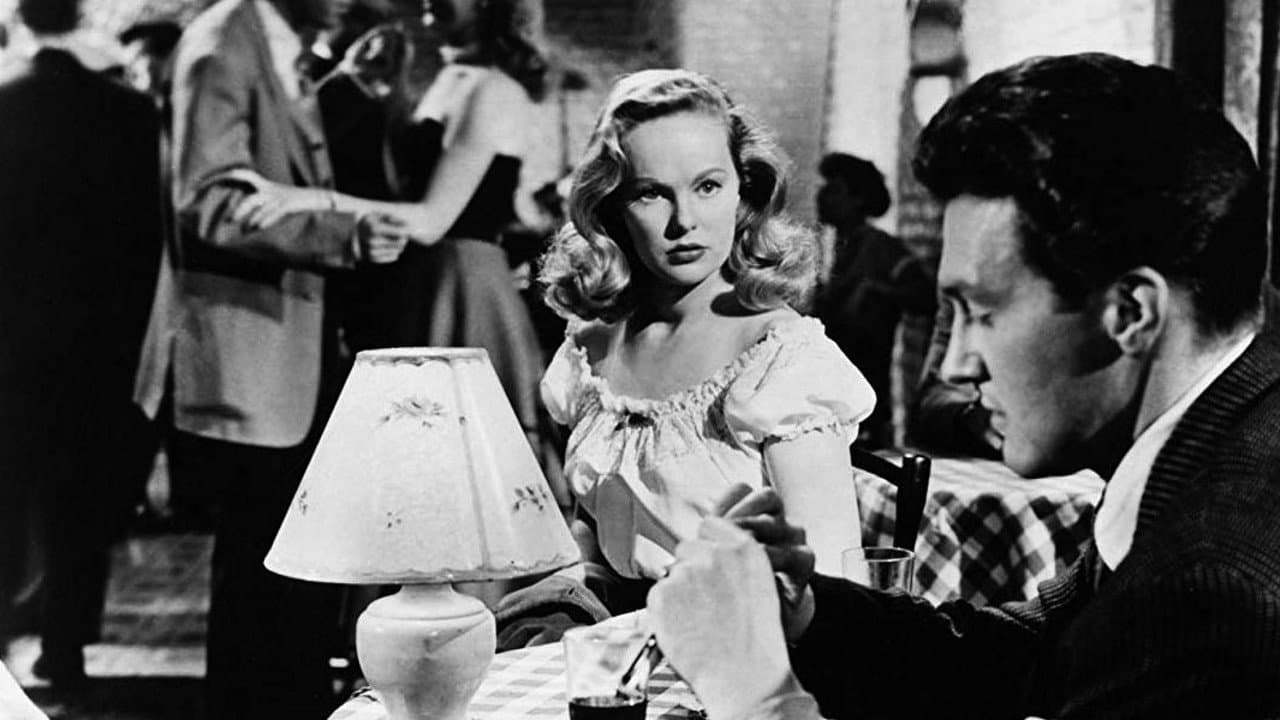
Street Corner came to life under the keen direction of Muriel Box, a trailblazing filmmaker who also co-wrote the screenplay with Sydney Box. Their collaborative effort resulted in a film that, for its era, was remarkably progressive in its subject matter. Muriel Box, known for her nuanced approach to social issues, assembled a talented cast featuring Peggy Cummins, Terence Morgan, Anne Crawford, Rosamund John, and Barbara Murray, each contributing to the film's ensemble feel. The project was notably conceived as a female counterpart to the successful 1950 British film The Blue Lamp, which focused on male police officers. This context is vital, as it highlights a conscious decision to give women police officers their own cinematic platform, acknowledging their crucial but often invisible contributions to public safety. While Street Corner wasn't a major awards contender or a box office behemoth—frankly, films like this rarely were—its significance lies in its thematic ambition. It wasn't about flashy action; it was about representation. Here at Movie OTT, we appreciate films that push boundaries, even subtly, and Street Corner certainly fits that bill by turning its lens on an underserved demographic in storytelling.
The Enduring Appeal and Themes of Street Corner
Despite its IMDb rating of 5.538/10, Street Corner holds a particular charm and historical value that transcends mere critical scores. Honestly, what's most intriguing about the film isn't its dramatic tension (though it has its moments), but its commitment to portraying the mundane yet essential work of women police officers. We see them tackling everything from minor domestic disputes to more serious criminal investigations, often having to navigate societal prejudices and the inherent challenges of their profession. The film's pseudo-documentary style lends an authenticity that was quite innovative for 1953, allowing viewers a peek behind the curtain of an institution often depicted solely through a male lens. It's a testament to Muriel Box's vision that she managed to infuse these seemingly ordinary routines with a quiet dignity and a sense of purpose. The performances, while perhaps not showy, are earnest, conveying the stoicism and empathy required for such a demanding job. For those interested in the evolution of women's roles in society and cinema, Street Corner offers a valuable, if understated, historical document. Movie OTT tracks countless films that, like this one, might not be blockbusters but offer a rich cultural experience.
Where to Stream Street Corner Today
For those eager to discover this intriguing piece of British cinema history, Street Corner is currently available on major OTT services. Checking its availability is straightforward: simply refer to the "Where to Watch" widget at the top of this page, which provides real-time streaming options. Our team at Movie OTT works tirelessly to ensure that you have the most up-to-date information on where to find films like Street Corner across various platforms. Whether you prefer subscription services or rental options, you'll find all the details there. It's never been easier to unearth classic films and explore diverse cinematic landscapes from the comfort of your home. A simple click, and you're good to go.
Frequently asked questions
Q: What is the runtime of Street Corner?
The 1953 film Street Corner has a runtime of 94 minutes, offering a concise yet comprehensive look at its subject matter.
Q: Who directed the 1953 film Street Corner?
Street Corner was directed by the acclaimed British filmmaker Muriel Box, who also co-wrote the screenplay.
Q: What genre is Street Corner?
Street Corner is classified under the genres of Thriller, Drama, and Crime, reflecting its blend of suspense, character focus, and police procedural elements.
Q: What is the plot of Street Corner?
The plot of Street Corner is a pseudo-documentary that focuses on the daily work and routine of women police officers, built around three distinct storylines that showcase their varied experiences.
Q: Is Street Corner based on a true story?
While Street Corner is a fictional drama, its official tagline, "Torn from the records of the women who fight crime," suggests it draws inspiration from the real-life experiences and challenges faced by women police officers of the era.
Final Thoughts on Street Corner: A Glimpse into the Past
Street Corner might not be a film that immediately jumps to mind for many viewers, but it's a significant one for its historical context and unique perspective. It provides a rare window into the lives of women police officers in post-war Britain, offering a glimpse into their professional and personal struggles. For cinephiles, historians, or anyone with an interest in early feminist themes in cinema, this film is absolutely worth seeking out. It’s a quiet film, yes, but its impact lingers. Movie OTT recommends giving this often-overlooked gem a chance; you might just discover a new appreciation for the unsung heroes, both on and off the screen.