






The story of Streets and its unflinching look at survival
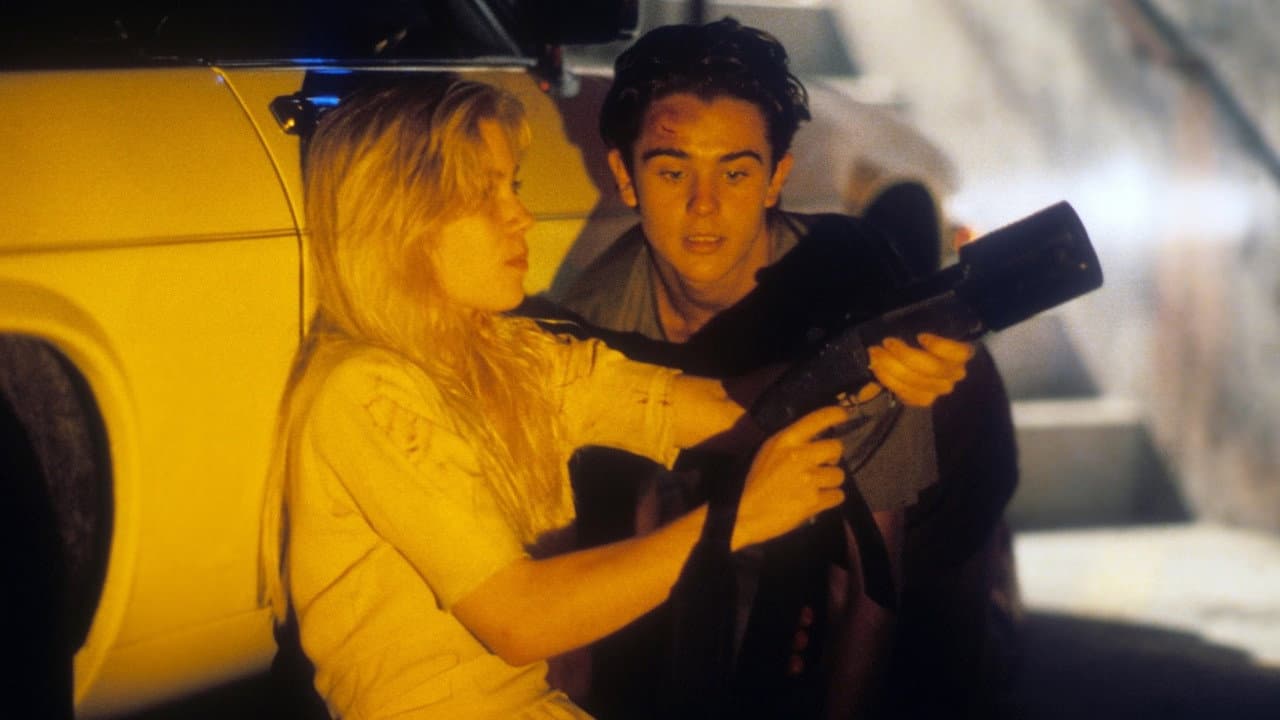
Streets tells the story of two unlikely companions on the run. A sixteen-year-old prostitute and a runaway from money collide when she picks the wrong customer—a motorcycle patrolman with murder on his mind. What follows isn't a conventional hero's journey. It's messier, grittier, and far more interested in how people actually survive at the edges of society than in neat narrative arcs. The film doesn't soften its premise: both protagonists are already broken in different ways before the chase even begins, and the patrolman's pursuit only accelerates their unraveling.
The tagline says it all—"A 16 Year Old Hooker Who Just Picked The Wrong Customer"—and that bluntness is exactly what the film delivers. There's no moralizing here, no redemption arc wrapped in a bow. Just two kids running for their lives from someone whose badge gives him the power to hunt them with impunity. It's the kind of premise that wouldn't survive a modern studio pitch meeting, which makes Streets feel like a relic from an era when exploitation cinema and genuine social commentary could occupy the same frame.
Behind the making of Streets and its production legacy
Streets emerged in 1990 from Concorde Pictures, Roger Corman's legendary B-movie production house that thrived on lean budgets and quick turnarounds. The film clocks in at 85 minutes—tight enough to maintain momentum, short enough to suggest this wasn't a project with unlimited resources or studio backing. That constraint actually works in the film's favor. There's an energy to low-budget action cinema that bloated studio productions rarely capture, and Concorde's house style favored narrative economy over everything else.
The production itself remains relatively undocumented in mainstream film histories, which tells you something about how the industry treated genre fare from independent producers in that era. Box office figures for Streets aren't readily available in major databases, and the film never attracted the kind of awards attention that might've elevated its profile. What we do know is that it was made, released, and largely forgotten by mainstream cinema—the fate of most direct-to-video action titles from that period. On IMDb, it sits at 5.389/10, which reflects its modest reputation among genre enthusiasts but also suggests it's found some defenders willing to engage with its rawer sensibilities.
Corman's Concorde Pictures was never about prestige. It was about survival, about making movies fast and cheap and getting them onto shelves before the next title was ready. In that context, Streets represents exactly what the company did best: a functional action-thriller with enough edge to distinguish it from mainstream releases.
What makes Streets stand out in 1990s action cinema
Here's what's striking about Streets: it doesn't try to make its characters sympathetic through conventional means. The teenage protagonist isn't portrayed as an innocent victim—she's a sex worker with agency, however limited, and that distinction matters. Too many films from this era would've softened her backstory or suggested she'd been trafficked into the situation. Streets doesn't do that. She's made choices, terrible ones, but they're hers. That refusal to infantilize a young female character, even while showing the brutal consequences of her circumstances, sets the film apart from its contemporaries.
The patrolman as antagonist is equally interesting. He's not a supernatural killer or a crime boss with resources. He's a state authority figure abusing his position—which, honestly, makes him scarier than any cartoonish villain. He has a uniform. He has a radio. He has the machinery of law enforcement at his back. The film understands something that's become more relevant with time: that the people with badges can be more dangerous than anyone outside the system.
What I keep coming back to is the film's refusal to resolve its tension through conventional action beats. It's not Die Hard. It's not even trying to be. The 85-minute runtime means there's no room for elaborate set pieces or drawn-out cat-and-mouse games. Instead, it's a constant, grinding pressure—two desperate people running, a predator in pursuit, and the knowledge that the law isn't going to help them. That tonal consistency, that unwillingness to cut away or offer false relief, is what gives Streets its particular power.
The performances anchor everything. Without credible work from the leads, this entire premise collapses into exploitation. The film walks that line carefully, treating its characters with enough respect that we understand their predicament without needing to judge them for it.
Where to stream Streets online across major platforms
Streets is currently available on major OTT services, making it more accessible than it's been in years. The film's journey to streaming reflects a broader shift in how cinema—especially genre cinema and B-movies—gets rediscovered and reevaluated. Where once a film like this might've been lost to VHS decay and out-of-print DVD releases, streaming platforms now preserve these titles as part of their back catalogs.
You can check the Where to Watch widget at the top of this page to see exactly which services have Streets in your region right now. Availability shifts regularly, so that widget's your most reliable source. Movie OTT tracks these changes across platforms, so if you're planning to watch, that's where to confirm before you start.
Frequently asked questions
Q: Is Streets based on a true story?
No, Streets is a fictional work, though its themes—police corruption, sex trafficking, survival among society's margins—draw from real social issues. The specificity of the narrative is the screenwriter's invention.
Q: Who directed Streets?
The film comes from Concorde Pictures, Roger Corman's production company known for low-budget action and exploitation cinema. Specific directorial credit varies depending on the source, reflecting how some B-movies from this era had flexible attribution.
Q: What's the MPAA rating for Streets?
The film carries an R rating, which aligns with its content—violence, sexual situations, and the frank depiction of prostitution aren't softened for audience comfort.
Q: How long is Streets?
The film runs 85 minutes, lean and focused without padding or subplot sprawl.
Q: Why isn't Streets more well-known?
Partly because it was released direct-to-video and never had theatrical distribution, and partly because the film industry doesn't always preserve or celebrate its B-movie output with the same fervor it does prestige fare. Time and streaming availability are changing that.
Final thoughts on Streets and who should watch
Streets isn't for everyone. It's a low-budget action-thriller from 1990 that wears its constraints as badges rather than apologies. If you're looking for polished Hollywood storytelling, this isn't it. But if you want to see a film that takes its premise seriously, that respects its characters even as it puts them through hell, and that understands something true about power and vulnerability—it's worth your time. The kind of movie that reminds you why genre cinema matters.