

The Story of Suicide Kings
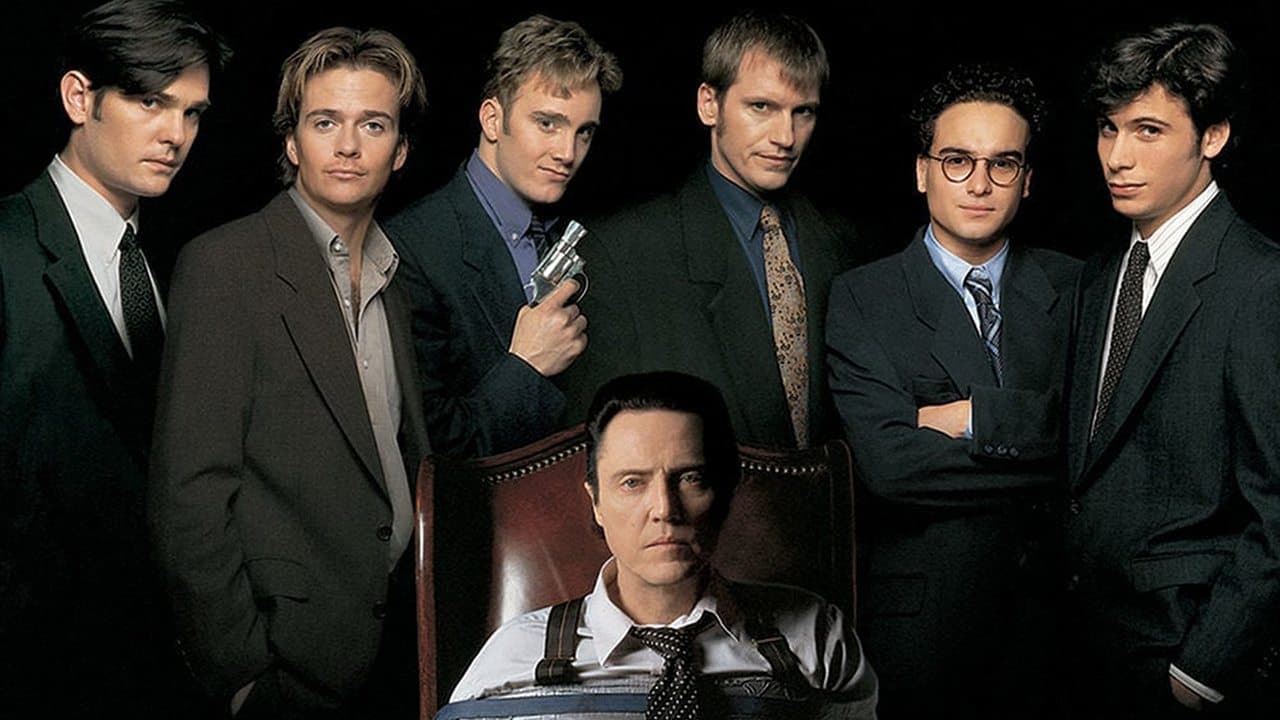
Suicide Kings follows a deceptively simple premise that spirals into something far messier and more interesting. Five privileged young men—desperate to raise $2 million to save the sister of a friend—decide to kidnap Carlo, a respected former mobster they believe to be wealthy and vulnerable. But Carlo isn't the pushover they'd hoped for. As their captive settles into his prison, he begins a calculated psychological campaign, exploiting the fault lines already running through the group. Paranoia sets in. Loyalty fractures. Each of the five starts wondering whether one of their own orchestrated the kidnapping for reasons nobody's admitting. What was supposed to be a straightforward crime becomes a pressure cooker of suspicion, dark humor, and violence.
Behind the Making of Suicide Kings
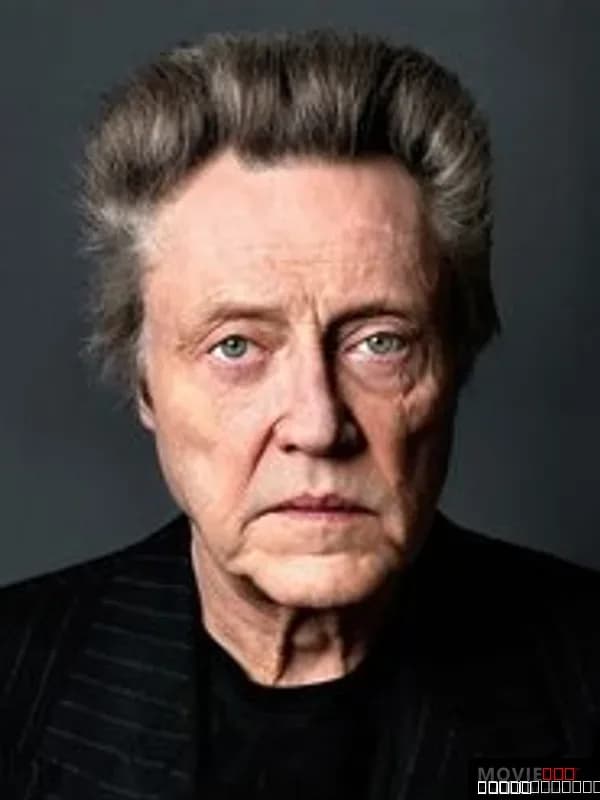
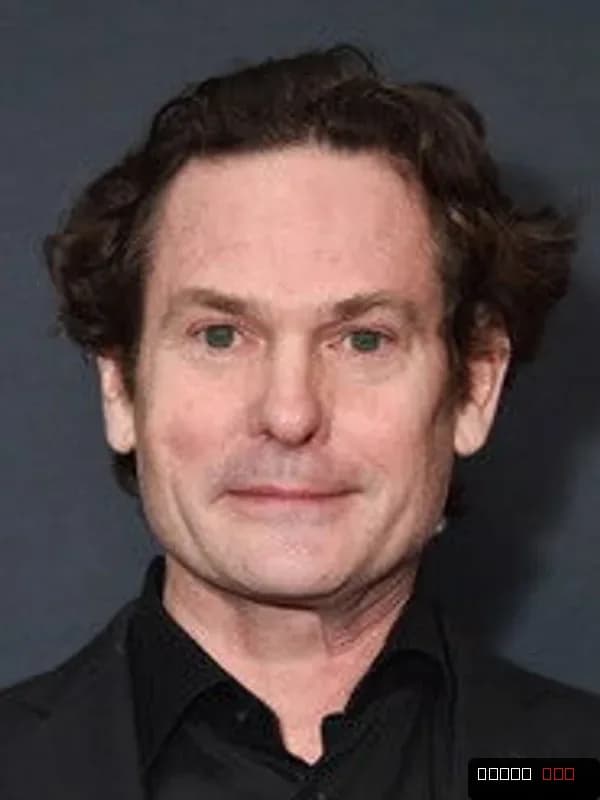
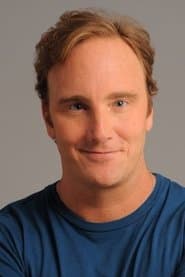
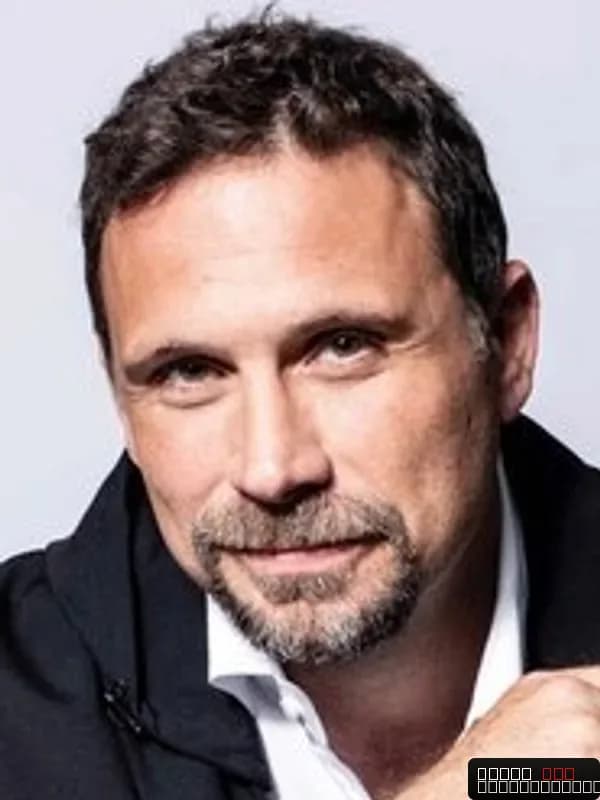
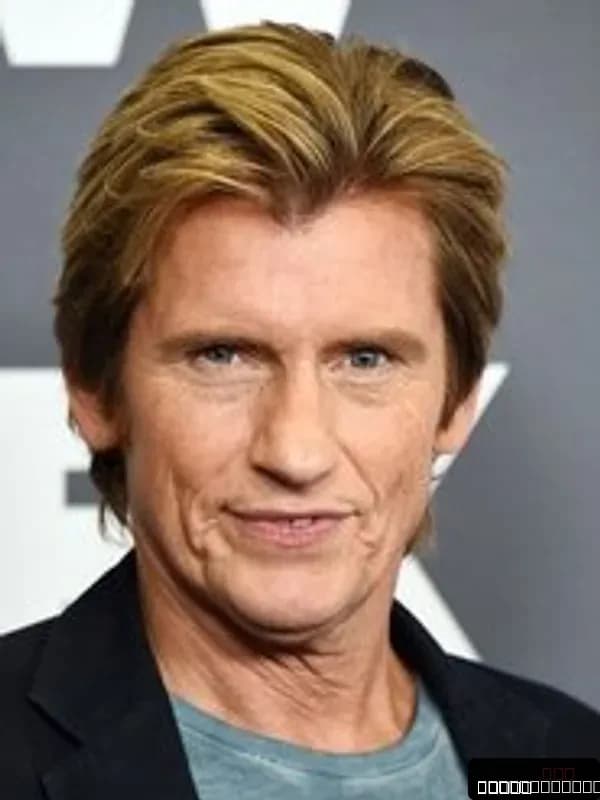
Director Peter O'Fallon helmed this adaptation of Don Stanford's short story "The Hostage," assembling an ensemble cast that reads like a who's-who of '90s talent. Christopher Walken anchors the film as Carlo, bringing his trademark deadpan menace and unpredictable charm to a role that demanded both vulnerability and predatory cunning. The supporting cast—Denis Leary, Sean Patrick Flanery, Johnny Galecki, Jay Mohr, Jeremy Sisto, and Henry Thomas—each bring their own flavor to the kidnappers, creating a dynamic where no two characters feel interchangeable. Mediaworks, Live Entertainment, and Dinamo Entertainment pooled resources to produce the film, which arrived in 1997 as a mid-budget crime thriller at a moment when the genre was still finding its footing in the post-Tarantino landscape. The film runs 106 minutes and carries an MPAA rating that reflects its blend of violence, language, and dark subject matter. While it didn't become a mainstream box-office juggernaut, it found an audience among viewers who appreciated its refusal to play by conventional crime-movie rules.
What Makes Suicide Kings Stand Out
What's striking about Suicide Kings is how it weaponizes dialogue and psychology instead of relying solely on gunplay and car chases. Walken's Carlo doesn't need to escape—he just needs to talk, to suggest, to plant seeds of doubt. There's a scene early on where he casually mentions details about his captors' lives that he shouldn't possibly know, and suddenly the entire group is turning on itself. The paranoia feels earned, not manufactured. The film doesn't shy away from its comedic potential either; there's genuine dark humor in watching privileged kids realize they're way out of their depth, that they've kidnapped someone far more dangerous than they understood. What I keep coming back to is how the ensemble cast manages to make each character's perspective feel legitimate—you're never quite sure who's lying, who's been compromised, or whether this whole thing was a setup from the beginning. Denis Leary brings a frantic energy that contrasts beautifully with Walken's glacial patience. The performances anchor what could've been a gimmicky premise and turn it into something genuinely tense. Critics recognized the film's willingness to be weird and unpredictable; it earned a 6.591 rating on IMDb, reflecting an audience that appreciated its unconventional approach to the crime-thriller formula.
Where to Stream Suicide Kings Online
Finding Suicide Kings has gotten easier in the streaming era. The film is currently available on major OTT services—you can check the "Where to Watch" widget at the top of this page to see which platform has it in your region right now. Movie OTT tracks current streaming availability across multiple services, so you won't waste time hunting. Since licensing agreements shift regularly, it's worth bookmarking that widget; Suicide Kings tends to cycle through platforms, so availability varies by month and by geography. Whether you're in the mood for a rewatch or discovering it for the first time, the easiest path is just checking where it's streaming today rather than assuming it's still on the service where you saw it last year.
Frequently Asked Questions
Q: Who directed Suicide Kings?
Peter O'Fallon directed Suicide Kings in 1997. He adapted the film from Don Stanford's short story "The Hostage," bringing a distinctive visual style and dark comedic sensibility to the material.
Q: Is Suicide Kings based on a true story?
No, Suicide Kings is based on Don Stanford's fictional short story "The Hostage," not on real events. However, the film's exploration of crime, greed, and paranoia draws on recognizable crime-movie tropes and subverts them in interesting ways.
Q: What's the runtime and rating of Suicide Kings?
Suicide Kings runs 106 minutes and contains violence, language, and adult themes appropriate for mature audiences. Check your local rating system for specific content guidance.
Q: Why is the movie called Suicide Kings?
The tagline—"A crime is a terrible thing to waste"—hints at the film's dark humor and the self-destructive nature of the kidnapping scheme. The title itself suggests that the captors are playing a game with stakes they don't fully understand, one where the odds are stacked against them from the start.
Q: Where can I watch Suicide Kings right now?
Check the "Where to Watch" widget at the top of this page. Suicide Kings cycles through various major OTT platforms, and availability changes by region and month. Movie OTT keeps that information current so you can find it instantly.
Final Thoughts on Suicide Kings
Suicide Kings deserves a second look—or a first one if you've somehow missed it. It's a film that trusts its audience to keep up with shifting allegiances and psychological games, that finds humor in desperation without ever losing sight of the danger. Walken's performance alone is worth the runtime. It's the kind of '90s thriller that doesn't get made much anymore, one that's content to be strange and morally ambiguous rather than wrapping everything up neatly. If you like crime movies with brains, ensemble casts where nobody's quite trustworthy, and a willingness to let things get weird—this one's for you.