The story of Sundown: The Vampire in Retreat
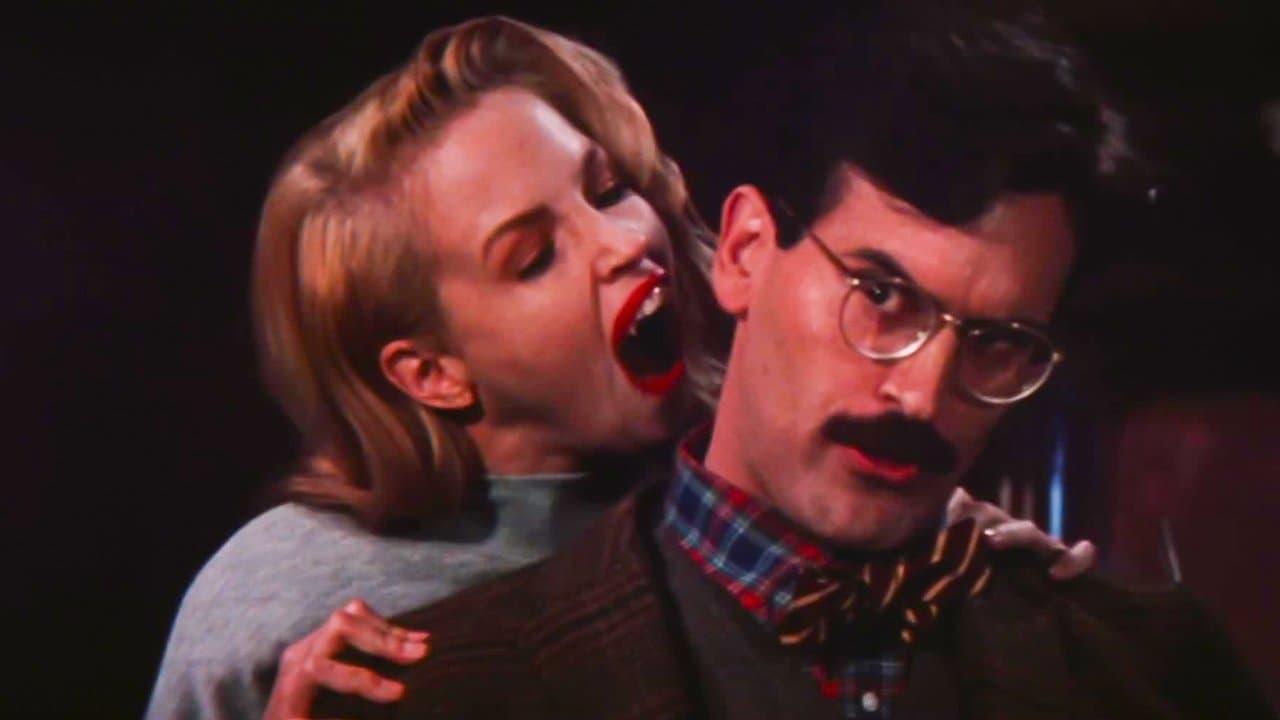
What happens when you take the vampire mythos and plonk it down in the middle of rural America, complete with sunscreen, a dusty town called Purgatory, and a cast of creatures who'd rather negotiate than feed? That's the premise of Sundown: The Vampire in Retreat, a 1991 film that refuses to take itself seriously—and that's precisely why it works. The movie follows a colony of reclusive vampires who've established an uneasy truce with humanity, protecting themselves from sunlight through modern chemistry rather than coffins and cloaks. They've built something resembling a functional society. Then everything goes sideways when a descendant of the legendary Van Helsing bloodline rolls into town with a very different agenda. What unfolds is a collision between old-world vampire lore and new-world pragmatism, filtered through the lens of Western showdown conventions and dark comedy sensibilities.
Behind the making of Sundown: The Vampire in Retreat
Sundown: The Vampire in Retreat emerged from Vestron Pictures in 1989 (though it saw wider distribution in 1991), directed by Anthony Hickox, who co-wrote the screenplay with John Burgess. The film assembled a genuinely interesting ensemble: David Carradine brought gravitas as the vampire patriarch, while Bruce Campbell—fresh off his Evil Dead fame—provided the chaotic energy the premise demanded. Morgan Brittany and Deborah Foreman rounded out a cast that felt assembled specifically to navigate the film's tonal tightrope. The production didn't chase blockbuster money or critical prestige; instead, it leaned into its B-movie DNA with genuine creativity. Runtime clocked at 104 minutes, the film had room to breathe and develop its oddball world-building. It wasn't a major box-office player, but it found its audience among horror fans and comedy enthusiasts willing to meet it on its own peculiar terms—the kind of film that builds reputation through word-of-mouth and late-night cable airings rather than opening-weekend numbers.
What makes Sundown: The Vampire in Retreat stand out
Here's what's striking: the film doesn't mock vampires so much as it interrogates what happens when supernatural creatures try to live like regular people. There's a real tension underneath the comedy—these aren't cartoonish villains but beings caught between their nature and their desire for stability. The sunscreen angle, which could've been a throwaway gag, becomes weirdly central to the film's thematic core: you can protect yourself from your weakness, but you can't protect yourself from who you are. Bruce Campbell's performance, in particular, walks a fascinating line between menace and desperation, and there's a scene where his character confronts the reality of his own immortality that carries genuine weight beneath the wisecracks. What nobody mentions is how the film uses the Western setting not as mere window dressing but as a commentary on frontier mythology—these vampires are settlers too, trying to stake a claim and build community in a landscape that doesn't belong to them. The genre mashup (Western + vampire horror + screwball comedy) shouldn't work, but it does, because the screenplay never winks at the audience about the absurdity; it plays every beat straight. That commitment to the bit is what elevates it beyond novelty.
Where to stream Sundown: The Vampire in Retreat online
Sundown: The Vampire in Retreat is currently available on major OTT services—you can check the Where to Watch widget at the top of this page to see exactly which platforms are carrying it in your region right now. Streaming rights shift, and Movie OTT keeps a running tracker of where cult films like this one land, so if your preferred service doesn't have it today, it's worth checking back periodically. The film's presence on streaming platforms has actually introduced it to a new generation of viewers who might've missed it during its initial theatrical run. If you're a fan of horror-comedy hybrids or just appreciate films that swing for the fences tonally, this one's worth hunting down—it's the kind of 90s oddity that streaming was designed to preserve and resurface.
Frequently asked questions
Q: Who directed Sundown: The Vampire in Retreat?
Anthony Hickox directed the film and co-wrote the screenplay with John Burgess. Hickox brought a clear vision for blending horror, comedy, and Western elements into a cohesive (if deliberately weird) whole.
Q: What's the official tagline for Sundown: The Vampire in Retreat?
The tagline is "There's two kinds of folks in the town of purgatory. Vampires and lunch." It perfectly captures the film's dark sense of humor and the central conflict between the vampire community and their human neighbors.
Q: Is Sundown: The Vampire in Retreat based on a true story?
No, it's an original screenplay. The premise—vampires living secretly in a small American town using sunscreen—is entirely fictional and designed as a comedic riff on vampire mythology and Western tropes.
Q: How long is Sundown: The Vampire in Retreat?
The film runs 104 minutes, giving it enough time to develop its world, character dynamics, and the central conflict between the vampire colony and the Van Helsing descendant who disrupts their fragile peace.
Q: What's the plot of Sundown: The Vampire in Retreat?
A community of reclusive vampires has established a hidden society in an American town, using modern sunscreen to protect themselves from daylight. Their arrangement falls apart when a descendant of the legendary Van Helsing arrives, setting off a chain of hilarious and chaotic confrontations.
Final thoughts on Sundown: The Vampire in Retreat
If you're tired of vampire films that take themselves too seriously—or worse, not seriously enough—Sundown: The Vampire in Retreat offers a third way. It's genuinely funny without being a parody, genuinely creepy without abandoning its sense of humor, and genuinely committed to its bizarre premise. It won't appeal to everyone, and that's fine. But for viewers willing to embrace a film that doesn't fit neatly into existing boxes, it's a rewarding watch. That's why it's stuck around in the culture, why it's found new life on streaming platforms through Movie OTT and other aggregators, and why it deserves a spot on your watchlist—especially if you're in the mood for something unexpected.