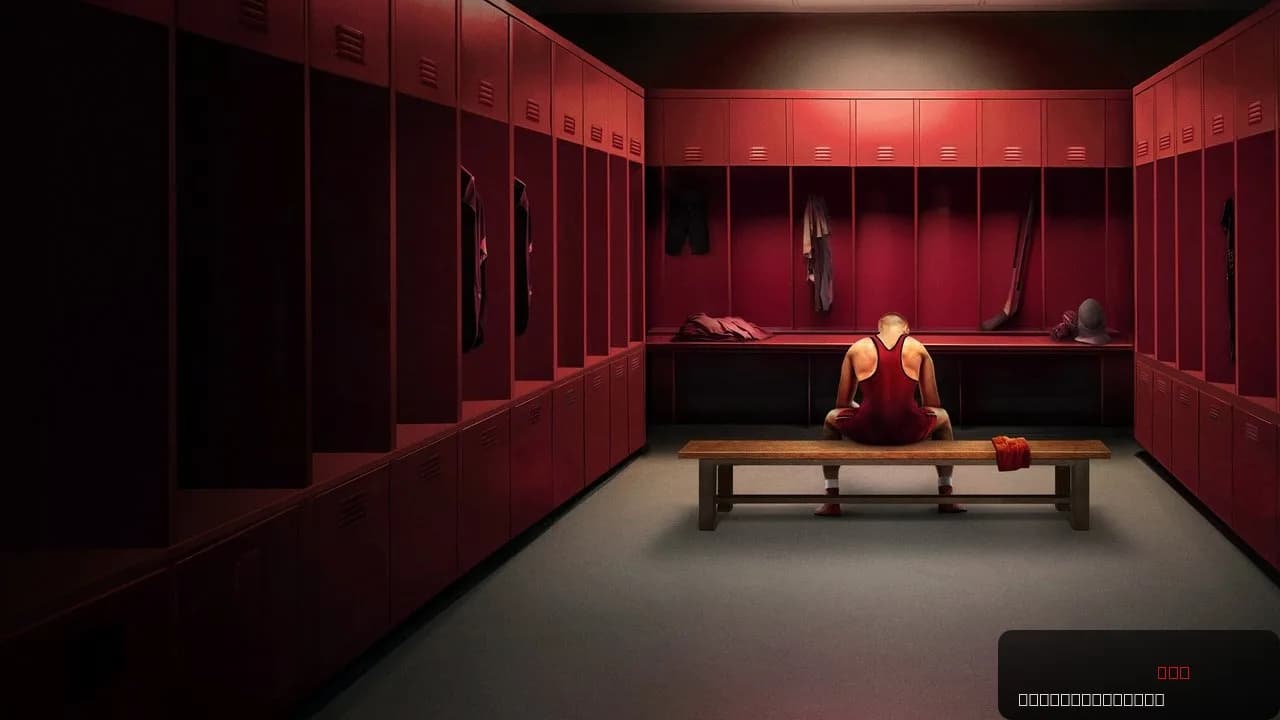
The Story of Surviving Ohio State
Surviving Ohio State is a documentary that refuses to look away. The film centers on Richard Strauss, a team physician at The Ohio State University whose position of trust became a weapon. Over two decades, Strauss abused hundreds of students — athletes and non-athletes alike — while the university's leadership either ignored complaints or actively protected him. What makes this story so difficult to confront isn't just the scale of the abuse; it's how the institution's silence enabled it to continue unchecked. The documentary follows survivors as they navigate the aftermath, demand accountability, and push back against a powerful university determined to minimize the damage.
This isn't a film that settles for easy narratives. Instead, it traces how abuse thrived in plain sight, how survivors were dismissed when they came forward, and what it took for the truth to finally break through institutional walls. The survivors' voices anchor everything — their courage in speaking up years later, their anger at being failed repeatedly, their determination to ensure this doesn't happen again.
Behind the Making of Surviving Ohio State
Surviving Ohio State arrives as a major documentary project backed by serious filmmaking talent. Director and producer Eva Orner helmed the film, with George Clooney's Smokehouse Pictures serving as a producer alongside HBO Sports Documentaries and 101/Sports Illustrated Studios. That combination of heavyweight producers signals this isn't a small independent effort — it's a fully-resourced investigation into institutional failure at one of America's largest universities.
The film premiered in 2025 to immediate critical acclaim. On Rotten Tomatoes, it holds a perfect 100% Fresh rating, while IMDb users have rated it 7.5/10, suggesting broad appeal beyond just documentary enthusiasts. The production team had access to survivors willing to share their stories on camera, archival materials, and reporting that pieced together how this scandal unfolded over years. HBO's involvement meant the documentary could be given proper theatrical and broadcast treatment — this wasn't a streaming-exclusive afterthought, but a prestige documentary backed by one of the industry's most respected documentary divisions.
The runtime of 111 minutes gives the filmmakers space to develop both the individual stories and the systemic failures that enabled them. That's a deliberate choice — too short and the complexity collapses, too long and viewers tune out. Orner and her team found the balance.
What Makes Surviving Ohio State Stand Out
What's striking about this documentary is how it refuses to treat survivors as victims and nothing else. Yes, they experienced terrible abuse. But the film shows them as people who demanded justice, who organized, who pushed back against a university that wanted to settle quietly and move on. That agency matters. It transforms the narrative from "look at what happened to these people" into "look at what these people did to hold power accountable."
The critical reception speaks to this. A perfect score on Rotten Tomatoes doesn't happen by accident — it means critics across different outlets found something vital in the film's approach. What's likely resonating is the specificity. Rather than abstract discussions of institutional responsibility, we get names, dates, and the actual mechanisms by which complaints were buried. We see the gap between what the university said publicly and what it knew privately. That granular approach makes the story impossible to dismiss or rationalize away.
I keep coming back to how the film handles the aftermath. Many documentaries about abuse end when the abuser is caught or dies (Strauss died in 2005, before the full scope of his crimes became public). But Surviving Ohio State understands that the real story doesn't end there — it's what comes after, the lawsuits, the settlements, the university's resistance to accountability. The survivors don't get closure in a neat narrative sense. They get partial justice, ongoing legal battles, and the knowledge that their institution failed them. The film sits with that discomfort rather than trying to resolve it.
Where to Stream Surviving Ohio State Online
Surviving Ohio State is available on major OTT services, and you can check the Where to Watch widget at the top of this page to see exactly which platforms currently have it in your region. Availability shifts across services, so Movie OTT tracks current streaming options to save you the hassle of hunting. Whether you're looking to watch on HBO (the natural home given the production), or checking what's available on other major platforms, the widget will tell you where to find it right now.
Given the documentary's runtime and the emotional weight of the material, you'll want to set aside time to watch it fully rather than in bits. It's the kind of film that demands your attention — not because it's sensationalized, but because the stories deserve it.
Frequently Asked Questions
Q: Is Surviving Ohio State based on a true story?
Yes, completely. The documentary examines the real sexual abuse scandal involving Richard Strauss at Ohio State University, where he abused hundreds of students over two decades before his death in 2005. The film features actual survivors telling their stories.
Q: Who directed Surviving Ohio State?
Eva Orner directed and produced the documentary. The film was produced by Smokehouse Pictures (George Clooney's production company), HBO Sports Documentaries, and 101/Sports Illustrated Studios.
Q: How long is Surviving Ohio State?
The documentary runs 111 minutes, giving the filmmakers space to explore both individual survivor stories and the institutional failures that enabled the abuse.
Q: What's the critical reception for Surviving Ohio State?
The film has been very well-received, holding a 100% Fresh rating on Rotten Tomatoes and a 7.5/10 rating on IMDb, indicating strong appreciation from both critics and general audiences.
Q: What happened to Richard Strauss?
Strauss died in 2005, before the full scope of his abuse became public. The documentary examines how his crimes remained hidden for so long and the ongoing fight for accountability from survivors and their families.
Final Thoughts on Surviving Ohio State
Surviving Ohio State matters because it refuses to let a powerful institution off the hook. Universities aren't typically held accountable in popular culture — they're treated as neutral spaces, or even as good actors. This film cracks that open. It's essential viewing for anyone who cares about institutional accountability, survivor justice, or the gap between what institutions claim and what they actually do. The survivors' bravery in speaking up deserves to be heard.