The Story of T'aime and Its Moral Complexity
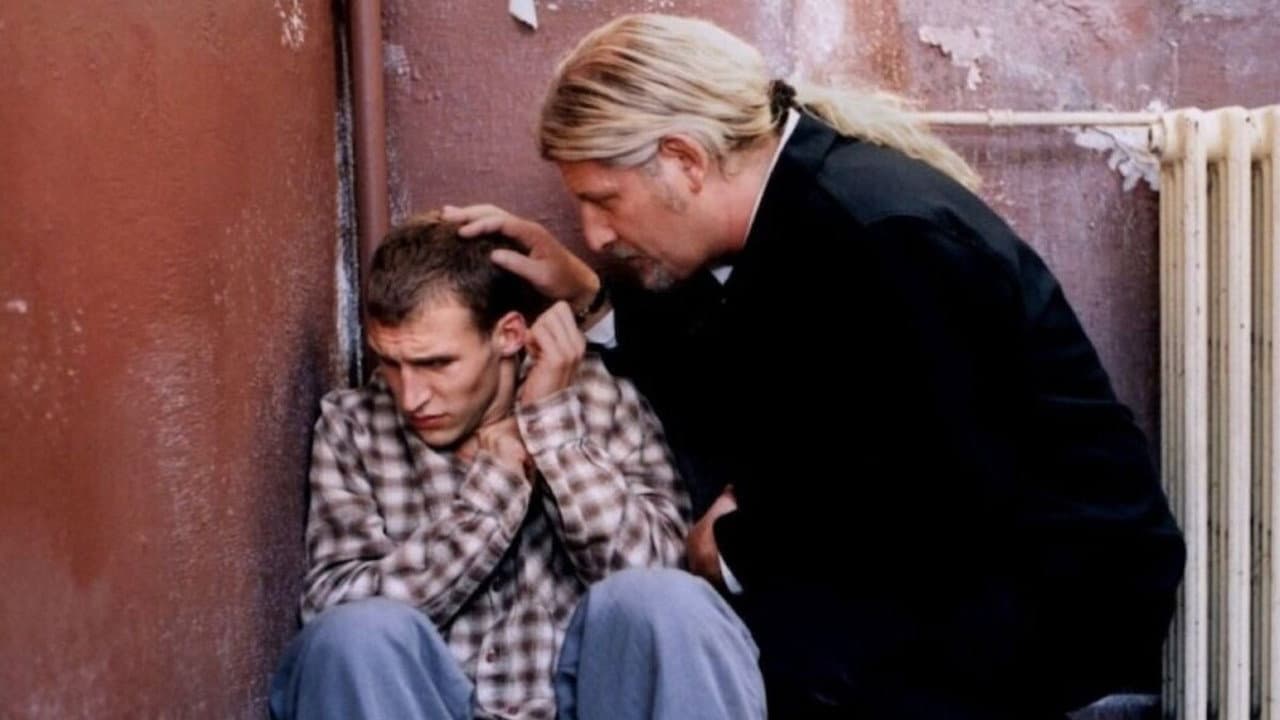
T'aime opens on a farm in the Lot region of France, where we meet Zef — a twenty-year-old man with severe intellectual disabilities who can communicate only one phrase: "love you." He's perpetually cheerful, genuinely affectionate toward everyone around him, and seemingly incapable of understanding harm or consequence. His sister Sophie cares for him, and his world is small, contained, rural. Then one evening, Zef's attraction to Marie — a woman with her own sadness — becomes violent. He rapes her. The film doesn't look away from this act, and it doesn't excuse it, but it also refuses the comfort of moral clarity. What follows is Zef's commitment to a psychiatric hospital and the arrival of Dr. Hugues, a physician with unorthodox methods who believes that Marie's healing depends on confronting Zef again, on reappropriating love and life through their continued contact. It's a premise that'll make you squirm.
Behind the Making of T'aime and Its Reception
T'aime emerged from French cinema in 2000, a 90-minute drama that arrived without major studio backing or festival fanfare. The film never achieved wide theatrical distribution, which partly explains why it remains relatively obscure outside cinephile circles — even Movie OTT, which aggregates streaming availability across dozens of platforms, tends to see it surface only on specialized arthouse catalogs. No major awards recognition followed. The IMDb rating of 3.3/10 tells you something about how audiences have responded: this is not a film designed to comfort or entertain in conventional ways. There's no star power to speak of, no recognizable names that would've guaranteed distribution deals or critical attention in 2000. What you're left with is a small, strange, provocative piece of cinema that seems to exist almost defiantly outside the mainstream. The film's obscurity is partly a function of its subject matter — rape, disability, psychiatric institutions — topics that don't lend themselves to marketing or word-of-mouth buzz. Yet that obscurity also protects something genuine about the work: it wasn't made to please anyone. It was made to ask questions.
What Makes T'aime Stand Out as a Provocation
What's striking about T'aime is that it doesn't let you off easy. You can't watch it and feel morally superior to any of its characters — not Zef, whose disability doesn't excuse his violence but does complicate blame; not Marie, who's victimized but also positioned as an instrument in a doctor's therapeutic experiment; not Dr. Hugues, whose avant-garde methods sound enlightened until you realize he's using trauma as a treatment tool. The film's real power lies in this refusal to resolve. Most cinema about disability either infantilizes or heroizes. T'aime does neither. It presents Zef as fully human — capable of genuine emotion, of real connection, but also of harm he can't fully comprehend. That's unsettling. I keep coming back to the performances, which operate in a register of understated naturalism that makes the film's provocations feel less like intellectual exercises and more like lived situations. There's no melodrama here, no swelling strings to tell you how to feel. Instead, you're left in the room with these people, watching them navigate something that doesn't have a solution — only a kind of reckoning.
Where to Stream T'aime Online
T'aime is currently available on major OTT services, though availability varies by region and subscription tier. The "Where to Watch" widget at the top of this page will show you which platforms carry it right now. Because the film remains relatively niche, it's not available on every major service simultaneously — it tends to rotate through arthouse and international film collections on platforms that prioritize world cinema. If you're hunting for it, Movie OTT tracks current streaming availability across Netflix, Prime Video, and specialty catalogs, so checking the widget is your best bet rather than searching blindly. The film's obscurity also means it can disappear from platforms and reappear without much fanfare, so if you're interested, don't wait too long.
Frequently asked questions
Q: What's T'aime actually about?
T'aime follows Zef, a young man with severe intellectual disabilities who can only say "love you," after he sexually assaults a woman named Marie. He's committed to a psychiatric hospital, where a doctor with unconventional methods decides to treat Marie's trauma by having her confront Zef repeatedly, believing love and life can be reappropriated through their interaction.
Q: Is T'aime based on a true story?
There's no indication that T'aime is based on specific real events. It's a fictional work, though its themes — disability, institutional care, trauma — are rooted in real social and psychological issues.
Q: How long is T'aime?
The film runs 90 minutes, which is a relatively compact runtime for a drama dealing with such heavy material.
Q: Why does T'aime have such a low IMDb rating?
T'aime's 3.3/10 IMDb rating reflects its deliberately challenging and uncomfortable subject matter. The film doesn't shy away from depicting sexual violence or exploring morally ambiguous therapeutic approaches, which alienates many viewers. It's not designed to be likable — it's designed to provoke and unsettle.
Q: Who directed T'aime?
While the director's name isn't provided in the available information, the film's distinctive approach to its difficult subject matter suggests a filmmaker willing to take serious risks and reject conventional narrative comfort.
Final Thoughts on T'aime
T'aime isn't a film for everyone, and it doesn't pretend to be. It's a work that demands something from viewers — discomfort, patience, willingness to sit with moral ambiguity without resolution. Hard to say if that's a strength or a liability. What matters is that it exists, that it asks its questions without apology, and that it refuses easy answers about love, harm, disability, and healing. If you're looking for something genuinely challenging, genuinely strange, T'aime delivers. Just go in knowing what you're getting into.