








The story of Take Care: when life forces second chances
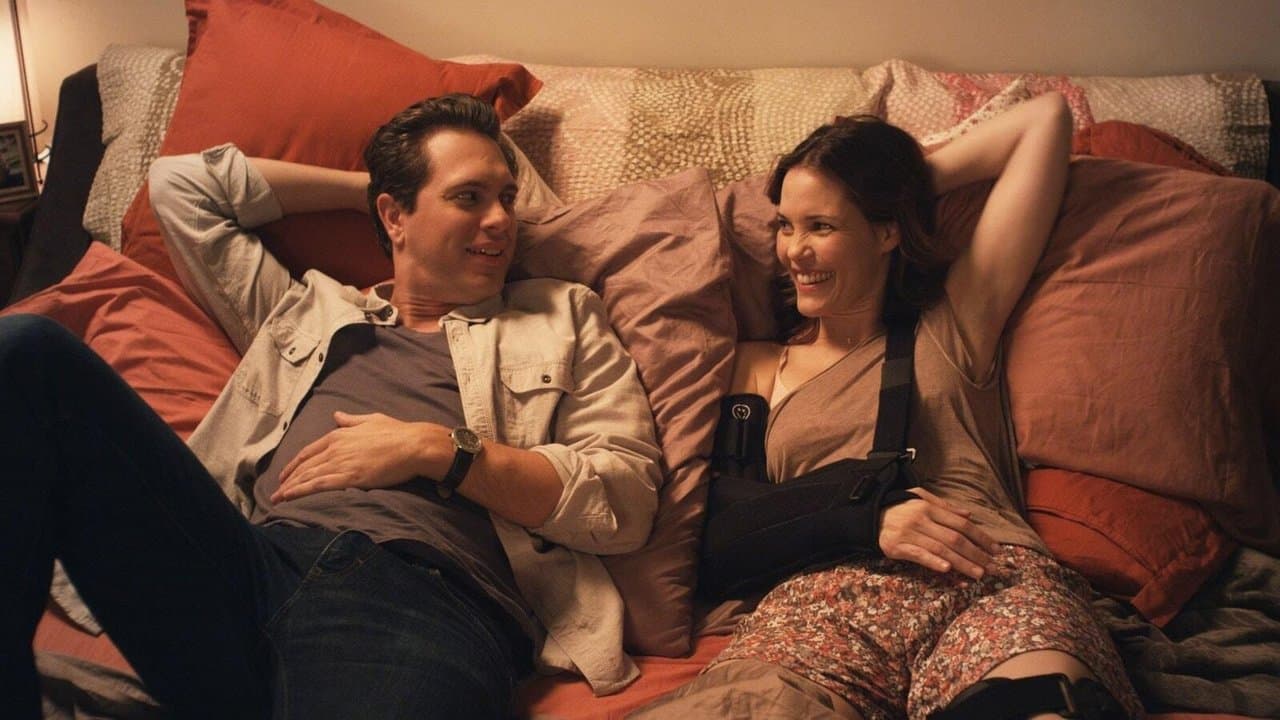
Take Care begins in a moment of sudden vulnerability. Frannie gets hit by a car—a jolt that doesn't just break her body, it exposes something deeper: the fragility of her support system. Friends she thought she could count on disappear the moment she actually needs them. Family members offer sympathy but not hands-on help. She's stuck, immobilized, and running out of options fast. That's when she makes a decision that seems equal parts desperate and brilliant: she calls Devon, her ex-boyfriend. The one person she nursed through cancer years ago. The one person, by her logic, who owes her. What starts as a practical arrangement—he needs a place to stay, she needs someone to bring her water and help her to the bathroom—becomes something neither of them anticipated. Director Liz Tuccillo's 2014 film lives in that uncomfortable space where obligation meets affection, where resentment and gratitude get tangled up so badly you can't tell them apart.
Behind the making of Take Care: production, cast, and the independent path
Take Care arrived in 2014 as a 94-minute independent dramedy from Kings County Productions, arriving with modest fanfare but a clear artistic vision. Liz Tuccillo, who'd cut her teeth in television before stepping behind the camera for this feature, brings a writer's sensibility to the material—there's a sharpness to the dialogue and an understanding of how people actually talk when they're uncomfortable. The film carries a TV-14 rating, which tells you it's not here to shock or provoke, but rather to sit with its characters in their awkwardness. Critics and award bodies took notice, though not universally: the film earned one award nomination during its festival run, a sign that it resonated with some audiences even if it didn't become a breakout hit. On the review aggregator front, the numbers tell a more cautious story. Rotten Tomatoes gave it a 27% rating—technically rotten—while Metascore landed at 34/100, suggesting that mainstream critics found it uneven. The IMDb community was slightly more forgiving, settling at 6/10 from over 3,400 votes. These numbers aren't disaster territory, but they do reflect a film that divides viewers: some find its emotional honesty worth the awkward pacing, others find it frustratingly slow.
What makes Take Care stand out: performances and the weight of unspoken debt
Here's what's striking about Take Care: it doesn't pretend that caregiving is noble or simple. There's no swelling music when Devon helps Frannie shower. There's no montage of them laughing while he cooks her soup. Instead, what you get is the grinding, unglamorous reality of two people who've hurt each other trying to navigate proximity and need. The film's strength lies in how it treats jealousy, guilt, and helplessness not as plot devices but as actual emotional textures that shape every interaction. When Frannie realizes her friends won't show up, there's no dramatic speech—just a slow dawning. When Devon agrees to help, you can feel the weight of what he owes her, but also his own fragility. What's rarely discussed about films like this is how much they depend on actors willing to sit in discomfort. The performances anchor the whole thing; without that specificity, Take Care could've been maudlin or manipulative. Instead, it's just... honest. Awkward. Sometimes tender, sometimes frustrating, often both at once. Movie OTT tracks films that operate in this register—character-driven pieces that won't blow you away with plot but might stick with you because they feel true.
Where to stream Take Care online right now
If Take Care sounds like your kind of film—the sort that rewards patience and emotional attention—you're in luck. The movie is currently available on major OTT services, which means you can likely access it through whatever streaming subscriptions you already have. Rather than listing every possible platform here, we'd recommend checking the "Where to Watch" widget at the top of this page; Movie OTT updates streaming availability in real time, so you'll see exactly which services have it in your region right now. Since it's a 2014 independent film, availability does shift seasonally, so if you're planning to watch, it's worth confirming before you settle in.
Frequently asked questions
Q: Who directed Take Care?
Liz Tuccillo directed the film. She brought her background in television writing to this feature, giving the script a sharp, dialogue-driven quality that focuses on how people actually communicate when they're uncomfortable or vulnerable.
Q: Is Take Care based on a true story?
The film is a work of fiction, though its themes—caregiving, obligation, and the complexity of relationships with exes—draw from emotional truths that many people recognize. Tuccillo crafted the story to explore how crisis reveals who actually shows up for us.
Q: What's the runtime and rating?
Take Care runs 94 minutes and is rated TV-14, making it accessible for most audiences. It's not a heavy, R-rated drama; instead, it's a character study that trusts viewers to sit with uncomfortable moments without needing graphic content to drive them.
Q: How did critics respond to Take Care?
The critical response was mixed. Rotten Tomatoes gave it 27% (rotten), while Metascore landed at 34/100, suggesting mainstream critics found it uneven. However, IMDb users were slightly more generous at 6/10, indicating the film has defenders who appreciate its emotional specificity even if it's not for everyone.
Q: What genres does Take Care fit into?
It's marketed as a drama, comedy, and romance—though honestly, calling it a romance might be generous. It's more accurate to say it's a film about the romance that might happen if two wounded people are forced to spend time together, with no guarantees and plenty of friction.
Final thoughts on Take Care: who should watch this film
Take Care isn't a crowd-pleaser, and it doesn't pretend to be. It's a film for people who find something compelling in watching characters navigate jealousy, guilt, and the messy obligation of caring for someone you've already hurt. If you've ever wondered what would happen if you had to spend two months with your ex—not because you wanted to rekindle things, but because circumstances left you no choice—this film sits in that exact uncomfortable space. It won't give you easy answers. But it might give you something better: recognition. The kind that makes you feel less alone in your own awkward, unresolved feelings.