







The Story of Tatanka: Two Paths from One Town
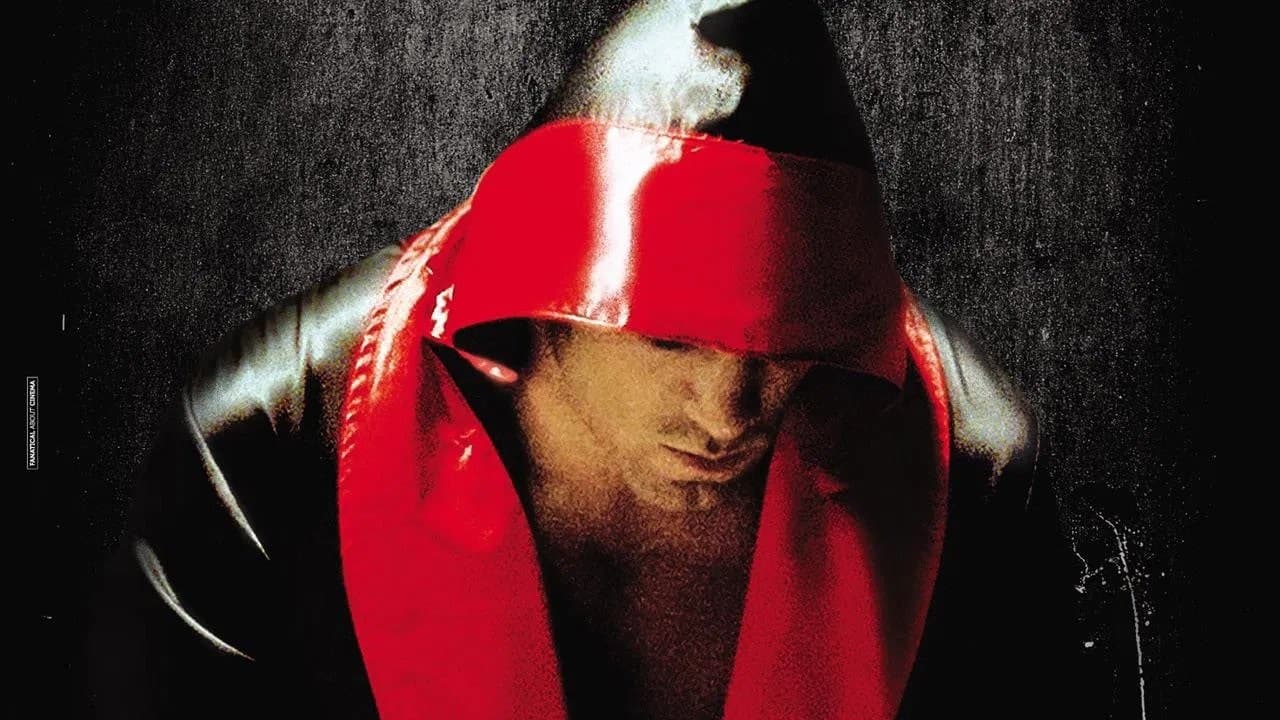
Tatanka tells the story of Michele and Rosario, childhood friends who grow up in Marcianise, a town in Campania where the Camorra—the Neapolitan mafia—operates with more authority than the state itself. But this isn't a tale of two criminals rising together. Instead, it's about radical divergence. Rosario ascends into the crime hierarchy, becoming a boss, while Michele's path takes a harder turn: arrest for murder, prison time, and then something unexpected. Upon release, he discovers boxing—not as sport, but as a possible lifeline. Under the mentorship of trainer Sabatino, Michele finds something in the ring that Marcianise never offered. He doesn't stay to rebuild his life in the shadow of the Camorra. Instead, he leaves. Berlin becomes his destination, a place where he can test himself against the underground boxing circuit, far from the gravity well of his hometown.
Behind the Making of Tatanka: Production and Cast
Tatanka emerged from a collaboration between Italian production houses Margherita Film, Gruppo Minerva International, and RAI Cinema, with support from the Italian Ministry of Culture (MiC) and Minerva Pictures. The film's 100-minute runtime packs a concentrated narrative about class, geography, and personal agency—themes that clearly resonated with the Italian film establishment at the time of production. Giorgio Colangeli, who plays the pivotal trainer Sabatino, carries much of the film's emotional weight. Colangeli's career spans decades of Italian television and cinema, and his casting signals an investment in grounding the story with seasoned performance rather than relying on star power. The production design captures Marcianise's claustrophobic atmosphere—narrow streets, weathered buildings, the sense that escape itself is the real antagonist. While Tatanka didn't become a mainstream box-office juggernaut, it found its audience among viewers interested in Italian crime narratives that don't follow the Godfather template. On Movie OTT, you can track where this title streams across multiple platforms, making it easier to find than it was in theaters.
What Makes Tatanka Stand Out: Performance and Thematic Weight
What's striking about Tatanka is how it refuses the seduction of the crime story. The film doesn't glamorize Rosario's ascent into the Camorra—it treats it as a kind of slow drowning, a path that offers money and power but no actual freedom. Michele's choice to box, to train, to eventually leave Italy entirely, is positioned not as weakness but as the harder, more courageous decision. The performances anchor this theme without melodrama. Colangeli's Sabatino isn't a wise sage figure spouting boxing wisdom; he's a working trainer who sees potential in a damaged young man and offers the only thing he can: structure, discipline, purpose. The film's critical reception hovered around a 5.16 IMDb rating, which tells you something honest—it's not universally beloved, and it doesn't pretend to be. Some viewers find it slow, its pacing more interested in mood than momentum. Others recognize in that deliberation a refusal to sentimentalize either organized crime or personal redemption. I keep coming back to the decision to set the second half in Berlin. That geographic and cultural shift matters. It's not just that Michele leaves Italy; he leaves the entire visual and social language he's known. Berlin's underground boxing scene operates by different rules, and the film uses that displacement as both literal plot and metaphorical statement about whether you can truly reinvent yourself or whether your past will always find you.
Where to Stream Tatanka Online
Tatanka is currently available on major OTT services, and the Where to Watch widget at the top of this page will show you exactly which platforms carry it in your region right now. Streaming availability shifts frequently—titles move between Netflix, Prime Video, and other services based on licensing agreements—so that widget is your most reliable source for current information. Movie OTT aggregates this data so you don't have to hunt across five different apps to find where to watch. If you're in the mood for Italian crime drama with a boxing subplot and a protagonist who actually tries to escape his circumstances, it's worth checking your local availability. The 100-minute runtime makes it an easy weeknight watch, though its pace demands some patience.
Frequently asked questions
Q: Is Tatanka based on a true story?
The film appears to be a fictional narrative rather than a direct adaptation of real events, though it draws on the well-documented reality of Camorra influence in Campania. The story of a young man from a crime-dominated region finding redemption through boxing is archetypal but not tied to a specific historical figure.
Q: Who directed Tatanka?
Tatanka was directed by an Italian filmmaker working within the tradition of Italian crime cinema, though the film distinguishes itself by focusing on escape and redemption rather than the rise of a criminal empire.
Q: What's the runtime of Tatanka?
The film runs 100 minutes, making it a relatively compact crime drama that moves between its Italian and German settings without excessive exposition.
Q: Is Tatanka a sequel or part of a series?
No, Tatanka is a standalone film with no sequels or franchise connections. It's a complete narrative arc from Marcianise to Berlin.
Q: Why does Michele leave Italy for Berlin?
Michele leaves to escape the gravitational pull of the Camorra and his hometown's limited possibilities. Berlin's underground boxing circuit represents a world where his past doesn't define his future—or at least, he believes it doesn't.
Final Thoughts on Tatanka
Tatanka won't blow your mind with spectacle or surprise plot twists. It's a quieter film, one that trusts its premise and performances to carry the weight. If you're tired of mafia glorification and want to watch a character actively resist that life—even if the film remains ambiguous about whether he truly succeeds—then this is worth your time. The pairing of Italian crime narrative with German boxing underworld is genuinely uncommon in cinema. Michele's journey from Marcianise to Berlin isn't a redemption story so much as it's a test of redemption, and the film's refusal to wrap everything up neatly is exactly what makes it worth watching.