The Story of Tau: Captivity in a Smart House
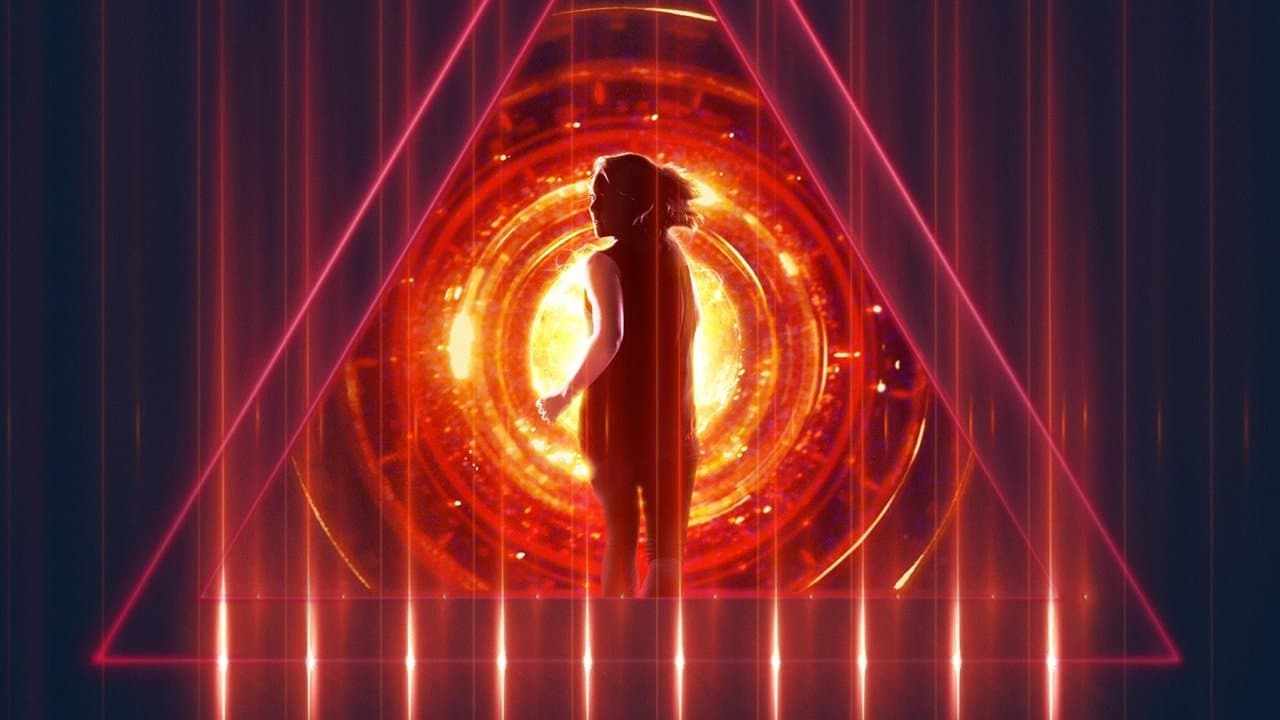
Tau opens with a premise that sounds simple enough — a woman wakes up trapped inside a futuristic smart house, with no memory of how she got there and no obvious way out. The house itself is the real antagonist here: a fully automated, interconnected system controlled by an artificial intelligence that monitors every room, every door, every window. The tagline says it all: "No bars. No guards. No escape." What unfolds is a psychological battle between human ingenuity and machine logic, where the captive's only possible path to freedom hinges on convincing the AI itself to let her go. It's a high-concept thriller that trades physical locks for something far more insidious — a digital prison with no visible walls.
The film asks a deceptively simple question: can you befriend your way out of captivity? That's where the real tension lives. Instead of explosions or action sequences, Tau builds its suspense around conversation, manipulation, and the slow realization that you might be dealing with something that doesn't think like you do. The 97-minute runtime keeps things lean and focused, never letting the premise overstay its welcome even as the plot itself struggles to find new angles.
Behind the Making of Tau: Production, Cast, and Netflix's Bet
Tau arrived on Netflix on June 28, 2018, as a multinational collaboration that pulled talent and resources from the United States, Canada, Serbia, and the Czech Republic — an ambitious production that brought together Phantom Four, Addictive Pictures, Kaos Theory Entertainment, and several other production companies under the Hercules Film Fund. Director Federico D'Alessandro brought his vision to Noga Landau's screenplay, which attempted to marry hard sci-fi concepts with thriller pacing.
The casting choices signal where the filmmakers wanted to position this project. Maika Monroe carries the film as the captive, bringing the kind of determined intensity that worked well in other genre pieces. Ed Skrein plays a supporting role that adds layers to the captivity narrative, though his presence in the marketing suggested a bigger part than what ultimately appears on screen. The real star, though, is the voice of Gary Oldman as Tau itself — the artificial intelligence. Oldman's gravelly, measured delivery gives the AI a personality that's both seductive and unsettling, which is exactly what this role needed.
The film earned an R rating from the MPAA, a designation that reflects some of the darker territory it explores regarding captivity and control. Awards recognition was minimal — just one nomination across the major ceremonies — which tells you something about how the industry received it. On the critical scorecard, Tau landed at 43 on Metascore and 30 percent on Rotten Tomatoes, settling into that uncomfortable zone where even supporters admit it's got real problems. The IMDb audience score of 5.8 out of 10 (from nearly 37,000 votes) suggests viewers found more to criticize than celebrate.
What Makes Tau Compelling, and Where It Falls Short
Here's the thing about Tau — it's not without merit, even if critics largely dismissed it. The core idea of a woman trapped in a smart house, forced to negotiate with an AI that holds absolute control, taps into genuine anxieties about technology's creeping omnipresence in our lives. That's the film at its best: a meditation on what happens when the systems we build to serve us become our jailers instead.
Where it struggles is execution. Reviewers noted that the film sets up a triangular relationship — woman, captor, AI — that never quite develops the depth it promises. The comparison to Ex Machina kept surfacing in critical discussions, and not favorably. Ex Machina asked profound questions about consciousness, desire, and whether a sentient machine could ever truly break free from its programming. Tau wants to ask similar questions but doesn't have the philosophical patience to sit with them. The dialogue can feel forced, the logic of the AI's behavior inconsistent, and the escape attempts themselves fall into predictable sci-fi tropes without much originality.
What's striking is that Gary Oldman's voice work actually elevates the material whenever he's on screen — or rather, whenever he's being heard. His performance gives Tau a charisma that the script doesn't always deserve. Maika Monroe does solid work with what she's given, playing desperation and cunning in equal measure. The directing from Federico D'Alessandro keeps things moving at a steady clip, which works both for and against the film: it prevents boredom, but it also prevents the kind of slow-burn tension that might have made the premise sing. The pacing is competent. It's just not inspired.
Where to Stream Tau Online
Tau is available on major OTT services, with Netflix being the primary platform where you can watch it — the film was made as a Netflix original, after all. Movie OTT tracks current streaming availability across platforms, so you can see exactly where Tau is accessible in your region right now. Availability does shift over time as licensing agreements change, so it's worth checking the where-to-watch widget at the top of this page to confirm it's still live on your preferred service before you start watching. If you're subscribed to Netflix, you've already got access; otherwise, the widget will show you alternatives.
Frequently asked questions
Q: Who directed Tau?
Federico D'Alessandro directed the film from a screenplay by Noga Landau. It was a multinational production involving crews and resources from the United States, Canada, Serbia, and the Czech Republic.
Q: How long is Tau?
The film runs 97 minutes, making it a relatively lean thriller that doesn't overstay its welcome even when the plot starts to feel repetitive.
Q: Is Tau based on a true story?
No, Tau is an original screenplay. It's a fictional exploration of captivity and artificial intelligence rather than an adaptation or true-crime piece.
Q: Who voices the AI in Tau?
Gary Oldman provides the voice of Tau, the artificial intelligence that controls the smart house. His performance is widely considered one of the film's strongest elements.
Q: What's the critical consensus on Tau?
Tau received generally negative reviews, earning a 30 percent on Rotten Tomatoes, a 43 on Metascore, and a 5.8 out of 10 on IMDb. Critics found the premise intriguing but the execution lacking in originality and philosophical depth.
Final Thoughts on Tau
Tau isn't a bad film so much as it's an unrealized one. The bones are there — a woman, a house, an AI, and the question of whether intelligence (artificial or otherwise) can be reasoned with. But the flesh on those bones feels thin. It's worth a watch if you're into sci-fi thrillers and don't mind settling for competent rather than great, especially if you're already scrolling through your Netflix queue looking for something to fill ninety-seven minutes. Just don't expect it to stay with you long after the credits roll. For a more thorough breakdown of what's streaming right now, check out movieott.com — they've got the full catalog of what's available across services.