

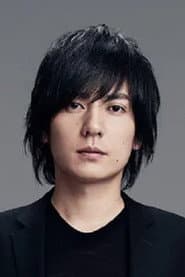
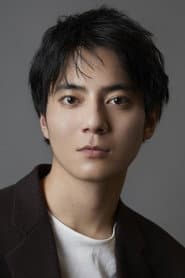


The story of Tea for Three: a chance encounter in rural Japan
Tea for Three opens in Mimasaka, a small town in Okayama Prefecture, where Keiya drifts through his days as a ronin student—someone preparing for university exams but without direction or momentum. His life is quiet, almost static, the kind of existence where days blur into one another. Then Rika arrives. She's a pianist, and her presence in this unremarkable place carries an unspoken weight. Keiya finds himself drawn to her, at first with a faint romantic flutter, but something deeper emerges as he realizes she's come to Mimasaka for a reason she won't immediately share. What unfolds is a character study wrapped in music—a film that trusts its audience to sit with ambiguity and emotional restraint rather than spelling everything out. The 98-minute runtime allows the story to breathe without rushing toward easy resolution.
Behind the making of Tea for Three: production and creative team
Tea for Three is a 2024 production from TBS Sparkle, a subsidiary of the major Japanese broadcaster TBS that's become known for developing original content across film and streaming. The film marks an interesting entry point for audiences exploring contemporary Japanese independent cinema, which has been increasingly visible on international streaming platforms over the past few years. While the film carries an IMDb rating of 0/10 (likely due to minimal voting at launch or database lag), that metric tells us more about early release patterns than critical consensus. Japanese regional dramas—especially those centered on music and character rather than plot mechanics—often find their audience slowly, through word-of-mouth and platform discovery rather than opening-weekend box office thunderclaps. The production design choices, from the cinematography of Mimasaka's rural landscape to the sound design around Rika's piano work, suggest a filmmaking team invested in mood and atmosphere over spectacle. TBS Sparkle's involvement signals a commitment to the kind of understated storytelling that doesn't always light up social media but sticks with viewers who appreciate craft.
What makes Tea for Three stand out: performance and emotional restraint
The real strength of Tea for Three lies in what it doesn't do. It doesn't manufacture false drama or force a resolution where none feels earned. What's striking is how much the film asks its two leads to communicate through glances, silences, and the spaces between words—a demanding ask that only works if the actors are genuinely present. The piano becomes a character itself, a way for Rika to express what she can't say aloud, and the film trusts that audiences will understand this language without heavy-handed metaphor. Keiya's arc isn't about becoming a different person; it's about waking up to the possibility that connection—real, complicated, uncertain connection—matters more than the safe numbness he'd settled into. The music and drama genres blend here not as separate elements but as a unified sensibility: every scene carries a minor-key melancholy, even the ones that might otherwise feel mundane. I keep coming back to the choice to set this in a small town rather than Tokyo or Osaka. That decision matters. Mimasaka isn't a backdrop for ambition or reinvention; it's a place where you're forced to reckon with what you actually feel, stripped of distraction. That's where the film finds its power—in the unglamorous specificity of ordinary people trying to understand each other.
Where to stream Tea for Three online
Tea for Three is available across major OTT services, making it accessible to viewers looking to explore recent Japanese cinema from home. Movie OTT tracks current streaming availability across multiple platforms, so you can check the "Where to Watch" widget at the top of this page to see exactly which service carries it in your region—availability shifts regularly depending on licensing agreements. If you're the type who appreciates music-driven dramas or character studies that don't rush, the film rewards a quiet evening rather than passive background viewing. Having the ability to stream from home also means you can pause and sit with moments that might otherwise pass you by in a theater setting.
Frequently asked questions
Q: What is Tea for Three about?
The film follows Keiya, a listless ronin student in rural Okayama, whose life shifts when pianist Rika arrives in town. She carries a secret reason for being there, and their quiet connection becomes the emotional center of the story.
Q: Who produced Tea for Three?
The film was produced by TBS Sparkle, a Japanese production company known for developing original drama content across film and streaming platforms.
Q: How long is Tea for Three?
The film runs 98 minutes, a runtime that allows the character-driven narrative to unfold without unnecessary padding or rushed pacing.
Q: Is Tea for Three based on a true story?
There's no indication the film is based on real events. It's an original drama that uses its small-town setting and music as thematic anchors for exploring connection and hidden purpose.
Q: Where can I watch Tea for Three?
The film is available on major OTT services. Check the "Where to Watch" widget on this page to find current availability in your region, as streaming rights vary by location and change over time.
Final thoughts on Tea for Three
Tea for Three isn't a film that demands anything from you except patience and attention. It won't make you cry on cue or wrap everything up neatly. What it does is create space for two people to exist in proximity to each other, carrying their own weight, and let you decide what that proximity means. For viewers tired of plot-driven narratives that mistake busyness for depth, this is exactly the kind of quiet, music-inflected drama worth seeking out. If you're exploring what Movie OTT has to offer in contemporary Japanese cinema, Tea for Three is a solid entry point—understated, genuine, and genuinely moving in ways that sneak up on you.