


The Intricate Story of Television's Clash Between Old and New
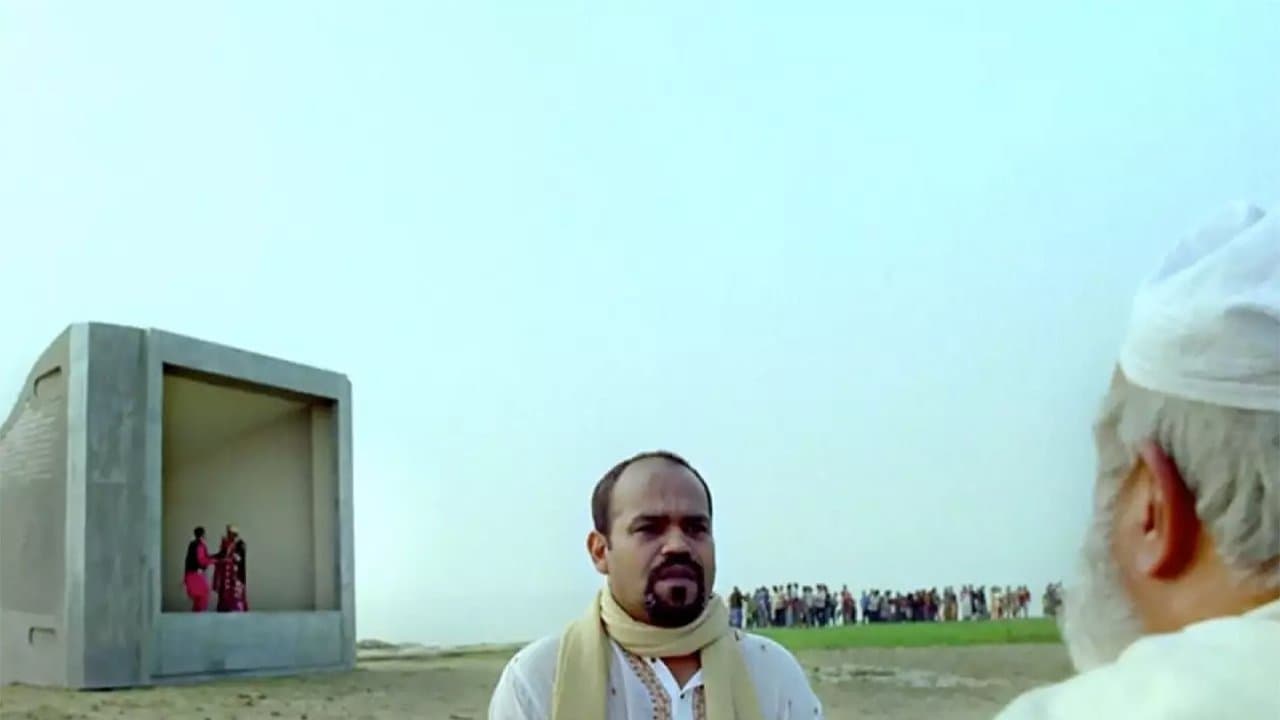
Mostofa Sarwar Farooki’s 2012 drama, Television, plunges viewers into a remote Bangladeshi village where ancient customs hold sway, and the arrival of modern technology is viewed with suspicion, even hostility. At the heart of this conflict is Chairman Amin, a deeply devout and authoritative figure who believes that television, and indeed all forms of modern media, are sacrilegious and corrupting influences. He enforces a strict ban, not only on televisions but on any device that might connect his community to the outside world, creating a palpable tension within the village. This isn't just about screens; it's about control, faith, and the very identity of a people. As Amin's measures grow increasingly restrictive, the inherent human desire for connection and progress begins to simmer beneath the surface, setting the stage for an inevitable confrontation between tradition and the relentless march of modernity. What an idea.
Behind the Scenes of Television: Farooki's Vision and Acclaim
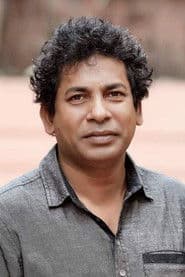
The compelling narrative of Television was brought to life by the acclaimed Bangladeshi filmmaker Mostofa Sarwar Farooki, a director known for his distinctive style and willingness to tackle complex social issues. Released in 2012, this 106-minute drama was a collaborative effort from production houses Chabial, Mogador Film, and Star Cineplex, reflecting a significant output from the region. The film features a talented ensemble cast, including Kazi Shahir Huda Rumi, Chanchal Chowdhury, Mosharraf Karim, and Tisha, whose performances are central to the film's emotional depth and nuanced portrayal of its characters. Their ability to convey the quiet desperation and eventual defiance of the villagers truly elevates the story. Beyond its domestic impact, Television garnered international attention, earning 3 wins and 6 nominations in total, a testament to its universal appeal and artistic merit. Perhaps its most significant recognition came when it was selected as the Bangladeshi entry for the Best Foreign Language Film at the 86th Academy Awards, placing it on a global stage. The film’s critical reception was overwhelmingly positive, reflected in its impressive IMDb rating of 8.2/10 from over 6,000 votes, a clear indicator of its enduring quality and the strong connection it forged with audiences worldwide. Honestly, that rating speaks volumes about its impact.
Why Television Resonates: A Masterclass in Societal Commentary
Television isn't merely a story about a village leader banning devices; it's a profound exploration of changing social values and the often-turbulent adoption of technology within traditional societies. Farooki masterfully crafts a narrative that avoids simplistic good-versus-evil dichotomies, instead presenting a nuanced view of Chairman Amin's convictions while also highlighting the villagers' understandable yearning for progress and connection. The film’s strength lies in its ability to depict the subtle ways modernity encroaches upon tradition—a whispered conversation about a new gadget, a child’s fascination with a distant signal—rather than relying on overt conflict. One particularly poignant scene sees a young man secretly attempting to rig up a makeshift antenna, his face illuminated by the faint, flickering hope of a signal, a moment that beautifully encapsulates the universal desire for connection. Critics lauded the film for its insightful commentary, with one review describing it as "a gentle yet powerful critique of fundamentalism, wrapped in a deeply human story of longing and resilience." The performances, especially Mosharraf Karim’s portrayal of Chairman Amin, are central to this success; he doesn't play a caricature, but a man genuinely believing in his principles, making his eventual reckoning all the more impactful. We can't help but empathize with the struggle on both sides.
Where to Stream Television Online Today
For those eager to experience the poignant and thought-provoking drama of Television, finding it online is now easier than ever. This critically acclaimed Bangladeshi film is currently available on major OTT services, making it accessible to a wide audience across different regions. Whether you're a subscriber to one of the global giants or a regional streaming service, chances are you'll find Television ready to watch. To help you locate the best streaming option, the "Where to Watch" widget at the top of this page provides a real-time list of all platforms where Television is currently available. Movie OTT is dedicated to tracking streaming availability, so you can always find your next watch without hassle. Keep an eye on Movie OTT for updates, as availability can shift between platforms, ensuring you're always in the know about where to catch this gem.
Frequently asked questions
Q: What is the plot of the film Television?
The 2012 film Television tells the story of Chairman Amin, a devout village leader who strictly prohibits all modern devices, particularly television, believing them to be unholy. His severe measures eventually lead to popular rebellion among the villagers who yearn for connection to the outside world.
Q: Who directed the 2012 film Television?
The Bangladeshi drama Television was directed by Mostofa Sarwar Farooki, an acclaimed filmmaker known for his distinctive approach to social commentary in cinema.
Q: Is Television an award-winning movie?
Yes, Television received significant critical acclaim and won 3 awards while also receiving 6 nominations. It was notably selected as Bangladesh's official entry for the Best Foreign Language Film at the 86th Academy Awards.
Q: How long is the movie Television?
The runtime for the film Television is 106 minutes, offering a concise yet impactful narrative experience.
Q: Where can I watch the film Television?
Television is widely available on major OTT services. You can check the "Where to Watch" widget on Movie OTT to see all current streaming platforms offering the film.
Final Thoughts on Why You Should Watch Television
Television is more than just a film; it's a timely and universal parable about the friction between tradition and progress. Mostofa Sarwar Farooki delivers a story that feels both intimately personal and broadly relevant, exploring themes of faith, community, and the human desire for connection in a rapidly changing world. It's a film that encourages reflection, pushing viewers to consider the impact of technology on cultural identity and the challenges of societal evolution. If you appreciate cinema that sparks thought and offers a window into different cultural perspectives, then this 2012 drama is an absolute must-watch. We think it’s a brilliant piece of filmmaking that stays with you long after the credits roll.