

The Story of Tenet: A Spy Thriller Beyond Time
Tenet isn't your standard espionage film. Christopher Nolan's 2020 sci-fi action thriller follows a nameless CIA operative—credited simply as "the Protagonist"—who gets pulled into a covert operation after surviving a catastrophic attack. Armed with nothing but a single word—Tenet—he's thrust into a twilight world of international espionage where the rules of reality itself have been bent. The mission sounds simple enough on the surface: trace the origin of objects that are moving backward through time and stop an attack from the future before it destroys the present. But nothing about this film is simple. What unfolds is a labyrinthine plot that demands your full attention, weaving together time inversion, nuclear threats, and a conspiracy that spans across decades and continents.
The Protagonist partners with Neil, a charming and mysterious operative played by Robert Pattinson, and together they navigate a world where nothing is quite what it seems. Elizabeth Debicki delivers a powerhouse performance as Kat, a woman caught between her past and an uncertain future, while Kenneth Branagh plays the antagonist Sator with a menacing intensity that anchors the film's highest stakes. What makes Tenet work—when it works—is that Nolan refuses to hold your hand. He trusts viewers to keep up with the temporal mechanics, even when those mechanics threaten to collapse under their own weight.
Behind the Making of Tenet and Its Box Office Journey
Tenet arrived in theaters during one of cinema's most turbulent periods. Released in September 2020 as the world was still grappling with pandemic lockdowns, the film became a test case for whether audiences would return to multiplexes for a big-budget spectacle. Nolan and his production team—including his longtime producer and wife Emma Thomas—had invested enormous resources into practical effects, real stunt work, and location shooting across the globe. The runtime clocks in at 150 minutes, and that length is felt; this isn't a film that rushes through its premise.
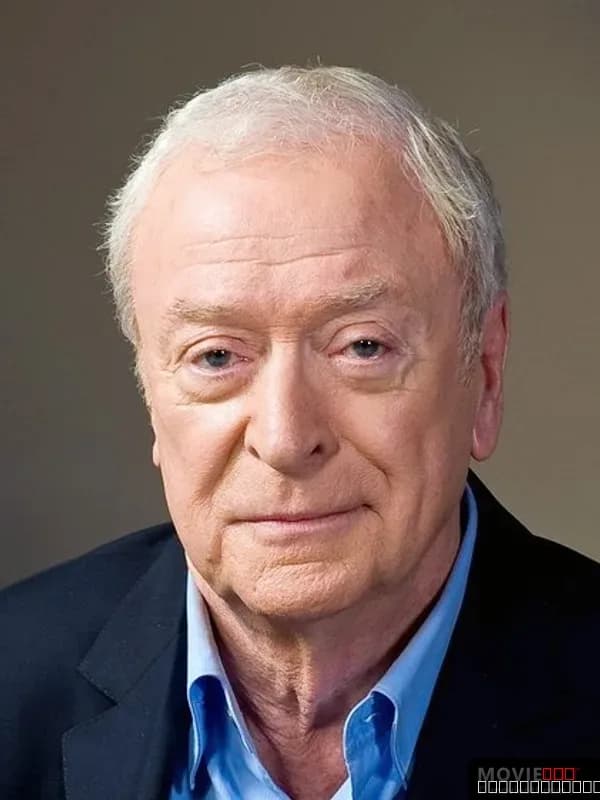
The cast assembled here carries serious pedigree. John David Washington, son of Denzel Washington, carries the film with a composed intensity that suits the Protagonist's enigmatic nature. Pattinson's turn as Neil surprised many who'd written him off after his Twilight years—he brings a roguish charm and genuine warmth to what could've been a thankless supporting role. Branagh's work as the villain is particularly noteworthy; he doesn't chew scenery but instead radiates a cold, calculated menace. Michael Caine appears in a smaller but crucial role, adding gravitas to the proceedings. The film earned a PG-13 rating, which itself is noteworthy for an action thriller of this scope and intensity.
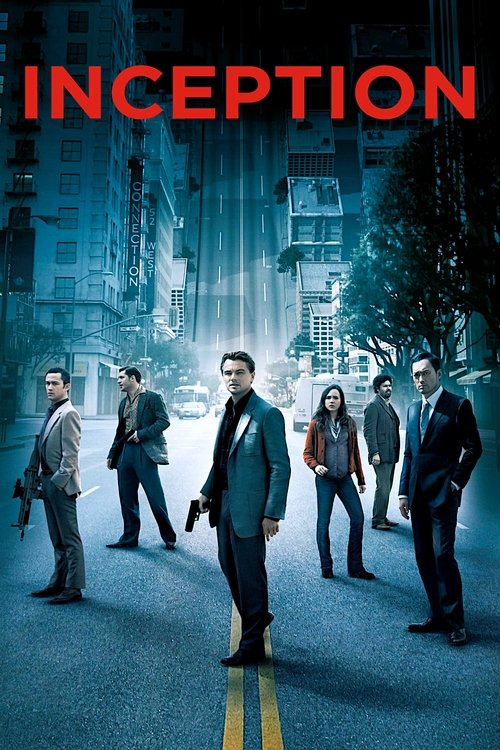
Box office performance tells part of the story. Tenet grossed over $365 million worldwide, a respectable figure given the theatrical climate, though it underperformed Nolan's previous blockbusters like Inception or The Dark Knight Rises. The film didn't capture the same cultural moment those films did, partly because it arrived at an uncertain time and partly because—well, we'll get to that.
What Makes Tenet Stand Out (and Where It Stumbles)
Here's the thing about Tenet: it's genuinely audacious in ways that deserve respect. Nolan takes the central conceit of time inversion—objects and people moving backward through time while everyone else moves forward—and builds entire action sequences around it. There's a moment midway through the film where the mechanics suddenly click into place, and you realize what you've been watching isn't superfluous visual trickery but an actual structural foundation for how the story unfolds. The set pieces are undeniably spectacular. A highway heist sequence, an inverted building infiltration, and a climactic temporal pincer movement showcase filmmaking ambition that's rare in contemporary blockbusters.
But—and this is a significant but—the film's greatest strength is also its most glaring weakness. The plot's complexity can feel deliberately obscure rather than elegantly layered. Some viewers found themselves struggling to understand what the basic goal actually was, let alone why they should care about the outcome. The sound mixing, particularly in dialogue scenes, drew widespread criticism; it's genuinely difficult to hear what characters are saying in several key moments, which compounds the already-demanding narrative. What's striking is that Nolan seems aware of the confusion—there's an almost defiant quality to how the film withholds clarity, as if demanding that audiences work harder than they're accustomed to.
The performances, though, remain consistently excellent. Washington brings a quiet competence and subtle charm to the Protagonist, making him someone worth following even when you're not entirely sure where you're going. Debicki gets the film's most emotionally resonant arc, and she commits fully to every moment of Kat's journey. Pattinson steals scenes effortlessly, and when the film finally reveals the full scope of Neil's role in the story, his earlier moments take on new weight. Movie OTT tracks where films like this are currently streaming, and Tenet's availability across platforms has given audiences multiple chances to revisit and reinterpret what Nolan was attempting.
Where to Stream Tenet Online
Tenet is currently available on both HBO Max and Netflix, making it accessible to a broad swath of subscribers. If you've got a membership to either platform, you can jump in without additional rental costs—though honestly, this is one where a second viewing might be necessary to catch everything you missed the first time around. The film's technical ambition (particularly the sound design) means it's best experienced on a solid home setup if you're not catching it in theaters. Movie OTT's Where to Watch widget at the top of this page will show you the most current availability across all major streaming services, so you'll know exactly where to find it right now.
Frequently Asked Questions
Q: Who directed Tenet?
Christopher Nolan wrote and directed Tenet, continuing his tradition of ambitious, high-concept blockbusters. Nolan also produced the film alongside his wife Emma Thomas.
Q: How long is Tenet?
Tenet runs for 150 minutes (two and a half hours), making it one of Nolan's longer films. That runtime is packed with plot, action, and temporal mechanics that demand your full attention.
Q: Is Tenet based on a true story?
No, Tenet is an original screenplay written by Nolan himself. The story of time inversion and international espionage is entirely fictional, though it draws on spy-thriller conventions.
Q: What's the IMDb rating for Tenet?
Tenet holds a 7.2/10 rating on IMDb, reflecting mixed but generally positive audience reception. Some viewers love its ambition; others find its complexity frustrating.
Q: Where can I watch Tenet right now?
You can stream Tenet on HBO Max and Netflix. Check the Where to Watch widget above to confirm current availability in your region.
Final Thoughts on Tenet
Tenet is a film that refuses to be easily categorized as a success or failure. It's simultaneously a stunning display of filmmaking ambition and a puzzle box that doesn't always reward the effort required to open it. If you're someone who thrives on complex narratives, practical action sequences, and filmmakers who trust their audience—you'll likely find something to admire here. If you prefer clarity and emotional directness, you might walk away frustrated. Either way, it's worth experiencing at least once. Nolan's willingness to challenge audiences, even when it doesn't entirely pay off, feels increasingly rare in contemporary cinema.