




The story of Terror of the Soul
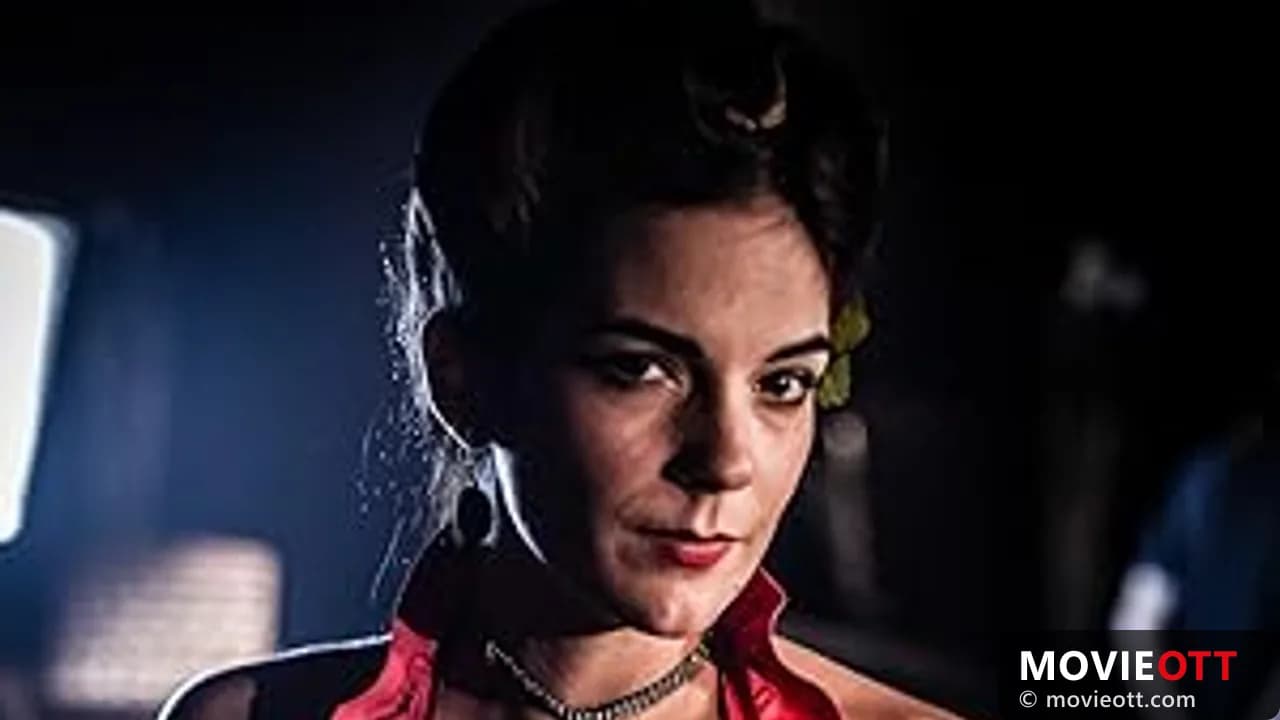
Terror of the Soul is a 2024 horror series that attempts to translate the psychological dread and gothic atmosphere of Edgar Allan Poe's most famous works into visual form. Rather than straightforward adaptation, the series takes an avant-garde approach—fragmenting narrative, warping time, and layering surreal imagery to capture the interior terror that Poe's prose evokes. The result is a project that doesn't ask viewers to follow a conventional plot so much as to experience a descent into the kind of mental anguish that haunted Poe's narrators and protagonists. The series draws from multiple Poe stories and poems, weaving them together thematically around isolation, guilt, obsession, and the dissolution of sanity. It's an ambitious swing at a difficult target.
Behind the making of Terror of the Soul
Terror of the Soul emerged as a passion project for filmmakers determined to honor Poe's legacy without simply remaking "The Tell-Tale Heart" or "The Fall of the House of Usher" yet again. The 2024 release marks a significant moment for Poe adaptations—a year that saw renewed interest in the author across streaming platforms and prestige television. Production involved assembling a cast and crew willing to embrace unconventional storytelling, which meant rehearsals built around mood and psychological exploration rather than traditional scene work. The production design prioritizes atmosphere over budget spectacle: decaying interiors, distorted sound design, and practical effects that emphasize discomfort over jump scares. While specific box office figures aren't available for this streaming-first release, the series has generated considerable discussion within horror communities and among Poe scholars, though not all of it has been positive. The show hasn't garnered major awards recognition, and critical consensus has been harsh—the IMDb rating of 2/10 reflects a significant divide between what the filmmakers intended and what audiences received. That disconnect itself becomes interesting when you're trying to understand what went wrong.
What makes Terror of the Soul divisive
Here's the thing about avant-garde horror: it demands patience and tolerance for discomfort that not every viewer brings to the table. Terror of the Soul doesn't explain itself. Scenes cut abruptly. Dialogue repeats. Chronology fractures. Some critics and viewers see this as pretentious—a project more interested in being difficult than being meaningful. Others argue it's precisely this refusal to coddle the audience that makes it worth engaging with, even if the execution falters. The performances walk a tightrope between naturalism and stylization; actors deliver lines with a flatness that could read as either intentional alienation or simply wooden acting, depending on your charitable interpretation. What's striking is that the series seems most effective when it leans hardest into pure atmosphere—long takes of empty rooms, sound design that makes you aware of your own breathing, moments where nothing happens but dread accumulates anyway. These passages work because they don't rely on plot. When the series tries to construct narrative coherence around its Poe source material, momentum stalls. You can track the frustration in viewer reviews: people came expecting horror, got experimental cinema, and felt misled. Movie OTT tracks current streaming availability for titles like this that often bounce between platforms, and the fact that Terror of the Soul landed on major OTT services suggests someone believed in its potential reach—even if that gamble didn't pay off commercially or critically.
Where to stream Terror of the Soul online
Terror of the Soul is currently available across major OTT services, which means you've likely got access through at least one subscription you already pay for. The film's distribution across multiple platforms reflects the streaming-first strategy common for prestige horror projects that might struggle in theatrical release. Check the Where to Watch widget at the top of this page to see which services carry it in your region—availability shifts regularly, and Movie OTT keeps that information current so you don't waste time searching. If you're curious enough to take the plunge, streaming lets you pause, rewind, and process at your own pace, which honestly might be the ideal way to experience something this deliberately paced and visually dense.
Frequently asked questions
Q: Is Terror of the Soul based on Edgar Allan Poe's actual stories?
Yes. The series draws from multiple Poe works—poems, short stories, and themes that recur throughout his body of writing. Rather than adapting one story directly, it weaves together elements thematically around obsession, guilt, and psychological unraveling.
Q: What's the IMDb rating for Terror of the Soul?
The series has an IMDb rating of 2/10, indicating significant audience disapproval. This low score reflects the disconnect between the filmmakers' avant-garde ambitions and viewer expectations for conventional horror storytelling.
Q: Who should watch Terror of the Soul?
Viewers interested in experimental cinema, Poe scholarship, or horror that prioritizes atmosphere over plot mechanics might find something to engage with. It's not for people seeking traditional narrative satisfaction or conventional scares.
Q: Why is Terror of the Soul so divisive?
The series' avant-garde approach—fragmented editing, non-linear narrative, stylized performances—alienates viewers expecting traditional horror. Some see artistic courage; others see pretension without payoff.
Q: How long is Terror of the Soul?
It's a series rather than a standalone film, though specific episode counts and total runtime vary by platform. Check your streaming service for exact details.
Final thoughts on Terror of the Soul
Terror of the Soul won't be for everyone—honestly, it wasn't for most people, judging by those ratings. But there's something almost admirable about a project this willing to fail in pursuit of something genuinely unsettling. The series commits to its vision even when that vision doesn't cohere, and there's a difference between ambitious failure and lazy mediocrity. If you've exhausted conventional horror and want something that'll make you uncomfortable in ways you can't quite articulate, it's worth a look. Just go in knowing what you're signing up for: not a story, but an experience. An unpleasant one, by design.