









The Story of How Tetris Escaped the Soviet Union
It's 1988. A humble video game called Tetris has just emerged from behind the Iron Curtain—simple, hypnotic, and utterly addictive. American salesman Henk Rogers discovers it at an electronics show and sees something nobody else does: a phenomenon waiting to happen. What follows isn't a quiet licensing deal. It's a dangerous, labyrinthine race against time that pulls him into a web of lies, corporate greed, and Cold War politics that he never signed up for. The film doesn't just tell you about Tetris; it becomes Tetris—a game of strategy, risk, and impossible choices where one wrong move costs everything.
Director Jon S. Baird and writer Noah Pink transform what could've been a dry corporate story into something that actually grips you. The tagline says it best: "The game you couldn't put down. The story you couldn't make up." And they mean it. Rogers must navigate between Japan (where Nintendo holds the console rights), the United States (where lawyers circle like sharks), and Russia (where a communist regime doesn't exactly play by Western rules). Every border crossing, every handshake, every contract becomes a potential trap. What's striking is how the film treats this material—not as a footnote in gaming history, but as legitimate international thriller territory.
Behind the Making of Tetris: Cast, Production, and Critical Acclaim
Taron Egerton carries the film as Henk Rogers, and he's perfectly cast: charming enough to make you believe he could talk his way into a Soviet boardroom, desperate enough that you feel his panic when deals start to crumble. The supporting cast—Nikita Efremov as Alexey Pajitnov (the game's creator), Sofia Lebedeva, and Anthony Boyle—grounds the story in real human stakes rather than letting it drift into pure espionage fantasy. Marv, AI Film, Unigram, and Cloudy Productions bankrolled the project, bringing the kind of production value you'd expect from a major streaming play.
The film runs 118 minutes and carries an R rating, though not for graphic violence—it's the tension, the lying, the moral compromises that earn that badge. Critics and audiences have embraced it warmly: Rotten Tomatoes sits at a fresh 81%, while the IMDb community gave it a solid 7.4 out of 10 from over 105,000 votes. Metascore pegged it at 61, which is respectable for a true-story thriller that doesn't pretend to be prestige drama. The film earned five award nominations, recognition that you don't hand out for a simple biopic—this one had teeth.
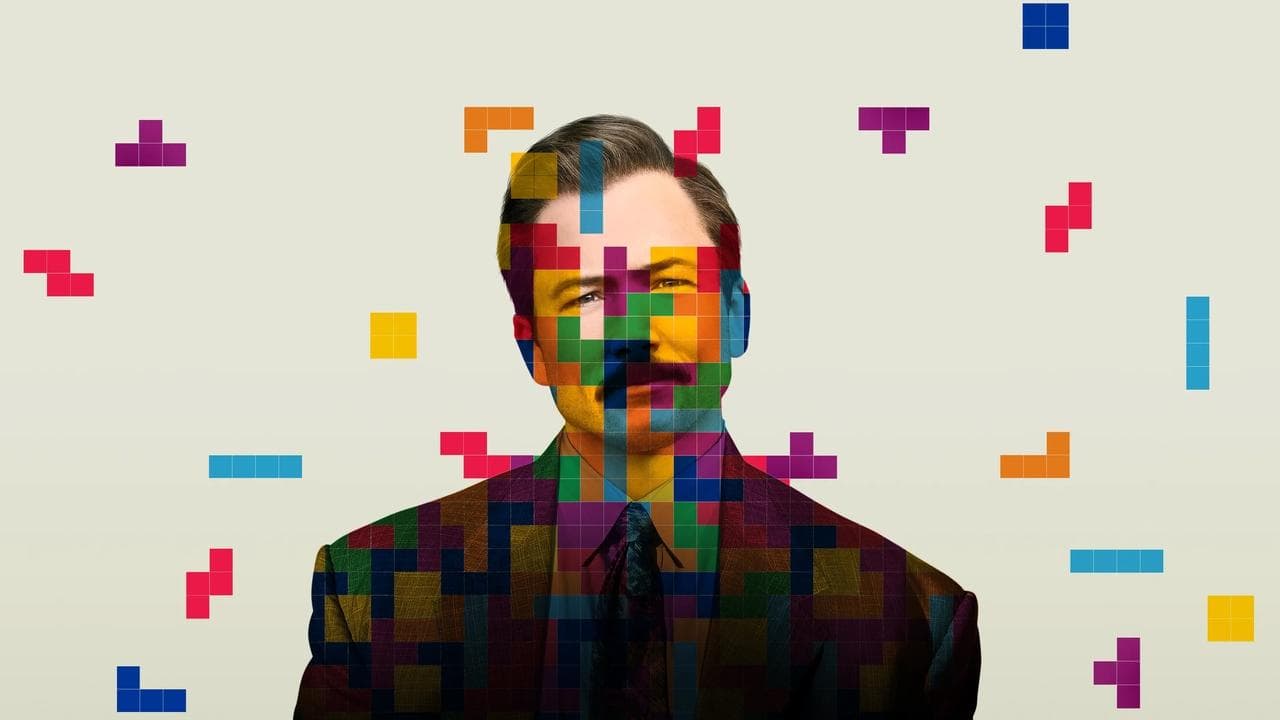
What really sets the production apart is the visual language. Baird doesn't just show you the 1980s; he lets the era seep into every frame, and those pixelated transitions? They're not gimmicks. They're a constant reminder that we're watching a story about a video game that changed the world, and the filmmakers never let you forget it. The iconic Tetris theme weaves through the soundtrack, becoming almost a character itself—a reminder of what's at stake.
Why Tetris Works: The Performances, the Tension, and the Unexpected Humor
Here's what you don't expect: a movie about video game licensing to be genuinely funny. But Baird and Pink understand that the absurdity is the story. A salesman trying to convince a Soviet bureaucracy to hand over intellectual property during the Cold War? That's not just tense—it's darkly comic. Egerton nails the tonal balance, playing Rogers as a man who's in over his head but too stubborn (or too ambitious, depending on your read) to admit it. Watch the scene where he's trying to explain the concept of a handheld Tetris game to people who've never seen one—it's both hilarious and genuinely claustrophobic.
What makes the film stand out isn't just the performances, though. It's that it doesn't shy away from showing you how messy and morally gray the real world actually is. Nobody here is a clear villain. Rogers isn't a saint. The Soviet officials aren't cartoonish bad guys. Nintendo isn't purely evil. Everyone's just trying to win, and that's what makes it human. The film respects your intelligence enough to let you sit with that complexity—and honestly, that's rarer than it should be in streaming cinema.
The critical consensus picked up on this right away. Variety reported that the film "balances comedy and tension in ways that keep you guessing," and that's the real trick Baird pulls off. You can't predict what's coming next because the stakes keep shifting. Is Rogers going to get the deal? Can he trust his partners? What happens when the Soviet creator wants something different than the American corporations? These aren't rhetorical questions—the film genuinely makes you wonder, right up until the credits roll (and there's a stinger that'll make you smile).
Where to Watch Tetris Online
Tetris is available across major OTT services, and you can check the "Where to Watch" widget at the top of this page to see exactly which platforms are currently streaming it in your region. Streaming availability shifts, so Movie OTT keeps a live tracker of where this film lives across Netflix, Prime Video, and other major services—it's worth checking before you settle in, since licensing agreements change faster than you can say "Tetris."
If you're planning a weekend watch, grab your phone or tablet and see what's available right now. The 118-minute runtime means it won't eat your whole evening, and the pacing is tight enough that you won't find yourself reaching for your other screen halfway through. That's not always a given with streaming films.
Frequently asked questions
Q: Is Tetris based on a true story?
Yes. The film dramatizes real events from the late 1980s when American salesman Henk Rogers raced to secure the handheld console rights to Tetris from Soviet Russia during the Cold War. While the filmmakers took some creative liberties for narrative purposes, the core story—the corporate battles, the geopolitical tension, the stakes—actually happened.
Q: Who directed Tetris?
Jon S. Baird directed the film from a screenplay by Noah Pink. Baird brought a thriller sensibility to material that could've been dry, treating the licensing wars like an international espionage story rather than a corporate boardroom drama.
Q: What's the runtime and rating?
Tetris runs 118 minutes and is rated R. The rating reflects language, some intense situations, and thematic content rather than graphic violence—it's a tense, grown-up thriller about lies and corruption, not a kids' movie about a video game.
Q: Where can I watch Tetris?
Tetris is currently available on major streaming platforms. Check the "Where to Watch" widget on this page to see which services have it in your region right now, since availability varies by location and changes over time.
Q: What do critics think of Tetris?
The film earned an 81% on Rotten Tomatoes, a 7.4 on IMDb, and a 61 on Metascore. It received five award nominations and was praised for balancing tension, humor, and historical intrigue without sacrificing character or intelligence.
Final Thoughts on Tetris
Tetris is one of those rare streaming films that justifies the medium—it's got the budget and craft of a theatrical release, the narrative ambition of prestige television, and the pacing of a thriller that doesn't waste a second. You don't need to be a gamer to care about this story. You just need to care about people caught in impossible situations, trying to win a game where the rules keep changing. Egerton's performance, Baird's direction, and Pink's script all pull their weight. If you haven't seen it yet, don't sleep on this one.