







The story of The Alamo: Legend versus history at the mission
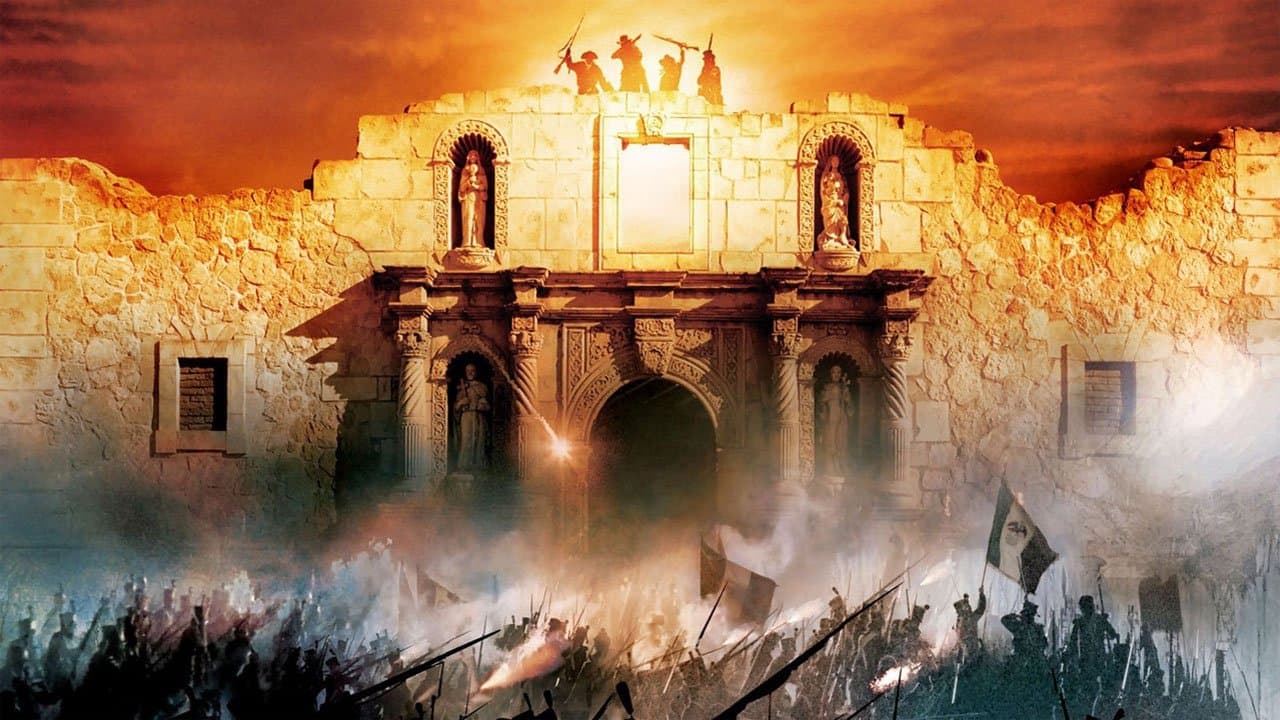
When you think of the Alamo, you're probably picturing something close to myth—brave Texans making a last stand against overwhelming odds, names like Davy Crockett and Jim Bowie etched into American folklore. John Lee Hancock's 2004 film The Alamo tries to crack that legend open and show you what might've actually happened during the 1836 siege. The story centers on a diverse group of Texan and Tejano defenders holed up in a San Antonio mission, facing down Mexican dictator Santa Anna's massive army. But this isn't your grandfather's heroic tale. Hancock and his co-writers—Stephen Gaghan and Leslie Bohem—wanted to explore the messy, uncertain reality: the political tensions, the egos clashing, the moral ambiguities that don't fit neatly into a John Wayne monument.
Behind the making of The Alamo: Production, cast, and the weight of expectation
The Alamo arrived as an Imagine Entertainment and Touchstone Pictures production with serious pedigree behind it. The ensemble cast brought heavyweight talent: Dennis Quaid as Sam Houston, Billy Bob Thornton as Davy Crockett, Jason Patric as Jim Bowie, and Patrick Wilson as William B. Travis, the young colonel trying to hold the garrison together. Emilio Echevarría took on Santa Anna, while Jordi Mollà played Juan Seguín, the often-overlooked Tejano leader whose perspective the film wanted to center (a choice that showed Hancock's awareness of how Texas history had sidelined Mexican-American voices). The film's 137-minute runtime signals ambition—Hancock wasn't interested in a quick, punchy war movie. He wanted space to breathe, to show character, to let you sit with the dread of a siege you know will end badly. That decision, though, would become one of the film's most divisive elements. The production aimed for historical texture and moral complexity over spectacle, which meant slower pacing and less conventional heroics than audiences accustomed to action-heavy war films might've expected.
What makes The Alamo stand out: Earnest revisionism meets uneven execution
What's striking about The Alamo is how it refuses the easy narrative. Rather than painting Travis as a clear-eyed hero, Wilson portrays him as somewhat inept, struggling to command men who don't necessarily respect his authority—a choice that's genuinely interesting, even if it doesn't always land. Thornton's Crockett isn't the frontier legend you know; he's a man aware his moment is passing, caught between myth-making and mortality. The film wants you to see the siege not as a glorious last stand but as a tragedy born partly from stubbornness, partly from political calculation, partly from the chaotic collision of empires. That's ambitious. That's also why some viewers found it frustrating—the revisionism works better on the page than it does on screen, partly because the direction doesn't always know whether it's making a character study or a war epic. The action sequences, when they come, are chaotic by design (meant to convey the confusion of battle), but the camera work doesn't quite pull it off; it just looks messy. The score, too, has drawn criticism for being overly sentimental, undercutting the film's attempt to avoid melodrama. Still, there's something admirable in the film's refusal to give you what you expect. One reviewer noted that The Alamo sits in "the murky middle ground where legend and history meet," and that's not a bad description of what Hancock was reaching for—even if the execution doesn't always justify the ambition.
Where to stream The Alamo online: Finding the film across major platforms
The Alamo is currently available on major OTT services, and if you're hunting for where exactly it's streaming right now, Movie OTT tracks availability across all the major platforms in real time—so you won't waste time searching. The film's 137-minute runtime means you'll want to carve out some dedicated viewing time, but it's the kind of historical drama that works better when you're not multitasking. Check the "Where to Watch" widget at the top of this page to see which services have it in your region, since availability shifts seasonally. Whether you're a Texas history enthusiast or just curious about how modern filmmakers approach legendary battles, streaming makes it easy to dip in without the commitment of a theatrical ticket.
Frequently asked questions
Q: Is The Alamo based on a true story?
Yes. The film dramatizes the 1836 Battle of the Alamo during the Texas Revolution, when a garrison of Texan and Tejano fighters defended the mission against Santa Anna's Mexican forces. While the broad strokes are historical, the script takes creative liberties with dialogue, character motivation, and certain plot details.
Q: Who directed The Alamo?
John Lee Hancock directed the film and co-wrote the screenplay alongside Stephen Gaghan and Leslie Bohem. Hancock has since become known for historical dramas like The Founder and The Straight Story.
Q: How long is The Alamo?
The film runs 137 minutes, which is substantial for a war movie. That extended runtime was intentional—Hancock wanted time to develop character and explore the political tensions beneath the siege, rather than rush to action.
Q: How does The Alamo compare to the 1960 John Wayne version?
The 2004 film takes a more revisionist, less mythologizing approach than Wayne's classic. It tries to complicate the heroes and show the moral ambiguities of the siege, whereas the 1960 version leans more into straightforward heroism. Neither film is "correct"—they're just different interpretations of the same historical event.
Q: What's the IMDb rating for The Alamo?
The film holds a 5.779/10 rating on IMDb, reflecting mixed audience reactions. Some viewers appreciated its historical ambition; others found it slow and underdeveloped.
Final thoughts: Who should watch The Alamo
If you're a Texas history buff or someone interested in how filmmakers wrestle with legend, The Alamo is worth your time—even if it doesn't entirely succeed. The performances carry genuine weight, and the film's refusal to simplify its characters into heroes and villains is admirable. It's not a perfect film; the pacing drags, the action feels confused, and the score occasionally undercuts what the story's trying to do. But there's integrity in the attempt. You'll come away thinking about the Alamo differently, which is more than most historical dramas manage.