







The Story of The Atticus Institute
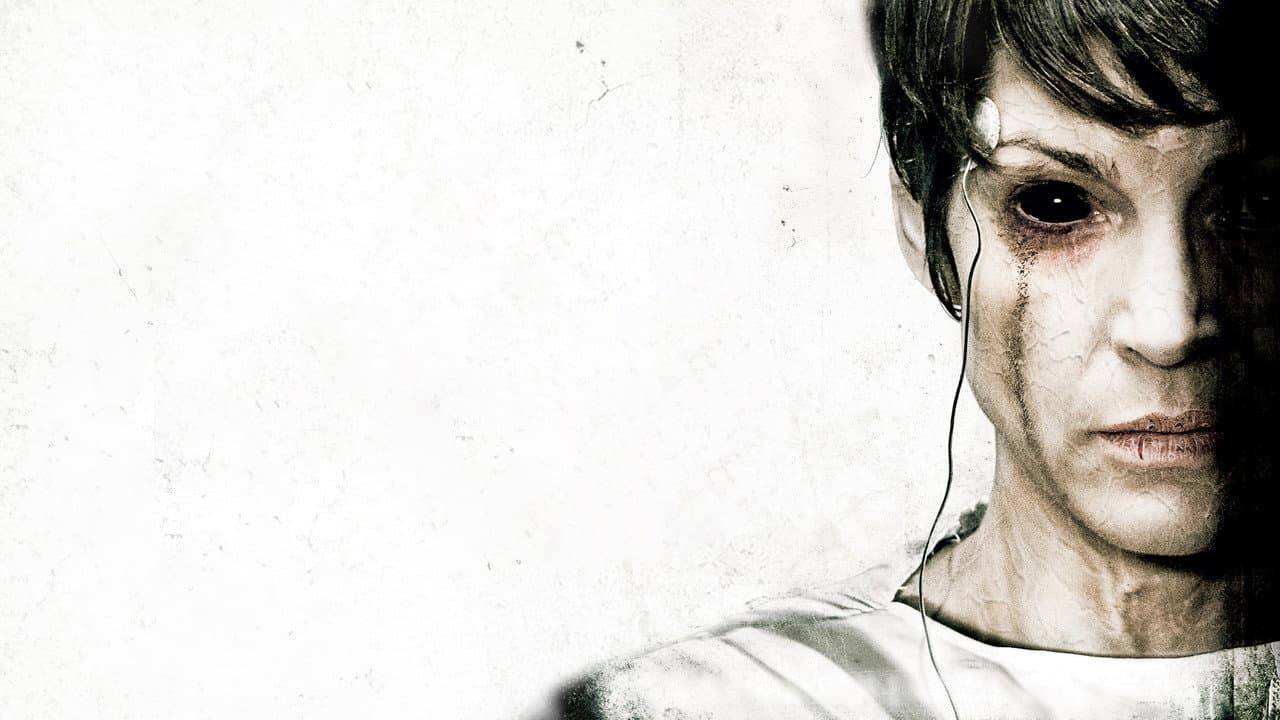
The Atticus Institute frames itself as a declassified documentary—or at least, what remains of one. Set in the early 1970s, the film follows Dr. Henry West, who establishes a research facility dedicated to identifying and studying people with genuine paranormal abilities. It's a period when government agencies were genuinely curious about the unexplained, when cold war paranoia mixed with genuine scientific inquiry. The turning point arrives when Judith Winstead walks through the institute's doors. She doesn't come seeking help. She comes because something's already inside her—and what unfolds over the course of 92 minutes is a descent into institutional horror that blurs the line between legitimate research and weaponized exploitation.
What makes The Atticus Institute distinct isn't just the possession narrative itself; it's the bureaucratic machinery surrounding it. The film doesn't position the supernatural as the only threat. The real horror lives in how institutions respond to the unknown—how they classify it, compartmentalize it, and inevitably, try to control it. Judith becomes less a person and more a phenomenon to be documented, interrogated, and ultimately, weaponized by military interests lurking at the institute's periphery.
Behind the Making of The Atticus Institute
Written and directed by Chris Sparling, The Atticus Institute emerged from the independent horror space in 2015 with modest ambitions and a clever structural conceit. Sparling's approach—framing the narrative as recovered archival footage, interviews, and classified documents—taps into the found-footage aesthetic that dominated horror in the 2010s, though with a pseudo-documentary veneer that gives it a different texture than typical handheld chaos. The film was produced by Poznan Film Group and The Safran Company, outfits known for supporting genre work outside the studio system.
The production's TV-14 rating is notable; it's not a hard-R descent into graphic violence but rather a psychological slow-burn that relies on implication and institutional dread rather than gore. That restraint actually works in its favor—what you don't see becomes more unsettling than what you do. The film didn't generate significant box-office noise (it's an independent horror release, after all), but it found traction on cable and streaming platforms, where its documentary framing and period setting gave it a second life. On the critical metrics front, Rotten Tomatoes holds it at 40% (Rotten), while IMDb sits at a 5.5/10 from over 10,000 votes—middling scores that reflect a film that works for some viewers and leaves others cold.
What Makes The Atticus Institute Stand Out
Here's the thing nobody mentions: the documentary framing actually saves this film from its own pacing problems. Because we're watching "declassified footage," we're primed to accept gaps, repetition, and the kind of institutional language that would normally bore us to tears. Instead, that bureaucratic tone becomes part of the horror. Interviews with former staff members, redacted memos, and the grainy quality of 1970s-era footage all conspire to create a sense of authenticity—or at least, plausible verisimilitude—that straight narrative filmmaking might not achieve.
What's striking is how the film treats Judith's supernatural abilities with a kind of scientific curiosity before the dread sets in. Early sequences show her demonstrating telekinetic feats, and there's an almost clinical fascination to how the institute documents these moments. The tension doesn't come from jump scares; it comes from watching institutional machinery grind into motion around a woman who can't consent to what's happening to her. The performances anchor this approach—the cast plays it straight, treating the material as serious investigative work rather than horror-movie theatrics. One viewer noted that "framing it as a legitimate documentary helped it," and that's exactly the point. The format is the film's greatest asset.
That said, the film's limitations are real. The lack of dynamic cinematography, the confined settings, and the reliance on talking-head interviews can feel static—especially in a 92-minute runtime that sometimes feels longer. Some viewers struggle with the pacing, and I won't pretend the film doesn't have stretches where momentum stalls. But if you're willing to meet it on its own terms—as a slow-burn institutional horror wrapped in the language of declassified government records—there's something genuinely unsettling about it.
Where to Stream The Atticus Institute Online
The Atticus Institute is available across major OTT services, and you can check the "Where to Watch" widget at the top of this page to see which platforms currently carry it in your region. Streaming availability shifts regularly, so Movie OTT tracks these changes across Netflix, Prime Video, Hulu, and other major platforms to help you find exactly where to stream it right now. Because it's an independent horror film from 2015, it tends to rotate between services rather than anchor one permanently—which makes the aggregator approach especially useful. The 92-minute runtime makes it a commitment-friendly watch; you can finish it in a single evening without the obligation of a longer series.
Frequently Asked Questions
Q: Is The Atticus Institute based on a true story?
No, it's a fictional narrative designed to look like a declassified documentary. While the film invokes real historical contexts—government paranormal research programs did exist during the Cold War—Judith Winstead and the Atticus Institute itself are creations of screenwriter Chris Sparling. The pseudo-documentary framing is intentionally ambiguous, which is part of what makes it effective.
Q: Who directed The Atticus Institute?
Chris Sparling wrote and directed the film. He's also known for his work on the thriller Buried (2010) and his writing on the TV series Yellowjackets, so he brings a background in contained, psychologically tense narratives to this paranormal project.
Q: What's the runtime, and is it rated?
The Atticus Institute runs 92 minutes and carries a TV-14 rating, making it accessible to older teens and adults. It's not a gore-heavy horror film; the scares come from atmosphere and psychological tension rather than graphic content.
Q: Why is the film called a "pseudo-documentary"?
Because it uses the visual language and structure of a real documentary—archival footage, interviews, redacted documents—but tells a fictional story. This framing device is central to how the horror works; it creates a false sense of authenticity that makes the supernatural elements feel more credible.
Q: What's the critical consensus on The Atticus Institute?
Reviews are mixed. It holds a 40% on Rotten Tomatoes and a 5.5/10 on IMDb, reflecting a film that works for viewers who appreciate slow-burn institutional horror but frustrates those looking for traditional scares or faster pacing. The documentary framing is either its greatest strength or its biggest liability, depending on your tolerance for the format.
Final Thoughts on The Atticus Institute
The Atticus Institute isn't a film for everyone—and that's okay. It's a deliberate, slow-moving institutional horror that asks you to sit with discomfort rather than jump in your seat. If you're drawn to paranoid thrillers, Cold War aesthetics, or horror that trusts the audience to fill in the gaps, it's worth your time. The 1970s setting, the documentary framing, and the psychological angle on possession offer something different from the typical found-footage fare. Stream it on a weeknight when you're in the mood for something that lingers rather than explodes.