

The story of The Benefactor and its exploration of guilt
The Benefactor tells the story of an eccentric philanthropist living with the weight of past misdeeds, searching for a path to redemption through financial generosity. When a young newlywed couple crosses his path, he sees an opportunity—or perhaps a compulsion—to pour money and attention into their lives, convinced that his patronage might somehow absolve him of old sins. What unfolds is a psychological examination of whether guilt can be purchased away, and what happens when one person's need for atonement collides with another person's right to independence. The film's central tension hinges on this uncomfortable dynamic: the couple's gratitude becomes entangled with the benefactor's desperation, and his gifts come with invisible strings attached.
Behind the making of The Benefactor and its film festival journey
Director Andrew Renzi wrote and helmed The Benefactor, a character-driven drama that premiered at the Tribeca Film Festival on April 17, 2015, before finding wider release through Samuel Goldwyn Films. The film arrived in limited theatrical and video-on-demand formats on January 15, 2016. Richard Gere anchors the ensemble cast alongside Dakota Fanning, Theo James, Dylan Baker, Cheryl Hines, and Brian Anthony Wilson—a lineup that suggests serious dramatic ambitions. The film wasn't rated by the MPAA, which allowed Renzi creative freedom with content but also signaled a smaller, more independent production footprint. While the film didn't break box office records or dominate awards conversations, it earned one win and two nominations at various festivals, acknowledging Renzi's directorial effort and the ensemble's work. What's striking is how much weight Gere carries here—this is very much a one-man show, for better or worse.
What makes The Benefactor stand out and where performances anchor the narrative
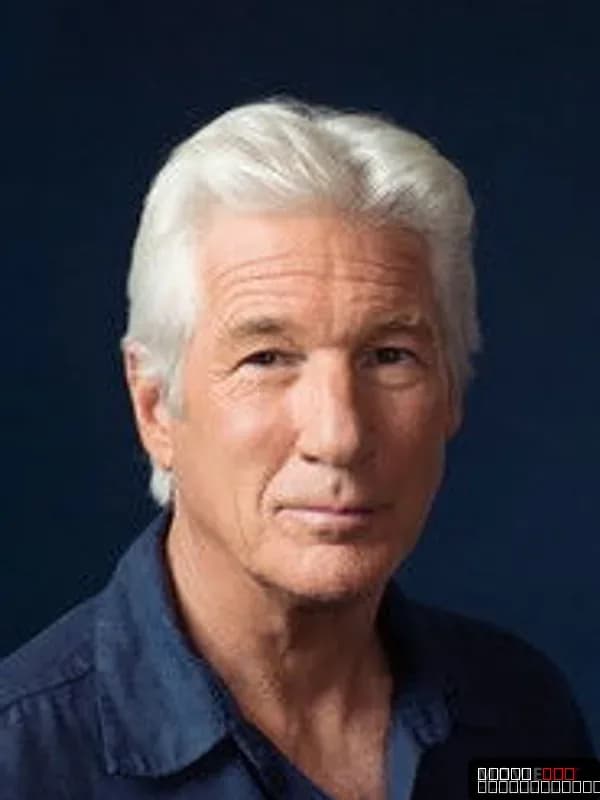
Gere delivers the kind of nuanced, restrained performance that only an actor of his caliber can manage—someone living in a permanent state of internal anguish, trying to mask it with charm and checkbooks. The thing nobody mentions is how exhausting it must be to play someone whose every gesture is calculated toward manipulation, even when that person doesn't fully realize it themselves. His character isn't a villain; he's a man trapped in his own psychology, and Gere captures that trap without ever winking at the audience. The supporting cast—particularly Fanning and James as the young couple—work to ground the film in emotional reality, even as critical reception proved mixed. On Rotten Tomatoes, The Benefactor landed at 26%, while Metascore rated it 40/100, suggesting that critics found the premise more interesting than the execution. IMDb users gave it 5.2 out of 10 from over 5,400 votes, indicating that general audiences found it a difficult watch. Reviewers noted that while Gere's performance was genuinely compelling, the screenplay itself felt thin—a character study that didn't quite dig deep enough into the psychology it seemed to promise. The film can't escape the sense that it's spinning its wheels, repeating the same dynamic of guilt, generosity, and awkwardness without ever breaking through to something larger.
Where to stream The Benefactor across multiple platforms
If you're curious about experiencing The Benefactor for yourself, the film has found a surprisingly robust home across streaming services. You can watch it on Amazon Prime Video (both free with ads and with ads tiers), Hulu, Peacock, Peacock Premium Plus, Pluto TV, The Roku Channel, and Tubi TV if you're looking for ad-supported options. For purchase or rental, it's available through Apple TV Store, Google Play Movies, YouTube, Fandango At Home, and Rakuten TV. International viewers will find it on various regional platforms including Filmin, FlixOlé, FOD, Joyn, Netzkino, MagentaTV, and Sky Store. The wide distribution across Movie OTT tracked platforms reflects how indie dramas from the mid-2010s have found second lives in the streaming era—films that didn't connect theatrically often find more patient audiences when they can be discovered at home. Check the Where to Watch widget at the top of this page to see current availability in your region, since streaming rights shift frequently.
Frequently asked questions
Q: Who directed The Benefactor?
Andrew Renzi wrote and directed The Benefactor. It was his feature directorial debut, which premiered at the Tribeca Film Festival in April 2015 before its wider release in January 2016.
Q: Where can I watch The Benefactor online?
The Benefactor is available on numerous streaming platforms including Amazon Prime Video, Hulu, Peacock, Pluto TV, Tubi TV, and The Roku Channel, as well as digital purchase options through Apple TV, Google Play, and YouTube. Movie OTT tracks all current streaming availability—check the widget above for your specific region.
Q: Is The Benefactor based on a true story?
No, The Benefactor is an original screenplay written by director Andrew Renzi. It's a fictional exploration of guilt, redemption, and the complications that arise when wealth becomes a tool for absolution.
Q: What is the runtime of The Benefactor?
The film runs 92 minutes, making it a relatively lean drama that moves quickly through its psychological territory without unnecessary padding.
Q: What's the critical consensus on The Benefactor?
Critics were divided. While Richard Gere's performance earned praise for its subtlety and restraint, the film's script and pacing received mixed reviews. It holds a 26% rating on Rotten Tomatoes and a 40 Metascore, suggesting that while the concept intrigued some viewers, the execution fell short for many.
Final thoughts on The Benefactor
The Benefactor works best if you're drawn to character studies and patient, slow-burn narratives that prioritize psychological complexity over plot momentum. It's not a crowd-pleaser, and it doesn't pretend to be. Richard Gere's performance alone makes it worth a viewing if you're interested in seeing a veteran actor inhabit a morally ambiguous character with precision and restraint. The film's exploration of how wealth can become both a gift and a weapon—how generosity can mask manipulation—remains relevant. But don't expect fireworks or dramatic breakthroughs. What you're getting is a modest, introspective drama that trusts its lead actor to carry the weight. Sometimes that's enough. Sometimes it isn't.