







The story of The Big Town: Ambition meets peril in 1957
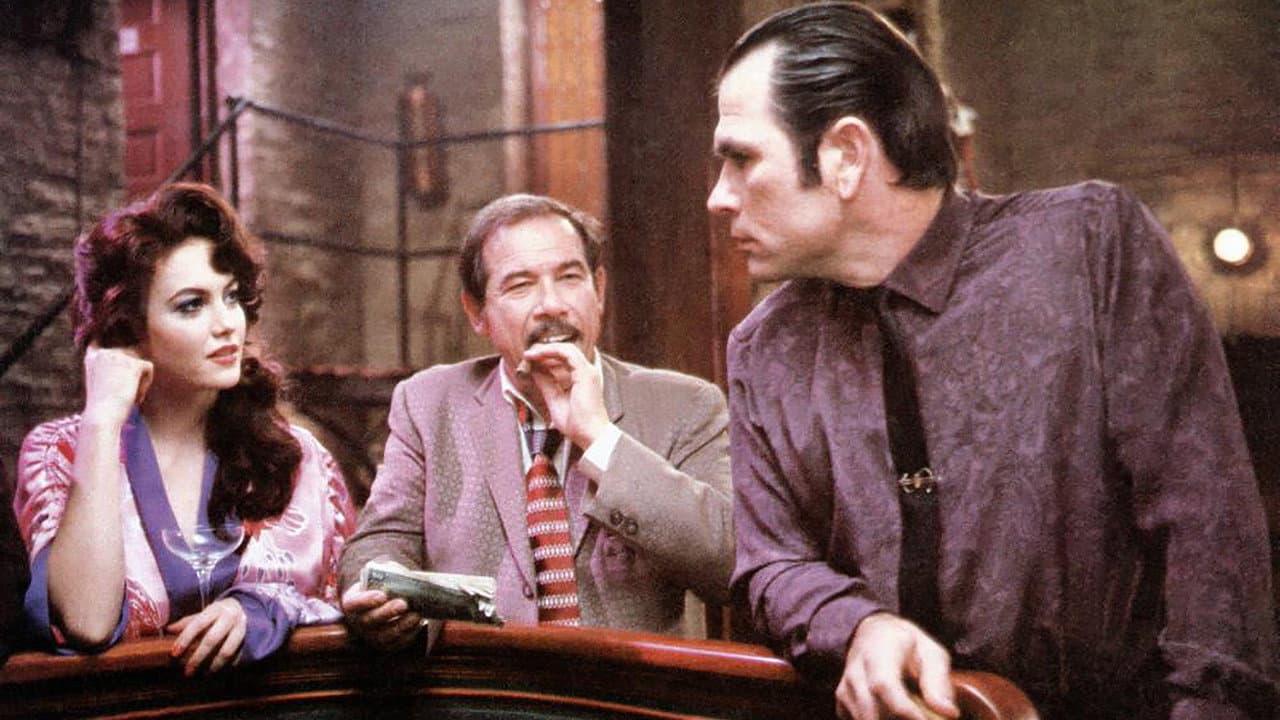
The Big Town opens on J.C. Cullen, a young man from nowhere with an almost supernatural gift for rolling dice. He arrives in the big city in 1957 with one goal: make his fortune as a professional gambler. What he finds instead is a world where luck is currency, danger is proximity, and the line between winning and losing gets thinner every night. At the Gem Club—a private, high-stakes gambling den owned by the ruthless George Cole—Cullen breaks the bank at craps, a triumph that should've been his ticket to easy money. But breaking the bank means breaking an unwritten code. And when he falls for two women (one of them Cole's wife), he's not just risking his winnings. He's risking his life. The film doesn't shy away from the fact that Cullen's talent, his charm, his sheer luck—they're all about to become liabilities in a city that doesn't forgive arrogance.
Behind the making of The Big Town: Production, cast, and the weight of expectation
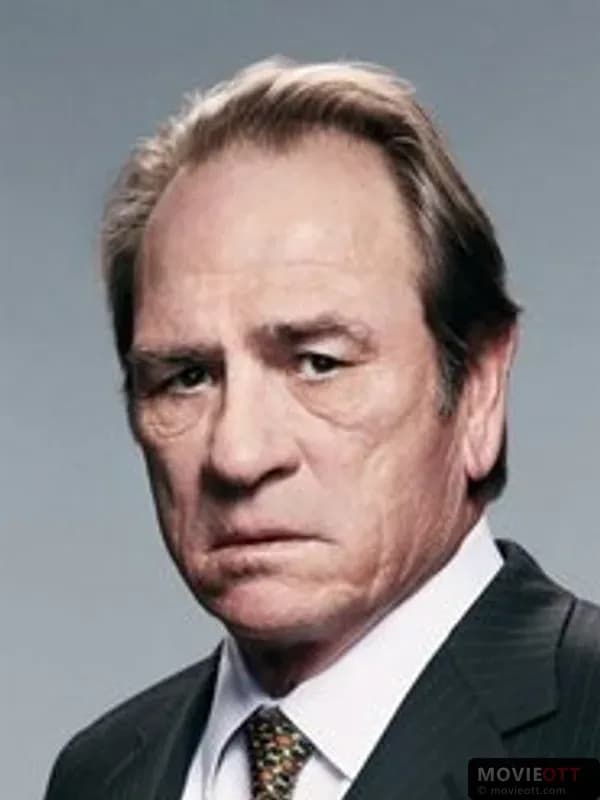
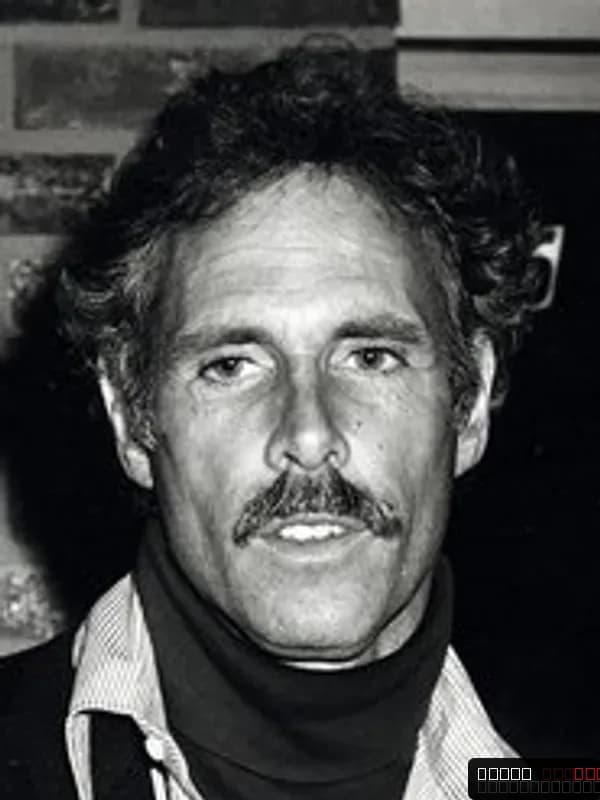
The Big Town arrived in 1987 as a Columbia Pictures release under the banner of Albacore Productions, directed by Ben Bolt with uncredited work from Harold Becker, a veteran noir craftsman whose fingerprints are all over the film's darker moments. The runtime clocks in at 109 minutes—lean enough to keep momentum, long enough to let tension simmer. The casting was the real draw. Matt Dillon, fresh off his breakout in the mid-80s, plays Cullen with a mix of cockiness and underlying desperation that works because you believe he's both lucky and doomed. Diane Lane brings intelligence and danger to the role of the woman caught between her husband's world and her own desires, while Tommy Lee Jones—who'd already proven his range in everything from Coal Miner's Daughter to The Executioner's Song—grounds the film with a presence that makes you forget he's playing the villain. The film didn't become a box-office phenomenon, and critics were mixed, but Movie OTT has tracked its steady presence on streaming platforms, where it's found a quiet cult following among viewers who appreciate neo-noir without the pretension. The ensemble cast's willingness to play it straight—no winking, no irony—is what separates this from the pastiche noir that was everywhere in the late 80s.
What makes The Big Town stand out: Performance and the seduction of risk
What's striking about The Big Town is how seriously it takes its own premise. This isn't a heist film masquerading as noir, and it's not trying to be clever about the gambling world—it's genuinely interested in the psychology of someone who can't stop, won't stop, even when stopping is the only rational move. Dillon's Cullen isn't charming in the way a con artist is; he's charming because he believes his own luck, and that's a much more dangerous thing. The supporting performances don't overshadow him—they orbit him, creating pressure from all sides. Tommy Lee Jones, in particular, plays Cole not as a cartoon heavy but as a man whose power is so absolute that he barely needs to raise his voice. There's a scene where Cole simply watches Cullen lose money at the tables, and you can feel the calculation happening behind his eyes. It's the kind of moment that reminds you why Jones became one of the most reliably magnetic actors of his generation. I keep coming back to how the film refuses to let Cullen off easy. He's not a hero learning a lesson; he's a guy who's good at one thing, and that one thing is destroying him. The romance elements—and there are two of them, which complicates everything—don't feel grafted on. They feel like the inevitable collision of someone who thinks he's invincible with people who know better.
Where to stream The Big Town online: Availability across major platforms
The Big Town is currently available on major OTT services, and you can check the Where to Watch widget at the top of this page to see which platform is streaming it in your region right now. Availability shifts, so Movie OTT tracks current streaming data across Netflix, Prime Video, and other major services to save you the hunt. If you're a fan of neo-noir or 80s drama, it's worth the search—the film's 109-minute runtime means it won't demand a huge time commitment, and the performances alone justify a watch. Whether you're subscribed to one service or juggling several, there's a good chance you'll find it somewhere.
Frequently asked questions
Q: Who directed The Big Town?
Ben Bolt directed the film, with uncredited work from Harold Becker. Becker's influence shows in the film's darker, more shadowy moments and its refusal to soften the moral ambiguity of the central characters.
Q: Is The Big Town based on a true story?
No, The Big Town is a fictional narrative set in the 1957 gambling underworld. The story was created specifically for film and doesn't draw from a particular real-world event or person, though it captures the historical texture of that era's underground gambling scene.
Q: What's the runtime of The Big Town?
The film runs 109 minutes, which is a tight runtime for a drama-thriller. It moves without feeling rushed, though the pacing does accelerate as tensions mount in the second half.
Q: Who stars in The Big Town?
Matt Dillon leads as J.C. Cullen, with Diane Lane and Tommy Lee Jones in supporting roles that carry enormous dramatic weight. The ensemble cast elevates what could've been a standard noir into something more layered and human.
Q: What's the IMDb rating for The Big Town?
The film holds a 5.492/10 rating on IMDb, which reflects the mixed critical reception it received upon release. However, ratings don't always capture cult appeal or the way a film can grow in appreciation over time.
Final thoughts on The Big Town: Who should watch it
The Big Town isn't a masterpiece, and it doesn't pretend to be. What it is, though, is honest—about ambition, about the seduction of risk, about what happens when luck runs out. It's a film for viewers who appreciate 80s drama without needing everything wrapped up neatly, who can sit with characters making terrible decisions and still find them compelling. If you're tired of heist films that celebrate the con, or noir that's too self-aware, this one's worth your time. It's the kind of film that deserves a second watch, especially now that it's accessible on streaming. Don't expect a feel-good ending. Do expect to understand exactly why Cullen can't walk away.