The Blind Girl and an Elephant
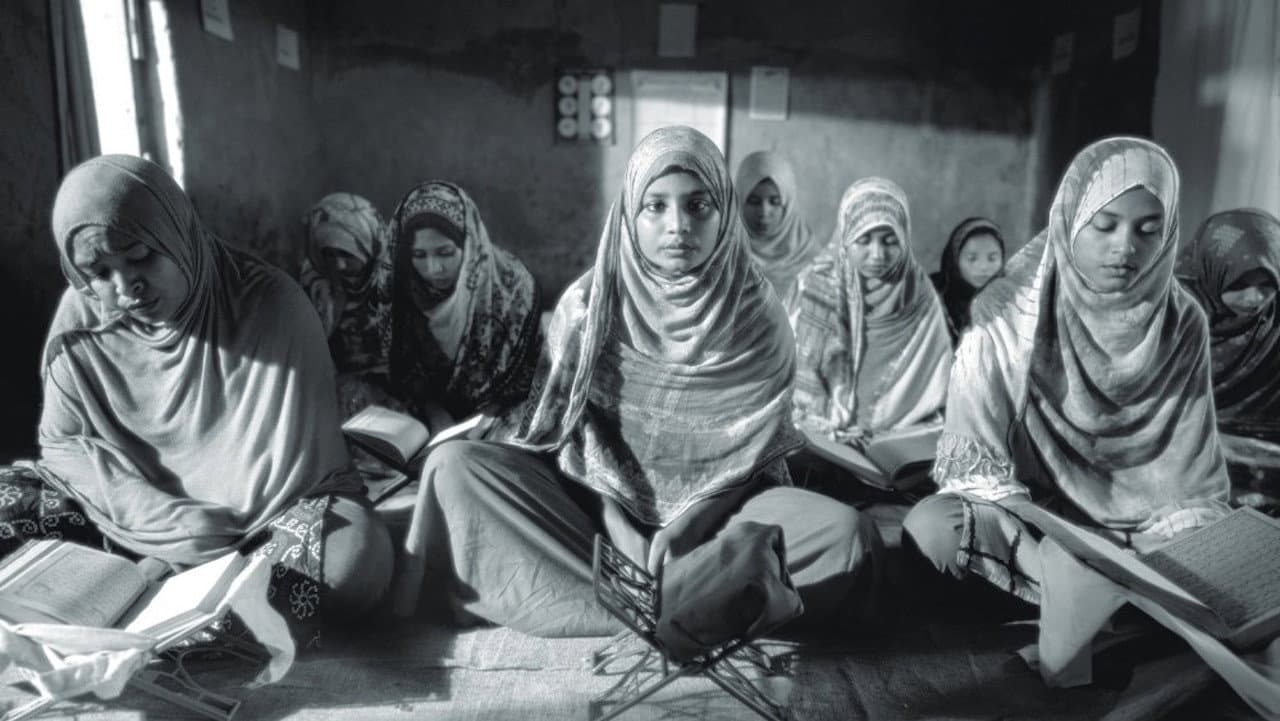
A debut feature that doesn't explain itself — and that's precisely what makes it work. The Blind Girl and an Elephant (2026) is a 81-minute black-and-white drama about three girls trying to escape a Bangladeshi village consumed by superstition and collective cruelty. Only one makes it out. She's the blind one. And then she meets an elephant.
That final image — girl and massive creature, standing in silence — is the entire film in one frame. No score. No explanation. Just two living things in the same quiet space, and you're left to figure out what it means.
Why this debut landed at Shanghai, and what that tells you
Writer-director Ishtiyak Ahmad Zihad made this as his first feature on a reported budget of around $198,000, shot in black and white in Trishal, Mymensingh. That's modest funding for ambitious filmmaking — and the selection for the Asian New Talent Competition at the 28th Shanghai International Film Festival is the kind of early credential that matters. Shanghai's New Talent section has historically been reliable at spotting significant voices before anyone else. Getting selected there as an unknown debut, without major studio backing, signals something worth paying attention to.
The cast includes Sabiha Zaman, Jayita Mahalanobish, Ashok Bepari, and Nishat Tasnim — largely unfamiliar names to international audiences, which actually works in Zihad's favor. There's no star-recognition shortcut. You watch these performers cold, exactly as intended.
It's a Bangladesh–Germany co-production through MANpaCHITRA and Mogador Film, which explains the international festival track. But as of now, there's no Rotten Tomatoes score, no wide theatrical release, no critical consensus yet. The film's still in its festival life. The conversation is just beginning.
What makes the black-and-white choice matter in 2026
Here's the thing nobody mentions enough: choosing black and white in 2026 is a statement. Color is the default. Stripping it away reads as deliberate, and Zihad uses that emptiness brilliantly — the monochrome palette flattens the village into something almost mythic. Perfect for a story about superstition eating people alive.
The performances anchor this restraint. Sabiha Zaman, playing the blind girl, doesn't perform blindness the way actors sometimes do (exaggerated stillness, compensatory hand gestures). Her physicality is quiet. Specific. There's a scene late in the film where she moves through unfamiliar terrain alone, after the other two girls are gone, and it's genuinely hard to watch — not because it's violent, but because it isn't. The silence does all the work.
What strikes me about Zihad's screenplay is how it earns its coming-of-age label without the usual scaffolding. No mentor figure. No village redemption arc. No moral delivered at the end. The tagline — "Between blindness and belief" — turns out to be more precise than it first sounds. In this world, belief is what gets people hurt. Blindness, paradoxically, might be what sets one girl free. Hard to say if that reading is entirely intentional, but it's the one that sticks once you leave the theater.
Where to watch it, and how to stay updated
The Blind Girl and an Elephant is currently available on major OTT services. The where-to-watch widget at the top of this page — updated in real time as availability shifts — will show you exactly which platform carries it in your region and whether it's free or paid.
For a film at this stage of its release cycle, availability changes fast. Movie OTT's streaming tracker monitors these shifts automatically, so if the film moves to a new service or drops from a current one, you'll see it reflected immediately. Bookmark the Movie OTT listing page for The Blind Girl and an Elephant if you're planning to watch later rather than now — it'll save you the platform-hopping.
If you liked ___ you'll want this
If you gravitated toward debut features from South Asia in recent years — films like Memories in March or the more experimental work coming through festival circuits — this will feel familiar in sensibility but distinct in execution. Zihad isn't interested in melodrama or social uplift narratives. He's interested in what happens when you let a story breathe in silence.
It's also worth noting: this isn't a film for viewers who need resolution. If you watch something expecting clean answers and tidy character arcs, you'll leave frustrated. But if you're drawn to cinema that trusts its audience — that lets ambiguity sit — this is exactly 81 minutes well spent.
The basics you need to know
Runtime: 81 minutes
Format: Black and white
Language: Bengali
Shot in: Trishal, Mymensingh, Bangladesh
Director: Ishtiyak Ahmad Zihad (feature debut)
Key cast: Sabiha Zaman, Jayita Mahalanobish, Ashok Bepari, Nishat Tasnim
Budget: ~$198,000
Festival status: Selected for Asian New Talent Competition, 28th Shanghai International Film Festival
Is it family-friendly? Not really. The film deals with social hostility and themes of isolation. It's not graphic, but it's not light either.
Should you watch it? If you're patient with ambiguous endings and drawn to festival cinema — yes. If you prefer plot-driven stories with clear resolutions — probably not.
The Blind Girl and an Elephant doesn't announce what it's doing. It just does it. Eighty-one minutes. A debut director. A story that trusts you to figure out what it means. Movie OTT will keep the streaming details current as the film's availability expands throughout the year — check back there for updates.

