








Exploring the World of The Borgia: A Dynasty Forged in Power
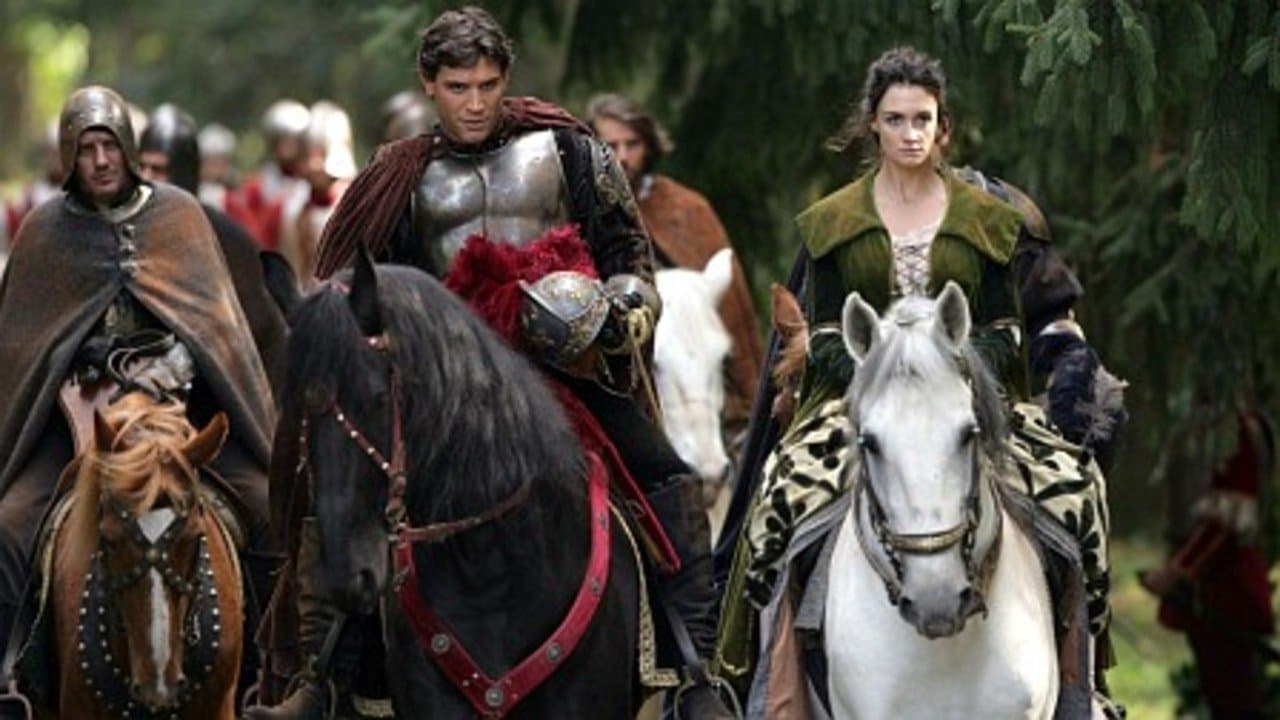
The 2006 film, The Borgia, plunges viewers headfirst into the tumultuous and often brutal world of the Borgia family, a name synonymous with ambition, corruption, and an insatiable lust for power during the Italian Renaissance. This historical drama, directed by Antonio Hernández, meticulously reconstructs the lives of Rodrigo Borgia, who would become Pope Alexander VI; his ruthless and cunning son, Cesare Borgia, often cited as the inspiration for Machiavelli's "The Prince"; and his infamous daughter, Lucrezia Borgia, a figure shrouded in legends of duplicity and manipulation. The film doesn't shy away from the bloody reality of their reign, offering a visceral portrait of a dynasty that left an indelible, and often terrifying, mark on European history.
The Making of The Borgia: Crafting a Historical Epic
The Borgia is a 2006 Spanish-Italian biographical film, a significant production endeavor led by Aragón TV, that aimed to bring this complex historical narrative to the big screen with a runtime of 120 minutes. Directed by Antonio Hernández, the film assembled a notable cast to embody these larger-than-life figures. Lluís Homar delivers a compelling performance as Rodrigo Borgia, capturing the pontiff's shrewdness and moral compromises. Sergio Peris-Mencheta steps into the formidable shoes of Cesare Borgia, portraying a man driven by military conquest and political machinations. María Valverde, meanwhile, takes on the challenging role of Lucrezia Borgia, navigating her character's transformation from a pawn in her family's schemes to a figure of considerable influence. This isn't a small-scale production; it's an ambitious historical piece, striving for authenticity in its depiction of a pivotal era. While the film didn't garner major awards or widespread box office acclaim, its existence alone is a testament to the enduring fascination with the Borgia legacy, providing a cinematic window into a period of immense political and religious upheaval. We're always on the lookout at Movie OTT for these kinds of historically rich, international productions that might have flown under the radar for some viewers.
Why The Borgia Resonates: Ambition, Intrigue, and Human Frailty
Despite its IMDb rating of 5.216/10, The Borgia offers a compelling if imperfect look at a family whose story continues to captivate. What's striking is the film's commitment to portraying the sheer scale of the Borgias' ambition—their relentless push for power, their willingness to employ any means necessary, and the profound impact of their actions on both the Church and the political landscape of Italy. The performances, particularly Homar's portrayal of Rodrigo's calculating rise to the papacy, anchor the film. I keep coming back to a particular scene where Cesare, having secured a military victory, gazes out over the conquered territory, a chilling glint in his eye that perfectly encapsulates his ruthless drive. It's a moment that really sticks with you. The film doesn't shy away from the moral ambiguities of its characters; they're not simply villains, but complex individuals shaped by their era. Honestly, it's a difficult story to tell in just two hours, requiring a delicate balance between historical accuracy and dramatic pacing. As one critic noted for a Spanish publication, "The film The Borgia attempts to distill decades of Machiavellian maneuvering and familial strife into a digestible narrative, often prioritizing spectacle over nuanced character development, yet its historical scope is commendable."
Discovering Where to Stream The Borgia Online
For those eager to delve into this dramatic retelling of the Borgia saga, The Borgia is currently available on major OTT services. Finding it shouldn't be too much of a challenge. You'll want to check the "Where to Watch" widget at the top of this page on Movie OTT, as it provides real-time availability across various streaming platforms. We know how frustrating it can be to hunt for a specific film, so we do our best to aggregate all the current options for you. Whether you prefer subscription services or rental/purchase options, chances are you'll find a way to watch this historical drama and immerse yourself in the notorious world of the Borgias.
Frequently asked questions
Q: What is The Borgia about?
The Borgia is a 2006 Spanish-Italian historical drama that chronicles the scandalous and powerful Borgia family during the Italian Renaissance. It focuses on Pope Alexander VI (Rodrigo Borgia), his son Cesare, and daughter Lucrezia, detailing their political maneuvering, military conquests, and personal intrigues.
Q: Who directed The Borgia?
The 2006 biographical film The Borgia was directed by Antonio Hernández. He brought to life the complex narrative of one of history's most infamous dynasties.
Q: Who are the main actors in The Borgia?
The principal cast of The Borgia includes Lluís Homar as Rodrigo Borgia (Pope Alexander VI), Sergio Peris-Mencheta as Cesare Borgia, and María Valverde as Lucrezia Borgia. Their performances bring the notorious family to life.
Q: Is The Borgia historically accurate?
The Borgia is a biographical film based on historical figures and events, aiming to portray the bloody dynasty. While it takes dramatic liberties common to historical dramas, it draws from the known history of the Borgia family, including their rise to power and their controversial actions.
Final Thoughts on The Borgia: A Must-Watch for History Buffs
If you have a fascination with European history, particularly the Machiavellian politics and personal dramas of the Renaissance, The Borgia is definitely worth a watch. It might not be a flawless film, but its ambition to tackle such a sprawling and controversial subject is commendable. The film offers a glimpse into a time when power was absolute, and morality often secondary to ambition. It's a dark, compelling story, full of twists and turns you won't believe. For anyone looking for a substantial historical drama, check out The Borgia on one of the major OTT services. Movie OTT is here to help you find it.