








The Story of The Boy Who Could Fly
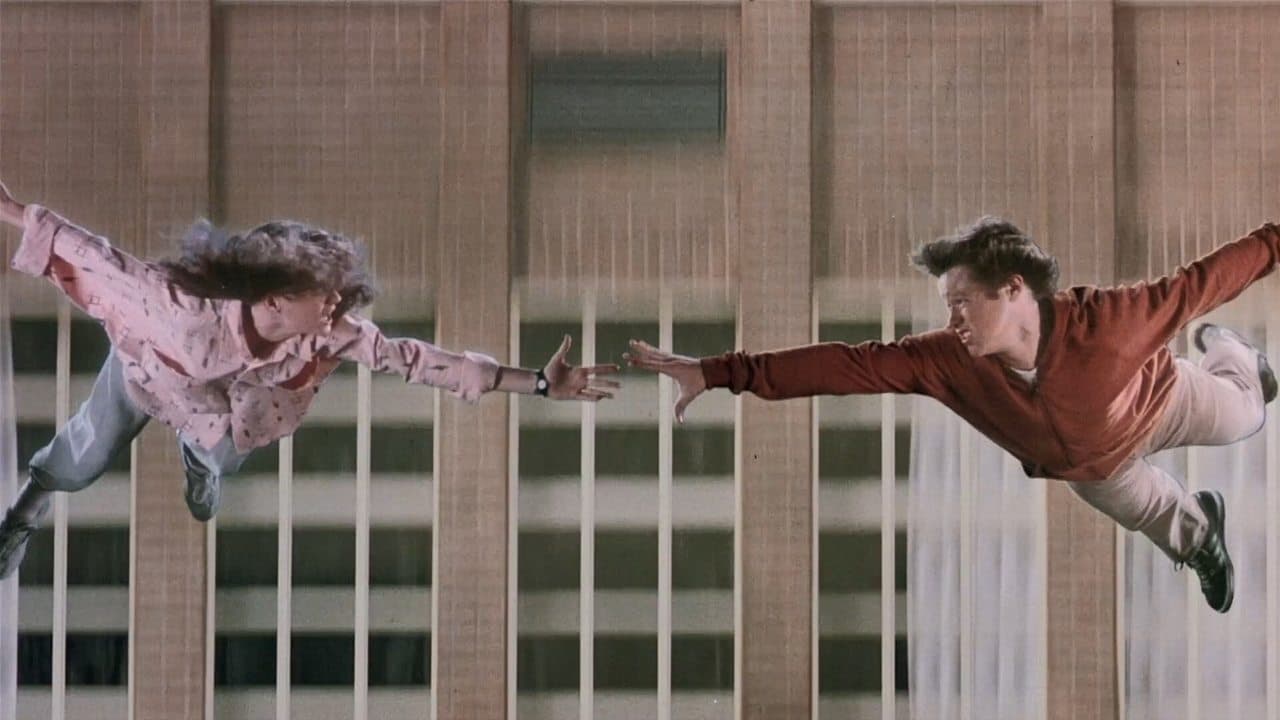
When Milly and her brother Louis arrive at a new house with their recently widowed mother, Charlene, they're all carrying invisible weights — grief, displacement, the awkward exhaustion of starting over. It's the kind of move that feels like exile when you're a teenager. But next door lives Eric, a boy who's utterly absorbed by the sky, by birds, by the mechanics and poetry of flight itself. He's autistic, nonverbal much of the time, and he's built an entire world around the idea that he can actually fly. What begins as Milly's tentative curiosity about this strange neighbor transforms into something deeper: a friendship that doesn't follow normal rules, and a slow realization that Eric's obsession might be teaching everyone around him something they desperately need to learn about belief, acceptance, and what it means to truly see another person.
The premise could've been saccharine — the magical neighbor who fixes the broken family. Instead, The Boy Who Could Fly treads careful ground between the fantastical and the grounded, asking viewers to sit with uncertainty. Is Eric actually experiencing something transcendent, or is his conviction itself the real magic? The film doesn't rush to answer that question, and that restraint is what gives it weight.
Behind the Making of The Boy Who Could Fly
Director Nick Castle wrote and helmed this 1986 release for Lorimar Productions and 20th Century Fox, bringing it to theaters on August 15, 1986. The film clocks in at 114 minutes — a generous runtime that lets scenes breathe rather than rushing through emotional beats. Castle had already proven himself in genre work (he'd directed The Last Starfighter in 1984), but The Boy Who Could Fly showcases a more intimate, character-driven sensibility. The cast anchors the film with genuine warmth: Lucy Deakins carries the emotional core as Milly, while Jay Underwood inhabits Eric with a physicality and presence that avoids stereotype — he moves through scenes with an unselfconscious grace that mirrors the film's own magical realism.
The supporting ensemble, including Colleen Dewhurst as Charlene and Fred Savage as Louis, grounds the family dynamic in real struggle rather than melodrama. What's striking is how the film balances its fantasy elements with domestic specificity — we're watching a family in actual financial and emotional crisis, not a sanitized version of grief. The production design and cinematography work quietly to suggest possibility: light breaks through windows at key moments, and the camera often frames Eric against open sky, reinforcing his obsession without hammering the metaphor. Box office returns were modest (the film didn't become a blockbuster), but it found an audience that's remained loyal across decades, suggesting the kind of word-of-mouth appreciation that builds slowly for films that trust their audience's emotional intelligence.
What Makes The Boy Who Could Fly Stand Out
There's a particular kind of 1980s sincerity at work here — not the synthesizer-scored sentimentality you might expect, but something more austere and genuine. The film's greatest strength is that it refuses easy uplift. Milly's family doesn't suddenly become whole because a magical boy moves in next door. Instead, what happens is messier and more real: people begin to change because they've been seen, because someone's belief in possibility has cracked open their own defenses. I keep coming back to a scene where Eric and Milly sit together in silence, and the camera doesn't cut away or underscore the moment — it just lets it exist, trusting that viewers will understand that connection doesn't always need explanation.
The performances carry the weight of this restraint. Deakins brings a teenager's genuine confusion and vulnerability to Milly without ever playing her as a savior figure; she's just as broken as everyone else, just maybe more open to being changed. Underwood's Eric is neither inspiration porn nor a puzzle to be solved — he's a fully realized character with his own interior life, even if we don't always have access to it. The script trusts the audience to sit with ambiguity. Is Eric autistic and also experiencing something genuinely transcendent? Can both things be true? The film suggests yes, and that's a radical move for mainstream cinema, especially in 1986. What the film captures, really captures, is the loneliness of being different and the quiet revolution of being accepted anyway.
Where to Stream The Boy Who Could Fly Online
The Boy Who Could Fly is currently available on major OTT services — check the Where to Watch widget at the top of this page for the most up-to-date availability in your region. Streaming rights shift constantly, so Movie OTT tracks where this film lives across platforms to save you the hassle of searching. Whether you're planning a weekend rewatch or discovering it for the first time, you'll likely find it on one of the major services. The 114-minute runtime makes it perfect for an evening, and it's the kind of film that rewards a second viewing once you've sat with its ambiguities — you'll notice new details about how Castle frames Eric's world, and you'll probably find yourself more moved the second time around.
Frequently asked questions
Q: Who directed The Boy Who Could Fly?
Nick Castle both wrote and directed the film, which was released in 1986 by Lorimar Productions for 20th Century Fox. Castle brought his genre experience to bear on what's ultimately an intimate character study rather than a spectacle film.
Q: Is The Boy Who Could Fly based on a true story?
No, the film is an original screenplay written by director Nick Castle. However, its themes about autism, family grief, and the transformative power of acceptance feel rooted in genuine human experience rather than pure fantasy.
Q: What's the runtime of The Boy Who Could Fly?
The film runs 114 minutes, which gives the story room to develop its emotional beats without feeling rushed or overstuffed with plot mechanics.
Q: What genres does The Boy Who Could Fly fit into?
The film blends drama, family, and fantasy elements — it's not quite a straightforward fantasy, not quite a kitchen-sink drama, but something that hovers between both, asking viewers to decide for themselves what's real.
Q: Where can I watch The Boy Who Could Fly right now?
The film is available on major streaming platforms. Movie OTT keeps a current list of where it's streaming in your area, so you can find it without hunting across multiple services.
Final Thoughts on The Boy Who Could Fly
What lingers after watching The Boy Who Could Fly is the feeling that you've been trusted — trusted to sit with uncertainty, trusted to find meaning in quiet moments, trusted not to need everything explained or resolved. That's increasingly rare in cinema, especially from the 1980s, when there was often pressure to deliver big emotional payoffs or neat narrative closure. Instead, this film offers something subtler: the possibility that magic might be real, or that believing in it might be enough. If you're drawn to character-driven stories that ask more questions than they answer, or if you're looking for a film that treats autism and neurodivergence with genuine respect rather than inspiration-narrative shortcuts, The Boy Who Could Fly deserves your time.