
The story of The Call of the Wild and its frozen frontier setting
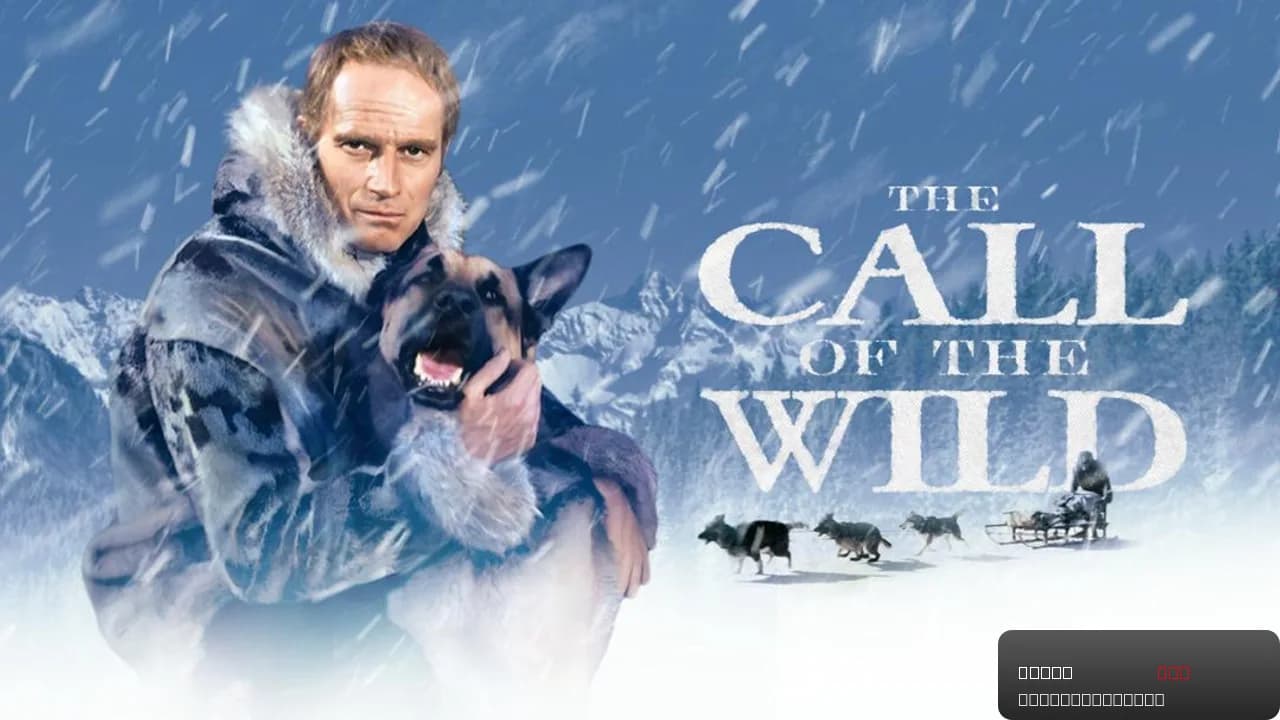
The Call of the Wild follows Buck, a prized California house dog who's stolen and transported north to the Yukon during the 1898 Klondike Gold Rush. What starts as brutal servitude—forced to haul heavy sleds across frozen terrain with a team of hardened sled dogs—becomes something unexpected: a journey toward liberation. Buck isn't just learning to survive the harsh landscape; he's awakening to instincts his comfortable life never demanded. The film tracks his gradual transformation from domesticated pet to something wilder, something truer to his nature, as he's passed from owner to owner across the unforgiving Alaskan wilderness. Director Ken Annakin uses the gold rush setting not just as backdrop but as a crucible where civilization and raw nature collide.
Behind the making of The Call of the Wild and its international production
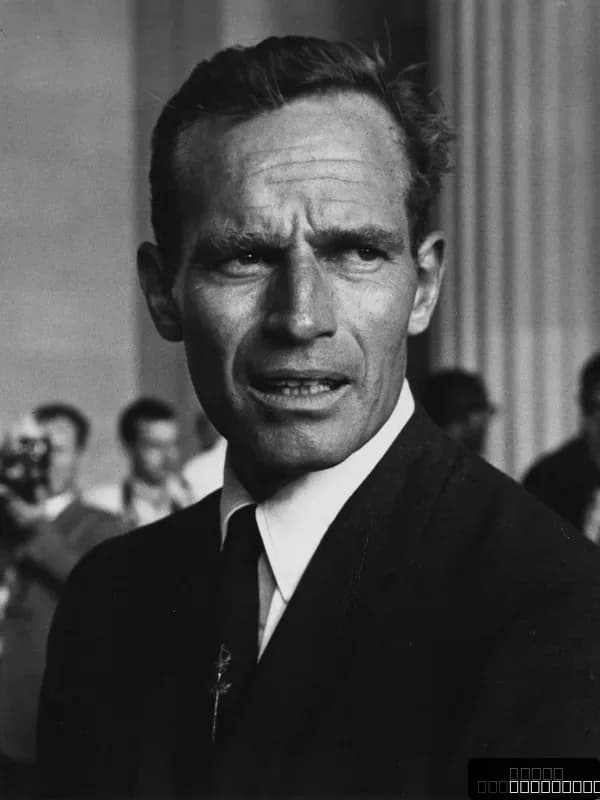
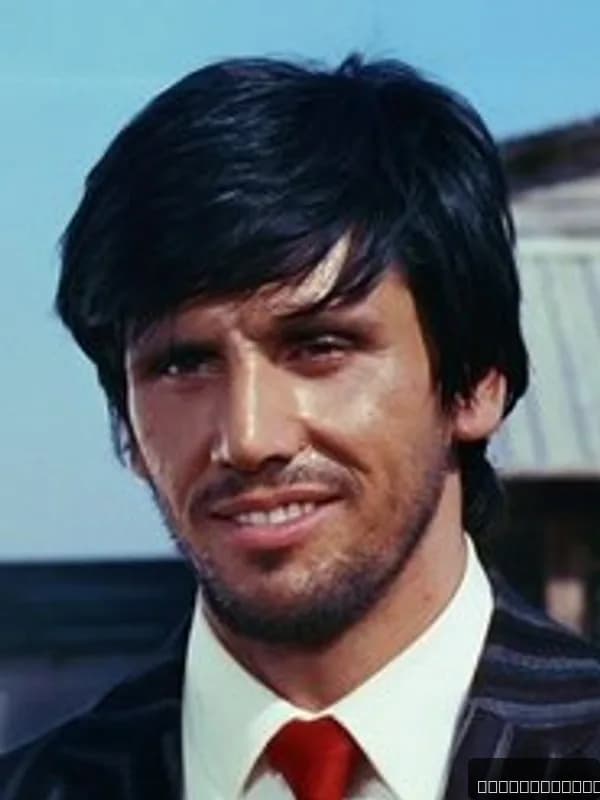
The Call of the Wild emerged as a co-production between Germany, France, Spain, and Italy—a genuinely European venture that brought together talent from across the continent. Ken Annakin, an experienced British director known for his work on adventure and family films, took the helm and adapted Jack London's 1903 novel through screenwriters Peter Yeldham, Peter Welbeck, and Wyn Wells. The decision to cast Charlton Heston—already a towering figure in cinema after his roles in Ben-Hur and Planet of the Apes—gave the production considerable star power, though the film itself was a modest mid-budget affair by early-1970s standards. Raimund Harmstorf, George Eastman, and Maria Rohm rounded out the ensemble, bringing European credibility to what was essentially a family adventure picture. The 100-minute runtime keeps the pacing brisk, never letting the narrative stall despite the deliberate, meditative tone Annakin brings to Buck's wilderness awakening. While major awards and box-office dominance eluded the film, it found its audience among family viewers and adventure enthusiasts who appreciated its earnest approach to London's source material.
What makes The Call of the Wild stand out as a 1970s family film
There's something refreshingly unhurried about this adaptation—and that's not a criticism, it's the film's secret strength. What's striking is how Annakin resists the urge to sentimentalize Buck's journey. Instead of making the dog's experience a straightforward triumph-of-the-spirit narrative, the film treats his transformation with genuine ambivalence. He's not being "saved" by Heston's character; he's being drawn toward something that might destroy him, that might free him, that might be both at once. Heston himself brings a weathered authenticity to Thornton, the mail dispatcher who becomes Buck's reluctant champion—not a heroic savior but a man trying to survive alongside the dog. The performances don't strain for sentiment. When Heston and Harmstorf navigate their sled routes across the Yukon, there's a matter-of-fact quality to their struggle that feels earned rather than manufactured. The film's willingness to let Buck remain, fundamentally, an animal—unpredictable, driven by hunger and instinct as much as affection—sets it apart from more saccharine takes on human-animal bonds. Critics on Movie OTT and elsewhere have noted the film's uneven pacing and modest production values, which likely contributed to its 5.9 IMDb rating, yet those same constraints forced a kind of honesty that bigger-budget productions often lose.
Where to stream The Call of the Wild online
If you're looking to watch The Call of the Wild, it's currently available on Prime Video. Movie OTT's streaming tracker helps you find where titles are available across platforms—and this particular adventure is easy to locate on Amazon's service. The 100-minute runtime makes it a manageable evening watch, whether you're introducing it to family members or revisiting it after years away. The Where to Watch widget at the top of this page shows you exactly which platforms carry it right now, so you can jump straight to viewing without the usual search-engine runaround.
Frequently asked questions
Q: Is The Call of the Wild based on Jack London's novel?
Yes. The 1972 film adapts London's 1903 novel of the same name, following the core plot of a stolen house dog's transformation in the Yukon during the gold rush. The screenwriters stayed true to the novel's essential arc while adjusting details for cinema.
Q: Who directed The Call of the Wild?
Ken Annakin, a British director experienced in adventure and family films, helmed the production. He brought a restrained, naturalistic approach to the material that emphasizes Buck's gradual awakening rather than melodrama.
Q: What's the runtime of The Call of the Wild?
The film runs 100 minutes, keeping the narrative focused and the pacing steady without unnecessary padding.
Q: Is this a family-friendly movie?
Yes. The Call of the Wild was made as a family adventure film, though it doesn't shy away from the harsh realities of frontier life and the dog's difficult circumstances. It's appropriate for older children and adults who appreciate adventure without excessive sentimentality.
Q: How does Charlton Heston's performance compare to other adaptations?
Heston brings a grounded, weathered quality to Thornton—he's not playing a hero but a working man trying to survive. His understated approach complements the film's refusal to overdramatize the human-animal relationship.
Final thoughts on The Call of the Wild
The Call of the Wild won't blow you away with spectacle or break-the-internet performances. What it does is offer a quieter, more honest reckoning with London's themes than you might expect from a 1970s family film. Charlton Heston and the European ensemble cast commit fully to the material. It's worth watching if you're curious about how different eras adapt the same source material, or if you simply want an adventure that trusts its audience to sit with ambiguity. Don't expect a triumphant ending wrapped in sentiment. Expect something messier, truer, and ultimately more haunting.