Exploring the World of The Caretaker's Bleak London Drama
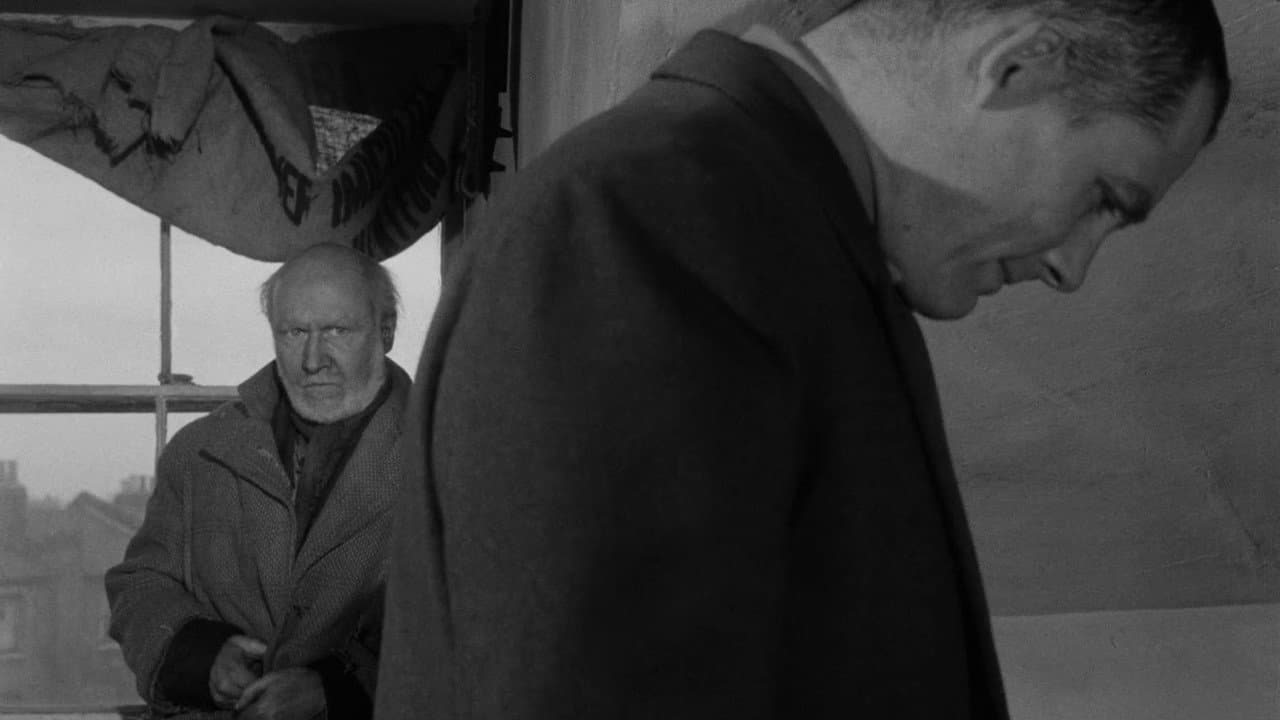
The Caretaker, released in 1964, plunges viewers into a stark, psychological drama set within the confines of a dilapidated house in a poor London district. The narrative centers on Aston, a quiet and reserved man who lives alone in a cluttered top-floor room of the seemingly abandoned dwelling. His solitary existence is interrupted when he befriends Mac Davies, an old, disheveled derelict recently fired from a menial café job. In a moment of unexpected generosity—or perhaps desperation for companionship—Aston invites Davies to stay and eventually offers him the ambiguous role of caretaker for the house. This seemingly simple offer sets the stage for a complex power struggle, as Aston's brother, Mick, a taunting and quasi-sadistic character, frequently harasses Davies in Aston's absence, countermanding his brother's instructions and sowing seeds of doubt and fear. What unfolds isn't just a story about three men; it's a chilling examination of language, delusion, and the fragile nature of human connection. Movie OTT is proud to feature this enduring classic in its editorial coverage.
Behind the Scenes of The Caretaker: Pinter's Vision and Star Power
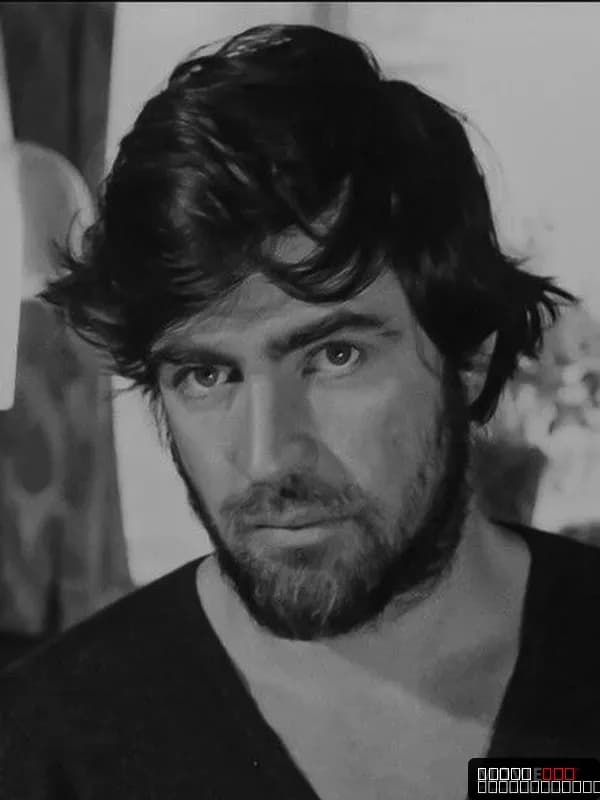
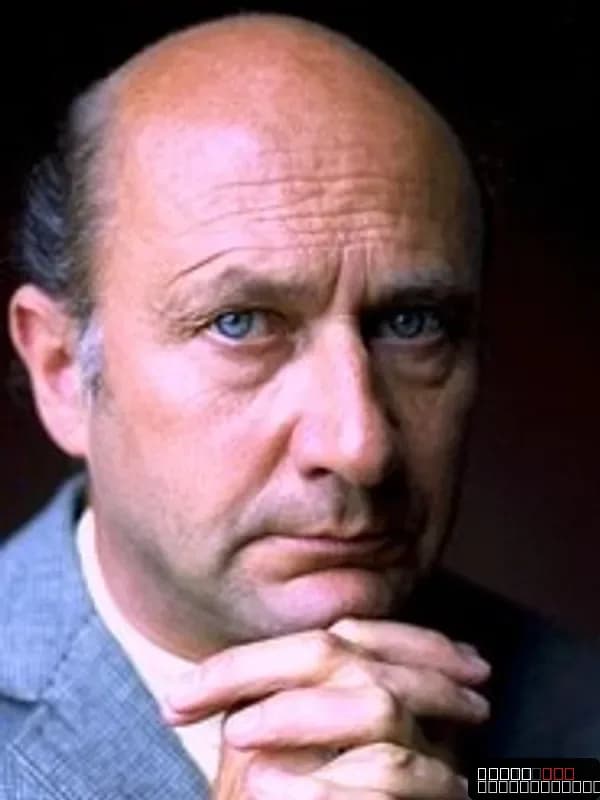
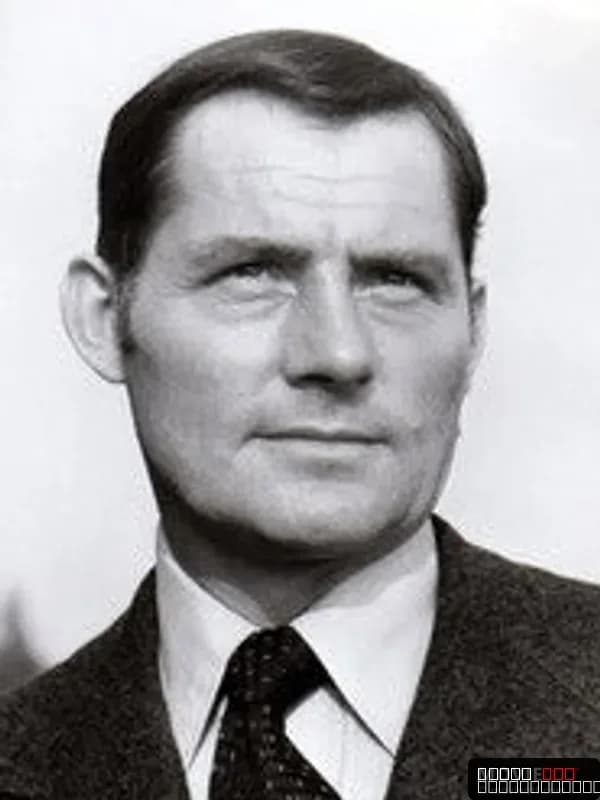
The creation of The Caretaker as a film was a direct translation of Harold Pinter's highly successful 1960 stage play, with Pinter himself co-directing alongside Clive Donner. This unique arrangement allowed Pinter to maintain artistic control over his material, ensuring the film retained the stark, unsettling atmosphere and precise dialogue that defined his original work. Produced by Caretaker Films, it was an independent venture, reflecting the challenging nature of adapting such a theatrically rooted piece for the screen. The film boasts an exceptional cast, a true ensemble of British acting talent: Donald Pleasence delivers a tour-de-force performance as the manipulative yet pitiable Mac Davies, capturing his cunning and vulnerability with unsettling precision. Robert Shaw embodies the menacing and unpredictable Mick, whose verbal assaults on Davies are both chilling and darkly humorous. Rounding out the trio is Alan Bates as Aston, whose quiet demeanor belies a deep-seated trauma and a surprising capacity for cruelty. Their combined performances are, honestly, what elevate this film from a simple adaptation to a cinematic masterpiece. The film earned a respectable 7.4/10 rating on IMDb, a testament to its lasting impact and critical appreciation, especially given its challenging themes and minimalist approach. Pinter’s involvement meant the film didn’t just adapt the play; it reimagined it for the screen, preserving its theatrical intensity while leveraging the intimacy of cinema.
The Enduring Power of The Caretaker's Performances and Themes
What makes The Caretaker resonate so profoundly, even decades after its release, is its masterful exploration of human psychology and the insidious ways power can shift between individuals. Pinter's writing is characterized by its sparse, ambiguous dialogue, pregnant pauses, and a pervasive sense of unease. He doesn't just write conversations; he crafts verbal duels, where words are weapons and silence is often more terrifying than any threat. The film vividly portrays themes of identity – who these men are, who they claim to be, and the illusions they cling to – alongside the constant struggle for dominance within their shared, claustrophobic space. Mac Davies's desperate, rambling stories about his "papers" in Sidcup, his supposed identity, become a poignant symbol of his futile attempts to assert his worth. It's a subtle but devastating critique of social hierarchy and the desperation of the marginalized. I keep coming back to the scene where Mick describes his elaborate, fantastical plans for the house, contrasting starkly with Aston's quiet, almost mournful reality, and the way Davies tries to navigate both brothers' conflicting demands—it's just brilliant. Contemporary critics recognized this brilliance, with Howard Taubman of The New York Times noting in 1961 (of the play, but equally applicable to the film) that "Mr. Pinter is a master of the pause, the non sequitur, the ominous implication, the half-finished sentence." This meticulous crafting of language, combined with the raw, intense performances from Pleasence, Shaw, and Bates, creates an atmosphere that is both deeply unsettling and profoundly human, forcing viewers to confront uncomfortable truths about isolation and dependency.
Where to Stream The Caretaker (1964) Online Today
For cinephiles and fans of classic drama looking to experience The Caretaker's enduring psychological tension, you're in luck. This iconic 1964 film is currently available on major OTT services, making it accessible to a wide audience. Finding where to watch it couldn't be easier, actually. You'll find all the up-to-date streaming options listed in the 'Where to Watch' widget at the top of this page. Movie OTT constantly tracks the availability of films across various platforms, so you can be sure you're getting the most current information on where to stream this powerful drama. Whether you prefer to rent, buy, or subscribe, the options are there. Just check the widget; it's got you covered.
Frequently asked questions
Q: Is The Caretaker based on a play?
Yes, The Caretaker is a film adaptation of Harold Pinter's acclaimed 1960 stage play of the same name. Pinter himself co-directed the film, ensuring its fidelity to his original vision.
Q: Who stars in The Caretaker (1964)?
The film features a formidable cast, including Donald Pleasence as Mac Davies, Robert Shaw as Mick, and Alan Bates as Aston. Their performances are central to the film's enduring power.
Q: What is the IMDb rating for The Caretaker?
The Caretaker holds a respectable IMDb rating of 7.4/10. This score reflects its critical acclaim and lasting impact on audiences and critics alike.
Q: How long is The Caretaker (1964)?
The runtime for the 1964 film version of The Caretaker is 105 minutes. It's a tightly paced drama that makes every minute count.
Q: Where does The Caretaker take place?
The entire drama of The Caretaker unfolds within a dilapidated, cluttered house in a poor district of London, adding to its claustrophobic and unsettling atmosphere.
Final Verdict: Why You Need to Watch The Caretaker
The Caretaker is more than just a film; it's an experience. Its raw, intense performances and the unsettling brilliance of Harold Pinter's dialogue create a psychological drama that stays with you long after the credits roll. If you're a fan of character-driven narratives, subtle power struggles, and the kind of film that makes you think, this 1964 classic is an absolute must-watch. It’s a masterclass in tension, ambiguity, and the dark undercurrents of human interaction. This film isn't just a piece of cinematic history; it's a timeless exploration of loneliness and the desperate need for belonging. Don't miss it. Movie OTT recommends it highly for its sheer dramatic power.