

The Story of The Carson City Kid and Its Outlaw Premise
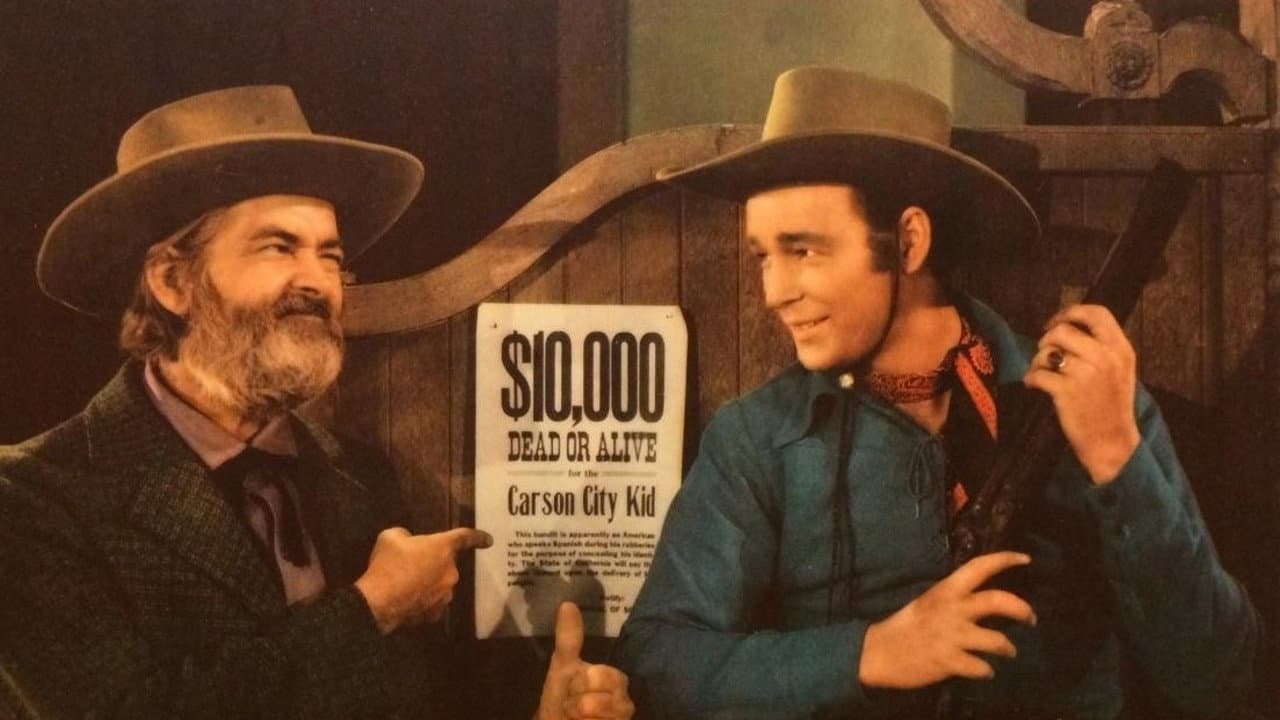
The Carson City Kid isn't your typical sprawling Western epic. It's lean, it's mean, and it knows exactly what it's doing in just 57 minutes. The film opens on two outlaws—the Kid and his partner Laramie—running from the law, but their partnership hits a snag when Laramie gets captured. The Kid, whose identity remains unknown to the authorities, makes a calculated move: he ditches the outlaw life temporarily and takes work as a saloon hand in Jessup's establishment. What he doesn't expect is what he'll witness there—a crooked owner cheating an honest man named Warren out of his money. The setup's simple, but it's the kind of moral complication that makes even B-Westerns worth watching.
When Warren, desperate and humiliated, decides to rob Jessup and pins the crime on the Kid's notorious reputation, things spiral fast. Warren gets caught, and here's where the plot twists: Laramie, still in custody and looking for leverage, identifies Warren as the Carson City Kid to save his own skin. The Kid's now in a bind—an innocent man's facing the noose for crimes the Kid actually committed, all while the real culprit, Jessup, walks free. But there's more to it than just clearing Warren's name. The Kid realizes Jessup is the man who killed his brother. Revenge and redemption aren't usually bedfellows, but in this film, they've got to be.
Behind the Making of The Carson City Kid
Republic Pictures, the studio behind this 1940 feature, was a prolific B-movie powerhouse during Hollywood's Golden Age—the kind of outfit that cranked out Westerns, serials, and action pictures with remarkable efficiency. The Carson City Kid was part of that assembly-line approach to entertainment, yet it still manages a narrative punch that belies its modest 57-minute runtime and lower-tier budget. The studio's business model was built on speed and volume: get the picture made, get it in theaters, move on to the next one. Republic wasn't chasing Oscars; it was chasing box office returns from rural circuits and double features.
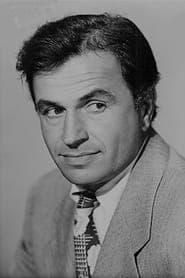
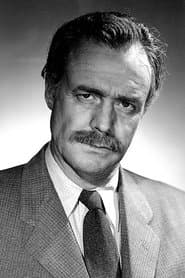
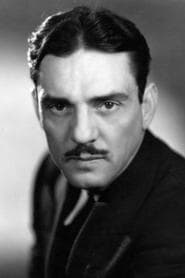
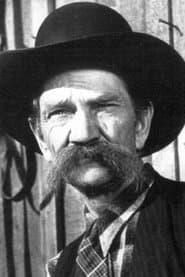
The film doesn't boast a marquee cast—no A-list names that would've commanded major press coverage—but that's actually part of its charm. Working with character actors rather than stars meant Republic could focus on story momentum instead of star power, and the lean ensemble cast here does solid work within the Western genre conventions of the era. The production values are what you'd expect from a Republic picture: efficient cinematography, functional sets, and editing that keeps things moving. There's no bloat, no self-indulgent long takes. It's workmanlike filmmaking in the best sense—the crew knew their job and did it without fuss. The picture arrived in 1940 without major awards recognition or significant box office fanfare, but it's the kind of film that's found a second life on streaming platforms, where Movie OTT helps audiences discover these forgotten corners of cinema history.
What Makes The Carson City Kid Stand Out in 1940s Western Territory
What's striking about The Carson City Kid is how efficiently it wrestles with moral ambiguity in a genre that often trades in black-and-white morality. The Kid is an outlaw—that's not negotiable—but he's also the only person willing to risk something to save an innocent man. Warren's no saint either; he tried to rob the saloon, even if his desperation is sympathetic. Jessup, the seemingly respectable business owner, is the real monster. The film doesn't let you off easy by making the good guys obviously good and the bad guys obviously bad. Instead, it asks: what does honor mean when you're already outside the law? Can you do the right thing when you've spent your life doing the wrong one?
The pacing is relentless. At 57 minutes, there's no room for subplot bloat or romantic digression—though the tagline promises "gals to love," the film keeps romance firmly in the background where it belongs. What you get instead is plot, consequence, and momentum. The Kid's plan to clear Warren while settling his brother's death isn't complicated, but it's complicated enough, and the film trusts the audience to follow the logic without spelling everything out. I keep coming back to that choice: Laramie selling out the Kid to save himself. It's a betrayal that feels earned, not melodramatic. These are desperate men making desperate choices, and the film respects that desperation enough not to judge it too harshly.
Republic Pictures' house style—economical, efficient, plot-driven—actually serves the material beautifully here. There's no time for the camera to linger on pretty vistas or for actors to chew scenery. Everything's in service of the story, which means the story has to be good. And it is. The Carson City Kid might not be remembered alongside the canonical Westerns of the era, but it's the kind of picture that rewards a viewer's attention, especially on platforms like Movie OTT, where you can stumble upon it without the weight of expectation.
Where to Stream The Carson City Kid Online
The Carson City Kid is currently available on major OTT services, making it easier than ever to catch this 1940 gem without hunting through dusty video stores or waiting for a Turner Classic Movies broadcast window. The "Where to Watch" widget at the top of this page will show you exactly which platforms have it in your region right now—availability shifts, so it's worth checking before you settle in. Whether you're a Western aficionado or someone who stumbles onto it by accident while browsing, the film's short runtime means you can fit it into an evening without much commitment. That's one of the beauties of these older B-pictures: they respect your time.
Frequently Asked Questions
Q: Who directed The Carson City Kid?
The film was directed by Joe Kane, a prolific Republic Pictures helmer who specialized in B-Westerns and action pictures. Kane was known for his efficiency and his ability to keep narratives tight and moving, which is exactly what The Carson City Kid needed.
Q: Is The Carson City Kid based on a true story?
No, it's an original screenplay written for Republic Pictures. The outlaw-seeking-redemption angle and the case-of-mistaken-identity plot were common Western tropes in 1940, and the film works those elements into a tight narrative without claiming historical basis.
Q: How long is The Carson City Kid?
The film runs just 57 minutes, which was typical for Republic's B-movie output. That brevity is a feature, not a bug—it means the story moves without filler, and every scene earns its place.
Q: Where can I watch The Carson City Kid?
The Carson City Kid is available on major OTT streaming services. Check the "Where to Watch" widget on this page for current availability in your region, as streaming rights rotate regularly.
Q: What's the IMDb rating for The Carson City Kid?
The film holds a 6.2/10 rating on IMDb, which reflects its status as a solid B-Western that works within its modest scope but doesn't reinvent the genre.
Who Should Watch The Carson City Kid
If you're a Western fan who's tired of the same canonical titles getting all the attention, this one's for you. If you appreciate efficient storytelling that doesn't waste your time, The Carson City Kid delivers. It's not a masterpiece—it doesn't pretend to be—but it's a genuinely entertaining 57 minutes that respects both its genre and its audience. The film's a reminder that not every worthwhile picture needs a massive budget or a prestigious pedigree. Sometimes the best discoveries are the ones you weren't looking for, buried in the streaming catalog and waiting for someone like you to give them a chance.