


The story of The Cathedral unfolds as intimate memory
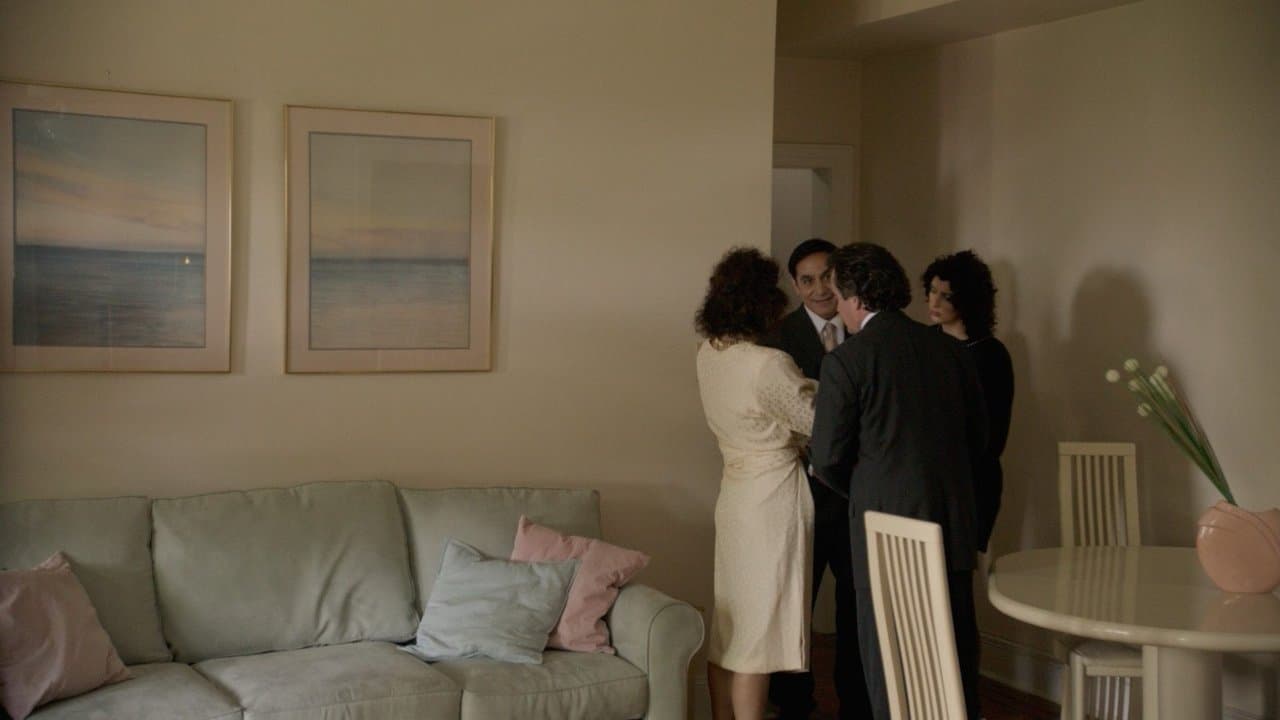
The Cathedral isn't a plot-driven narrative in any traditional sense—it's something closer to a series of photographs shuffled and reshuffled, each one revealing something the previous image concealed. The film follows an only child's impressionistic recollection of their American family across two decades, watching as their parents' fortunes rise and then, inevitably, crumble. Director Ricky D'Ambrose constructs this account with the patience of someone who's spent years processing what they've witnessed, letting scenes breathe and moments linger just long enough that you start reading meaning into the smallest gestures—a parent's glance, the way light falls across a living room, the weight of silence between conversations. There's no dramatic inciting incident, no third-act reversal. Just the slow, almost geological shift of a family's trajectory, observed by someone who was there for all of it.
Behind the making of The Cathedral: Venice, awards, and artistic ambition
The Cathedral emerged from the Venice Film Festival's Biennale College Cinema program, a prestigious incubator for experimental and unconventional narratives. Released in 2022, the film carries the unmistakable mark of festival cinema—it's patient, formally considered, and utterly uninterested in conventional entertainment. That deliberate approach paid off. The film earned 11 nominations across major festival circuits and took home 2 wins, while critics rallied behind it: Metacritic tallied an 82/100 score, a remarkable consensus for a work this formally austere. The IMDb community rated it 6.2/10 across 639 votes, a split that tells you something important about D'Ambrose's vision—it's not designed to please everyone, and it doesn't pretend otherwise. Production credits include Ravenser Odd, a production company known for championing difficult, artist-driven work. At 87 minutes, The Cathedral refuses to overstay its welcome, though it's the kind of film where every minute feels weighted with intention. The semi-autobiographical nature of the material—drawn from D'Ambrose's own family history—gives the film an authenticity that can't be faked or manufactured in a writers' room.
What makes The Cathedral stand out: Form as feeling, restraint as power
What's striking is how D'Ambrose uses visual and narrative restraint not as limitation but as the film's central strength. Rather than telling you how to feel about his family's decline, he shows you fragments—conversations that feel overheard rather than performed, domestic spaces that seem caught off-guard by the camera's presence. The performances anchor everything without ever reaching for emotional peaks. There's no big crying scene, no confrontation that forces catharsis. Instead, the actors (who remain understated and naturalistic throughout) communicate volumes through what they don't say, through the slight tension in a shoulder, the way someone avoids eye contact during dinner. I keep coming back to how the film trusts its audience to understand that sometimes the most devastating moments in family life arrive quietly, without fanfare—a parent's health declining, financial pressures mounting, the slow realization that things won't improve. The thing nobody mentions is how difficult this approach actually is to pull off. It would've been easier to make this film louder, more explicitly tragic. Instead, D'Ambrose holds steady, letting the weight accumulate gradually, the way real grief does. That formal restraint, combined with the semi-autobiographical material, creates something that feels less like a movie and more like a confession.
Where to stream The Cathedral online
The Cathedral is currently available across major OTT services, and Movie OTT tracks its availability in real time—if you're looking to watch it tonight, the "Where to Watch" widget at the top of this page will tell you exactly which platforms have it. Streaming rights shift frequently, so checking Movie OTT's updated database beats hunting through three different apps. Given the film's meditative pacing and formal complexity, it's the kind of work you'll want to watch in one sitting, in a quiet room, without your phone nearby. It's not background viewing. It demands attention, and it rewards it.
Frequently asked questions
Q: Is The Cathedral based on a true story?
Yes—the film is semi-autobiographical, drawn directly from director Ricky D'Ambrose's own family history. While it's not a documentary, the emotional and structural truth of the narrative comes from D'Ambrose's lived experience witnessing his parents' rise and fall over two decades.
Q: How long is The Cathedral?
The film runs 87 minutes, a lean runtime that feels intentional. D'Ambrose includes nothing extraneous; every scene serves the larger portrait of family decline and memory.
Q: Who directed The Cathedral?
Ricky D'Ambrose directed and wrote The Cathedral. It was produced through Ravenser Odd and developed via the Venice Film Festival's Biennale College Cinema program, a prestigious initiative for supporting experimental cinema.
Q: What's the critical consensus on The Cathedral?
Critics were substantially more enthusiastic than general audiences. The film holds an 82 Metascore, indicating "universal acclaim," while its IMDb rating of 6.2/10 reflects that general viewers found it challenging—which is entirely by design. It's not a crowd-pleaser; it's an artist's statement.
Q: Where can I watch The Cathedral right now?
Check the "Where to Watch" widget above this article for current availability across streaming platforms. Movie OTT keeps this information updated as licensing agreements change.
Final thoughts on The Cathedral
The Cathedral is difficult, uncompromising cinema—the kind of film that doesn't ask for your approval so much as your presence. If you're drawn to meditative narratives that trust their audience, to family stories told without melodrama, to the kind of formal precision that turns restraint into an art form, this is essential viewing. It's not for everyone. But for those willing to sit with it, to let its quiet accumulate, The Cathedral offers something increasingly rare: a genuine artistic vision, unfiltered and unafraid. Watch it when you're ready to think, not just to be entertained.