The story of The Charge of the Light Brigade
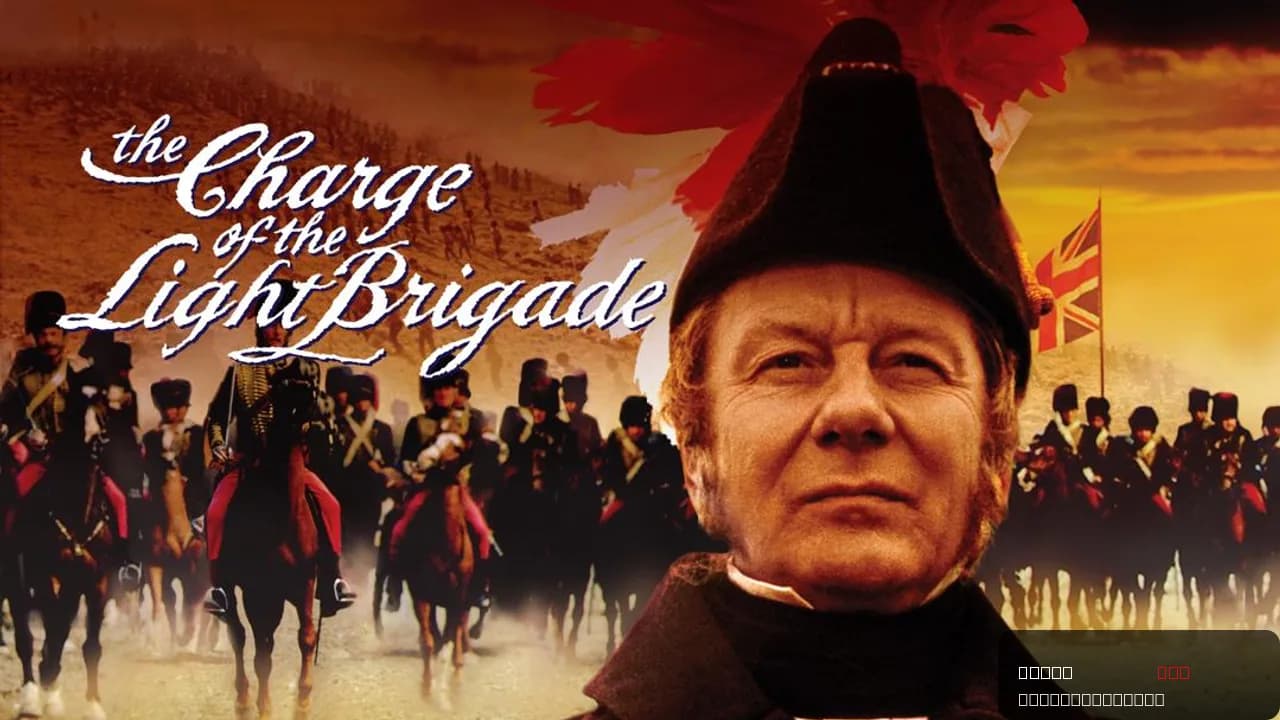
When you hear "The Charge of the Light Brigade," you probably picture thundering horses, noble sacrifice, and the kind of historical grandeur that made Errol Flynn a star. Forget that. Tony Richardson's 1968 film isn't interested in celebrating a doomed cavalry charge during the Crimean War—it's interested in dismantling the very structures that made such a charge possible. The film follows the contrasts between Victorian England's aristocracy and lower classes as they collide around one spectacularly bad military decision: an order to attack a Russian naval base that will send hundreds of men to their deaths. Rather than play it straight, Richardson laces the entire narrative with satirical barbs, using Victorian-era jingoistic imagery to mock the pomposity and class divisions that enabled such carnage. This isn't your grandfather's war epic.
Behind the making of The Charge of the Light Brigade
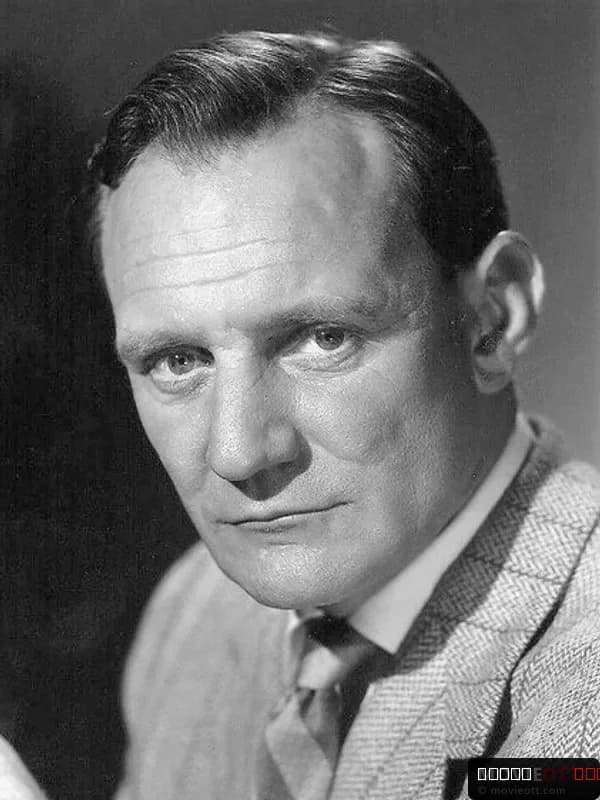
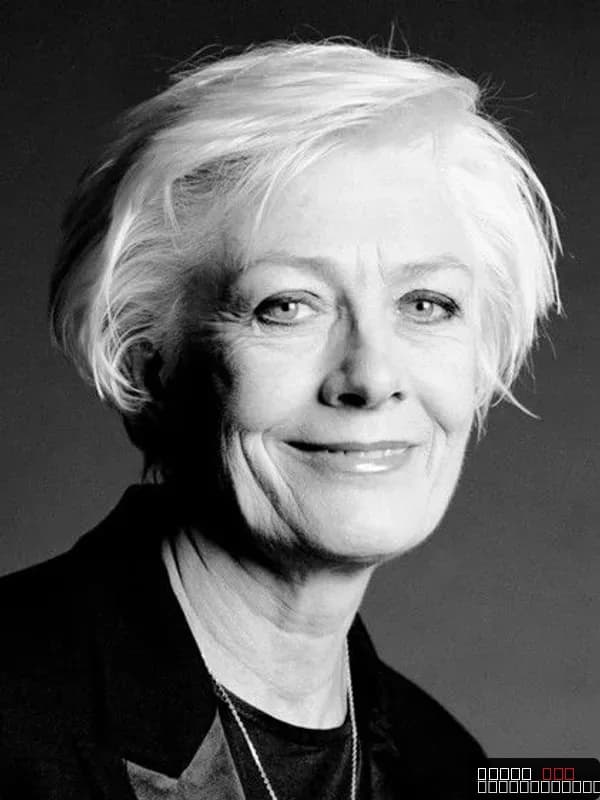
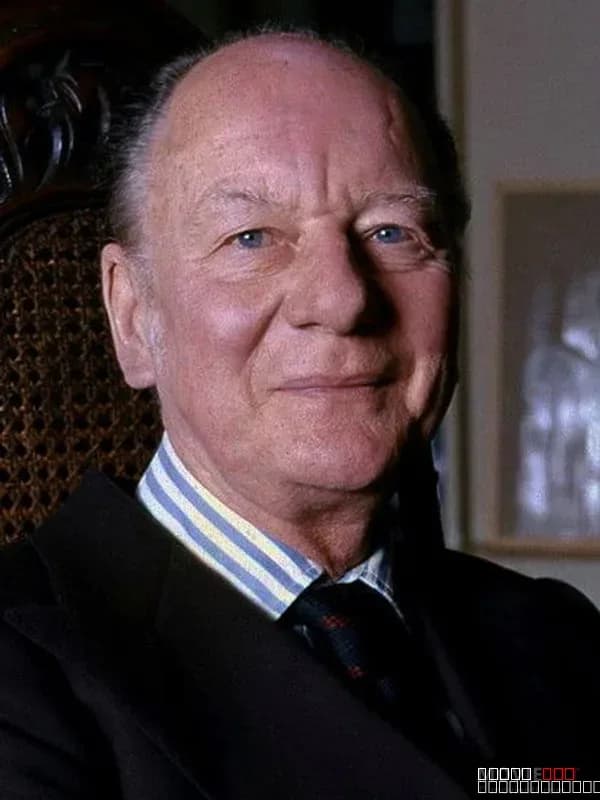
Produced by Neil Hartley and made by Woodfall Film Productions—a company known for challenging British cinema—The Charge of the Light Brigade arrived in 1968 as a distinctly countercultural take on a historical institution. The film runs 128 minutes and was shot in DeLuxe Color, giving it a vivid, almost garish quality that amplifies the satirical tone. What's particularly striking is the animated credits and linking passages created by Richard Williams, whose work draws heavily on Victorian propaganda imagery to undercut the film's "official" military narrative. The cast reads like a who's who of British acting royalty: Trevor Howard carries the film as the deeply flawed Lord Cardigan, while Vanessa Redgrave, John Gielgud, and Harry Andrews provide the weight of establishment legitimacy—only to have that legitimacy systematically dismantled around them. The film also marks the screen debuts of Richardson's own daughters, Natasha and Joely, a personal touch that grounds the production even as it swings wildly at its targets. United Artists distributed the picture, and while it didn't become a mainstream blockbuster, it's remained a cult touchstone for those interested in how cinema can interrogate rather than celebrate historical mythology. Movie OTT tracks where you can access films like this that challenge conventional storytelling.
What makes The Charge of the Light Brigade stand out
Here's the thing about this film: it refuses to let you off easy. Unlike the 1936 Hollywood version that played Cardigan as a hero, Richardson's interpretation shows him as an arrogant, frequently drunken incompetent whose vanity and class privilege cost lives. Trevor Howard doesn't shy away from the character's ugliness—there's a scene where Cardigan's self-regard becomes almost physically repulsive, and Howard leans into that discomfort rather than trying to make the character sympathetic. The performances work because they're not trying to be likable; they're trying to be true to the systemic rot the film is exposing. Vanessa Redgrave, playing a woman caught between duty and conscience, provides the moral spine the narrative needs. What's striking is how the film uses its formal elements—those animated sequences, the satirical tone, the clash between Victorian aesthetics and modern sensibilities—to create a kind of cognitive dissonance. You're watching what looks like a traditional war film, but the machinery underneath is actively working against everything a traditional war film usually celebrates. The film doesn't quite achieve perfect balance between satire and drama (some sequences feel uneven, the pacing occasionally stumbles), but that roughness is part of its charm. It's a film that's willing to be messy in service of its argument. When you're reading reviews on Movie OTT or elsewhere, you'll notice critics are split—some find it brilliant, others think it's trying too hard. That division is probably the point.
Where to stream The Charge of the Light Brigade online
The Charge of the Light Brigade is currently available on Prime Video, making it accessible if you've already got an Amazon subscription. Given the film's cult status and relatively niche appeal, availability can shift seasonally, so if you're planning to watch, it's worth checking the Where to Watch widget at the top of this page to confirm current streaming status. At 128 minutes, you'll want to carve out a solid evening for it—this isn't something that plays well as background viewing. The DeLuxe Color cinematography benefits from a decent screen size, and the satirical elements land better when you're actually paying attention rather than scrolling through your phone. If you're a fan of revisionist war films or British cinema from the late 1960s, it's worth the time investment.
Frequently asked questions
Q: Is The Charge of the Light Brigade based on a true story?
Yes—the film is inspired by the actual Charge of the Light Brigade during the Crimean War in 1854, one of history's most famous military disasters. However, Richardson's 1968 version uses the historical event as a springboard for satire rather than a straightforward retelling.
Q: Who directed The Charge of the Light Brigade?
Tony Richardson directed the film. Richardson was known for his work with the British New Wave and for challenging conventional narrative structures, which is exactly what he does here.
Q: What's the difference between the 1936 and 1968 versions of The Charge of the Light Brigade?
The 1936 Hollywood version (with Errol Flynn) plays the charge as a heroic sacrifice. Richardson's 1968 film does the opposite—it critiques the military incompetence and class arrogance that made the charge happen in the first place.
Q: How long is The Charge of the Light Brigade?
The film runs 128 minutes, so plan for just over two hours of viewing time.
Q: Who plays Lord Cardigan in the film?
Trevor Howard plays Lord Cardigan, the arrogant and often-drunk military commander whose decisions drive the narrative toward disaster.
Final thoughts on The Charge of the Light Brigade
The Charge of the Light Brigade isn't a film for everyone, and it doesn't pretend to be. It's a 1968 satire that swings hard at British military tradition, class hierarchy, and the mythology we wrap around historical catastrophe. If you're looking for traditional war-film heroics, you won't find them here. But if you're interested in cinema that thinks critically about power, that uses form and satire as weapons, and that trusts audiences to handle ambiguity and discomfort—this is your film. It's the kind of movie that stays with you, not always comfortably, and that's exactly what it's trying to do.