




What The Color of Time Is About
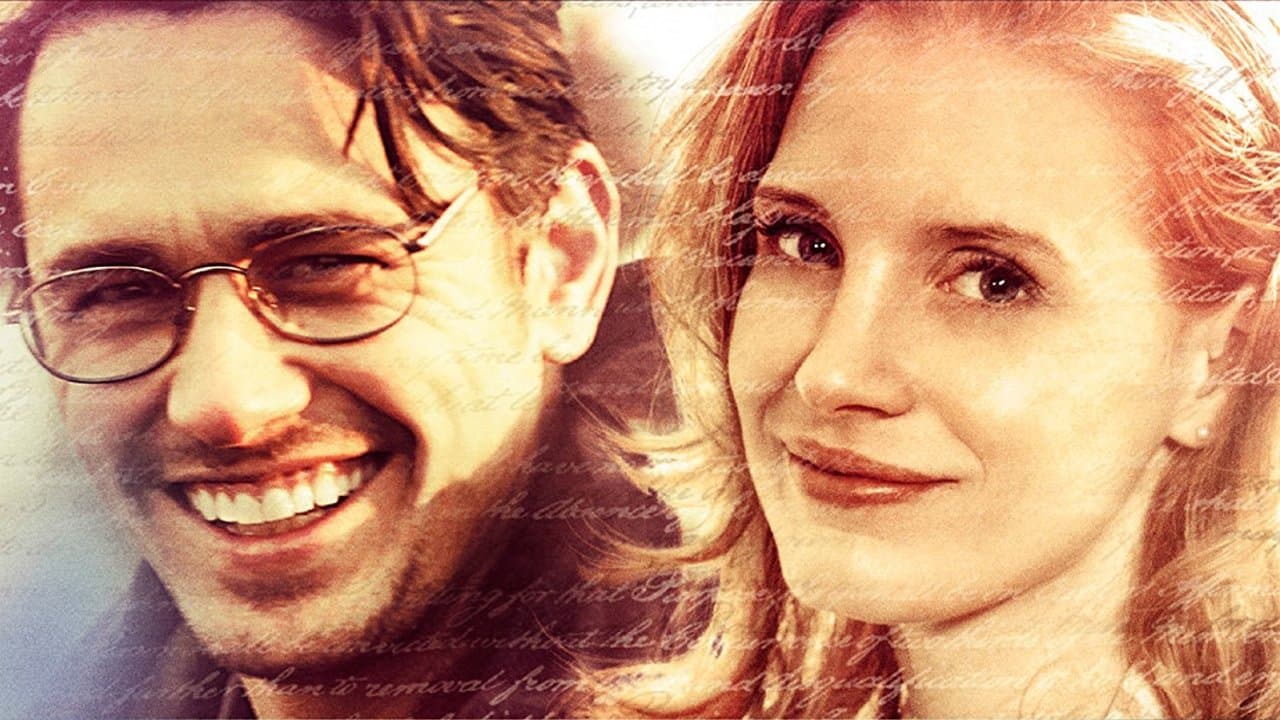
The Color of Time isn't your typical biographical drama. Instead of a linear march through C.K. Williams' life, the film treats his existence as a series of overlapping memories, moments, and emotional snapshots spanning four decades. You're not watching a birth-to-death narrative with neat chapter breaks—you're moving through the interior landscape of a Pulitzer Prize-winning poet, the kind of experience that feels more like reading fragmented verse than sitting through a traditional biopic. The film follows Williams across different ages and stages, with various actors embodying him at different points in time, creating a kaleidoscopic portrait of one man's artistic journey.
Behind the Making of The Color of Time
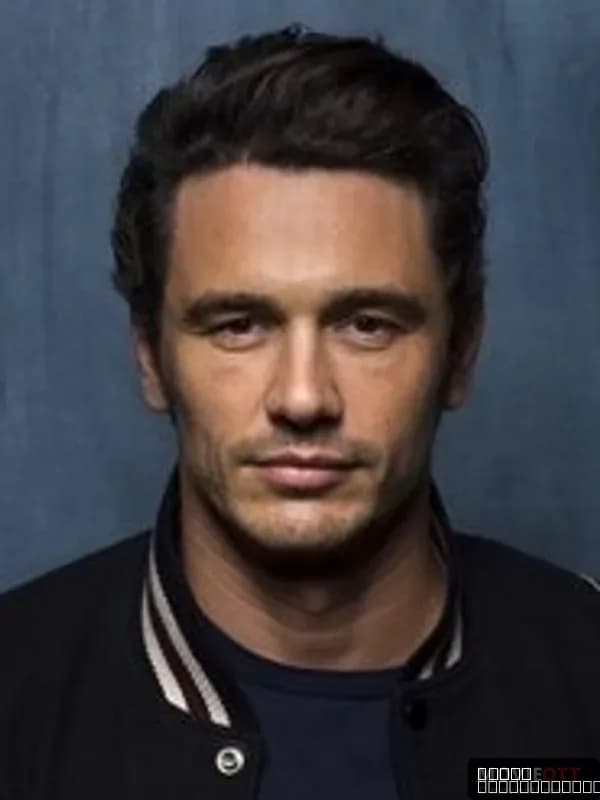
Here's where The Color of Time gets genuinely interesting from a production standpoint. The film was written and directed by twelve New York University film students whose teacher was James Franco—yes, the actor. Franco didn't just mentor them; he starred in the project as well, lending his name and face to what was essentially a thesis film. The cast reads like a who's who of mid-2010s Hollywood: Bruce Campbell, Mila Kunis, Jessica Chastain, Zach Braff, and Henry Hopper all appear throughout, each taking on versions of Williams or people in his orbit.
Released in 2012, The Color of Time arrived as an independent production from Victorino Noval Productions and Rabbit Bandini Productions—small operations betting on an unconventional approach to biography. The 72-minute runtime is deceptively short; it moves quickly, sometimes too quickly, through decades of lived experience. At its core, this was a student film with major Hollywood backing and star power, which meant expectations were high and the critical scrutiny was intense. The film didn't break box office records (it's an indie drama, after all), but its existence alone—a classroom project that got theatrical distribution and a major cast—remains remarkable.
Why The Color of Time Struggles to Connect
Let's be honest: The Color of Time carries an IMDb rating of 3.9 out of 10, which tells you something about how audiences and critics received it. The ambition is there—trying to capture the interior life of a poet through fragmented, non-linear storytelling is a worthy goal. The problem is execution. What's striking is how the film's experimental structure, meant to mirror the associative leaps of poetry and memory, often just feels scattered. You're jumping between actors, between time periods, between scenes that don't quite cohere into a coherent emotional arc.
The performances themselves aren't the issue. Franco brings a certain introspective quality to Williams, and having actors like Kunis and Chastain pop in and out creates visual interest. But the screenplay—written by those same twelve students—can't quite justify why we should care about these particular moments, these particular scenes. It's like watching someone flip through a photo album of someone else's life. You might admire the photography, but you don't feel the weight of the memories. The film wants to be poetic, experimental, daring. Instead, it often feels like a well-intentioned exercise that doesn't quite land, a creative swing that misses more than it connects.
Where to Stream The Color of Time Online
The Color of Time is available on major OTT services, and if you're curious about checking it out, Movie OTT tracks where it's currently streaming so you don't have to hunt across five different apps. The "Where to Watch" widget at the top of this page shows you exactly which platforms have it right now—availability changes seasonally, so it's worth checking there before you start looking. Since it's an independent film with a modest distribution footprint, it won't be on every streaming service, but if you've got a subscription to the major players, there's a decent chance you'll find it somewhere.
Frequently Asked Questions
Q: Is The Color of Time based on a true story?
Yes. The film is a biographical drama about C.K. Williams, an American poet who won the Pulitzer Prize for Poetry in 2000. The movie attempts to trace his life across 40 years, though it does so in a non-traditional, fragmented way rather than as a straightforward chronological account.
Q: Who directed The Color of Time?
The film was written and directed by twelve New York University film students as their thesis project. James Franco was their teacher and mentor, and he also starred in the film alongside an ensemble cast including Mila Kunis, Jessica Chastain, and Bruce Campbell.
Q: How long is The Color of Time?
The film runs 72 minutes, which is relatively short for a biography. Despite its brevity, it covers four decades of the poet's life, moving through different periods and ages rapidly.
Q: Why does The Color of Time have such a low rating?
The film's experimental, non-linear structure and fragmented narrative approach didn't resonate with most viewers and critics. While the ambition to capture a poet's interior life through associative storytelling is admirable, many felt the execution fell short, leaving audiences confused rather than moved.
Q: Where can I watch The Color of Time right now?
The film is available on major OTT streaming platforms. Movie OTT's streaming tracker shows you exactly which services currently have it available in your region—availability varies by location and changes over time.
Final Thoughts on The Color of Time
The Color of Time is a fascinating failure, if you want to be generous about it. It's the kind of film that swings for the fences and whiffs—but at least it swung. Not many student films get this kind of platform, this kind of cast, this kind of ambition. If you're interested in experimental cinema, in watching talented people take risks, or in understanding how Hollywood mentorship can create strange hybrid projects, it's worth ninety minutes of your time. Just don't expect a traditional biography. Go in knowing you're watching a poem about a poet, not a documentary about his life—and even then, you might still be disappointed.