









The Story of The Crossing II: Love in the Shadow of Revolution
The Crossing II is set in one of modern Asia's most turbulent periods—the 1940s, when the Chinese civil war was reshaping the continent and ordinary people found themselves caught between collapsing empires and uncertain futures. The film doesn't follow a single protagonist but instead tracks three separate couples whose romantic arcs intersect and echo one another across the cities of Shanghai and Taiwan. At the heart of the narrative sits a real historical event: the 1949 sinking of the Taiping, a ship that became a symbol of displacement and tragedy as people fled the mainland. What makes this approach compelling is that the film refuses to treat the historical backdrop as mere wallpaper. Instead, the personal and the political collide constantly—lovers separated by ideology, families torn apart by circumstance, and the impossible choices people make when survival and devotion are at odds.
Behind the Making of The Crossing II: Production and Pedigree
The Crossing II arrived in 2015 as the second installment in The Crossing Collection, a franchise that had already established itself as an ambitious attempt to dramatize modern Chinese history through the lens of intimate human stories. The film was produced by a coalition of major Chinese studios: Beijing Gallop Horse Film & TV Production partnered with Lion Rock Productions, Yoozoo Pictures, Huace Pictures (华策影业), and the China Film Group Corporation—a lineup that signals substantial investment and industry backing. A 131-minute runtime is no joke; the filmmakers clearly weren't interested in a lean, conventional narrative. They wanted space to breathe, to develop character relationships, and to let historical detail accumulate naturally rather than through exposition dumps. The production design alone—recreating 1940s Shanghai and Taiwan with period-accurate detail—represents the kind of commitment that separates prestige historical drama from the rushed stuff. Box office performance in China was solid, though international distribution remained limited, which explains why Western audiences have largely overlooked this title until streaming platforms began cataloging deeper cuts from Asian cinema.
What Makes The Crossing II Stand Out: Ambition and Restraint
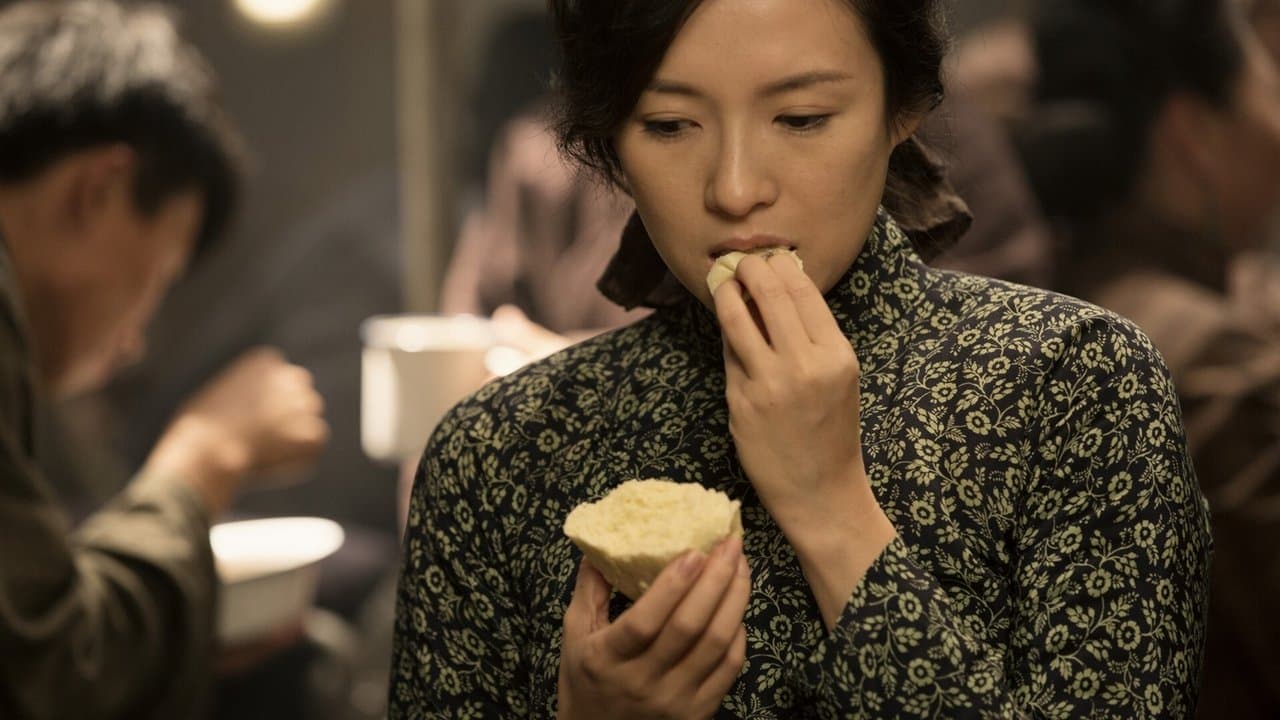
Here's the thing about The Crossing II that's worth understanding: it's a film that reaches for something genuinely difficult—the idea that history isn't just about nations and ideologies, but about the people who have to live through it, often without knowing what comes next. The performances anchor the whole enterprise. Rather than melodramatic declarations, you get characters who struggle to articulate what they feel because the world is collapsing around them. One moment that lingers: a scene where a character realizes their lover has made a choice that puts them on opposite sides of an impossible divide. No grand speeches. Just recognition, and loss. The IMDb rating of 5.3/10 might suggest the film didn't land universally—and that's fair. Not every viewer wants a three-hour meditation on heartbreak set during wartime. Some found the pacing deliberate to the point of sluggish, others felt the three-couple structure diluted emotional impact rather than deepening it. But what's striking is that the film doesn't try to please everyone. It commits to its vision: that love stories matter even—or especially—when history is steamrolling over them. The cinematography captures both the elegance of pre-war Shanghai and the gray desperation of flight and exile. There's a visual sophistication here that suggests the filmmakers understood they were making something for people willing to sit with complexity.
Where to Stream The Crossing II Online
The Crossing II is currently available on major OTT services, and Movie OTT maintains an up-to-date widget at the top of this page showing exactly which platforms have it in your region right now. Streaming rights shift constantly—what's on Netflix one month might move to a specialty service the next—so checking that widget before you start searching is worth your time. If you're hunting for other historical dramas or Chinese-language cinema, Movie OTT's platform aggregator makes it simple to find similar titles across all the services you already subscribe to, rather than bouncing between three apps trying to remember where you saw something. The 131-minute runtime means you'll want to carve out a real block of time; this isn't something to half-watch while scrolling.
Frequently asked questions
Q: Is The Crossing II based on a true story?
It's based around a real historical event—the 1949 sinking of the Taiping—but the three couples and their specific love stories are fictional. The film uses actual history as the framework within which imagined human dramas unfold, which is a common approach in prestige historical fiction.
Q: Do I need to watch The Crossing (2014) first?
The Crossing II is the second film in The Crossing Collection, but it's designed to work as a standalone story. You won't be lost if you haven't seen the first film, though watching them in order might deepen your appreciation for how the franchise explores different angles of the same historical moment.
Q: What's the runtime, and will I need subtitles?
The Crossing II runs 131 minutes and is a Chinese-language production, so yes, you'll need subtitles unless you speak Mandarin. The length gives the filmmakers room to develop character and atmosphere rather than rushing through plot.
Q: Why is the IMDb rating so low if the film is well-made?
A 5.3/10 reflects the fact that not every viewer connects with slow-burn, character-driven historical drama—especially one that prioritizes emotional nuance over action or clear narrative resolution. It's a divisive film by design, not a flaw in execution.
Q: What genres should I expect?
The Crossing II blends action, drama, and romance, though "action" here means wartime sequences and chase scenes rather than set pieces. It's primarily a drama about how people love and lose each other during historical upheaval.
Final Thoughts on The Crossing II: Who Should Watch
The Crossing II isn't for everyone, and it doesn't pretend to be. If you're drawn to patient, character-focused cinema that trusts you to sit with ambiguity and heartbreak—if you're interested in how ordinary people navigate extraordinary historical moments—then this film deserves your time. It's a reminder that some of the most interesting stories about war and revolution aren't about generals or ideology, but about the couples separated by borders, the families divided by choice, and the small human moments that persist even when empires fall. Don't expect catharsis or neat resolution. Expect something messier and more true.