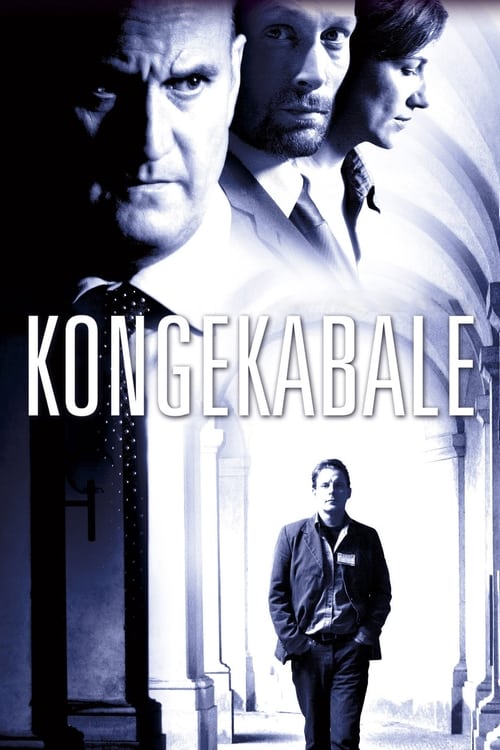










The story of The Day Will Come
The Day Will Come centers on two young brothers whose lives are torn apart the moment they're admitted to a state-run boys' home in 1960s Denmark. What should be a place of refuge becomes a prison—one where the headmaster, the terrifying figure known as Heck, rules through fear, violence, and psychological torment. The brothers have almost nothing: no outside allies, no one checking on them, no escape route that doesn't lead back to the same nightmare. What they do have is each other, a vivid imagination, and a stubborn refusal to let the system completely break them. The film doesn't shy away from what happens inside those walls. It's a story about the fragility of childhood and the resilience that sometimes emerges when there's nowhere left to turn.
Behind the making of The Day Will Come
Danish director Rasmus Heisterberg helmed this 2016 production, which was developed by Zentropa Entertainments and FilmFyn, with support from Zentropa International Sweden and Film i Väst. The film runs 119 minutes and carries significant weight—both in its runtime and its subject matter. What's remarkable is that Heisterberg didn't invent this story. The Day Will Come is grounded in actual historical events, drawing from documented cases of abuse at Scandinavian institutions during the mid-twentieth century. This isn't a dramatization that takes liberties for effect; it's a dramatization that honors the truth by refusing to soften it. The production team approached the material with the gravity it deserved, casting performers who could carry the emotional and physical demands of depicting institutional trauma without turning it into exploitation. The film has maintained strong audience engagement since its release, earning a 7.552 rating on IMDb—a score that reflects both critical appreciation and viewer investment in its story.
What makes The Day Will Come stand out
There's something about this film that stays with you long after the credits roll. The performances are restrained in a way that actually makes the horror more effective—the brothers don't perform their suffering for us, they live it, and we're forced to witness it without the comfort of melodrama. What's striking is how the film uses small moments: a glance between the brothers, a whispered plan, the way one child tries to protect the other. These aren't the dramatic crescendos you'd expect; they're the quiet acts of resistance that matter most when you're powerless. Heisterberg doesn't waste time on exposition or explanation. He trusts the audience to understand institutional cruelty without having it spelled out, and that restraint—that refusal to over-explain or over-sentimentalize—is what gives the film its force. The cinematography reflects the bleakness of the setting without becoming oppressive itself. You're watching a story that could've been exploitative in lesser hands, but instead it's respectful, grounded, and deeply human. The thing nobody mentions is how much the film respects the brothers' agency, even in a situation designed to strip it away. They're not passive victims waiting for rescue; they're active participants in their own survival, however limited their options.
How to watch The Day Will Come online
The Day Will Come is currently available on major streaming platforms, and Movie OTT tracks where you can watch it right now. Rather than hunting across multiple services yourself, you can check the Where to Watch widget at the top of this page—it'll show you exactly which platforms have it available in your region, whether that's a subscription service, rental option, or free tier. Streaming availability shifts constantly, so that widget is your best bet for current information. If you're planning to watch, set aside nearly two hours and make sure you're in the right headspace—this isn't background viewing material. It demands your attention and your emotional presence.
Frequently asked questions
Q: Is The Day Will Come based on a true story?
Yes. The film is grounded in actual historical events from 1960s Danish institutions where children were subjected to systematic abuse. Director Rasmus Heisterberg drew from documented cases to create this narrative, making it both a dramatization and a historical record.
Q: Who directed The Day Will Come?
Rasmus Heisterberg directed the film. He brought a restrained, unflinching approach to the material, avoiding sensationalism while maintaining the emotional and historical weight of the story.
Q: How long is The Day Will Come?
The film runs 119 minutes, giving Heisterberg enough time to develop the brothers' relationship and the slow, grinding horror of their situation without rushing through either.
Q: What's the IMDb rating for The Day Will Come?
The film holds a 7.552 rating on IMDb, reflecting strong audience appreciation for its performances, direction, and unflinching treatment of a difficult subject.
Q: What year was The Day Will Come released?
The film was released in 2016 and was produced by Zentropa Entertainments, FilmFyn, and other Scandinavian production companies committed to telling important stories about institutional history.
Final thoughts on The Day Will Come
If you're looking for an easy watch, this isn't it. But if you're looking for something that matters—something that tells a true story about real suffering with dignity and power—The Day Will Come is essential viewing. It's the kind of film that reminds you why cinema can be a force for bearing witness, for refusing to look away, for honoring those whose voices were silenced. The brothers' story deserves to be seen and remembered, and Heisterberg's film ensures that it will be.