

The story of The Death of Dracula
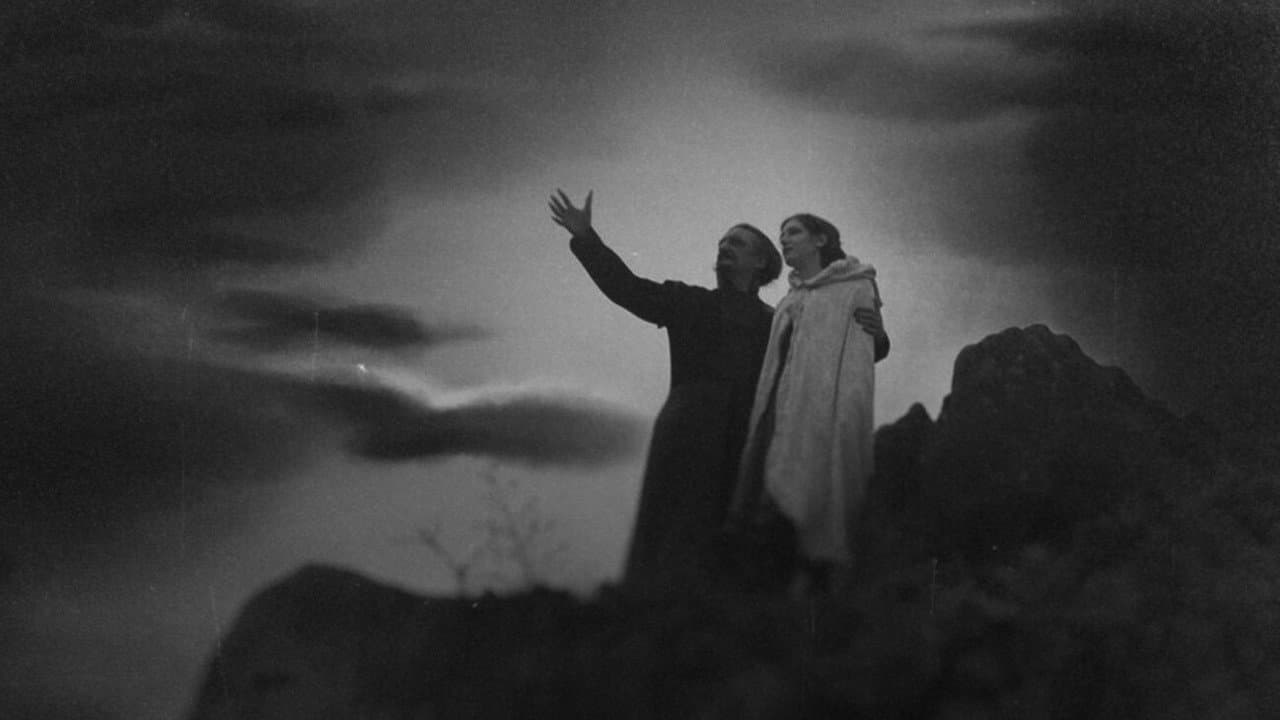
The Death of Dracula isn't your typical vampire tale. This 60-minute film exists in a strange liminal space between history and restoration—a work that predates F. W. Murnau's Nosferatu by a year, yet spent most of the twentieth century lost to the world. The original 1921 production, a co-production between Hungary, Austria, and France, was one of cinema's earliest encounters with Bram Stoker's Count, though it doesn't follow the novel's plot. What we're watching today isn't the original film—that's gone, destroyed during the Second World War along with its negative and surviving prints. Instead, what's been reconstructed is something more like an archaeological act: a script derived from a book published by Lajos Pánczél after the film's original release, then shot anew using that reproduced screenplay. It's a ghost of a ghost, in other words.
Behind the making of The Death of Dracula
The production history alone is worth dwelling on. The Bethlen Gábor Foundation and Sapientia EMTE undertook the restoration and reconstruction work, which required hunting down not just the film itself—impossible, since it no longer exists—but the textual DNA that could bring it back to life. When the original screenplay proved untraceable, they turned to Pánczél's novelization, published in the wake of the film's theatrical run. From that book, a new script was painstakingly reverse-engineered, and then, remarkably, the film was shot again using that reproduced material. This isn't a restoration in the traditional sense; it's more accurately described as a scholarly reconstruction, the kind of work film archivists and historians have been doing for decades with lost silent films—though rarely with such narrative weight attached. The original 1921 version, directed by Károly Lajthay, was groundbreaking precisely because it arrived so early in cinema's engagement with the Dracula legend, predating Murnau's far more famous Nosferatu (1922). The fact that it's being brought back into circulation at all, even in this reconstructed form, speaks to the ongoing effort to recover lost cinema and understand how these foundational horror stories were first visualized on screen. What's striking is that this isn't some obscure archival curiosity—it's a legitimate historical artifact being given new life.
What makes The Death of Dracula a significant horror reconstruction
Why does this matter? Because seeing how an earlier filmmaker than Murnau tackled Dracula—without the expressionist visual vocabulary that would define Nosferatu—offers a window into a different aesthetic approach to the material. The 1921 version doesn't follow Stoker's novel, which means it was already engaged in the kind of creative reimagining that would become standard practice for Dracula adaptations. The film works as both a historical document and as a genuine work of cinema, even if it's been mediated through reconstruction. What's interesting about the current release is that it arrives without the baggage of expectation that might come with, say, a newly discovered Murnau reel. Instead, we're invited to encounter this as something simultaneously new and ancient—a film from 1921 that's being shown to audiences for the first time in living memory. There's no pressure to compare it to the "original experience" because that experience is lost. We're watching what scholars and archivists believe the film was, based on textual evidence. That's a humbling thing to sit with. The horror genre, after all, thrives on atmosphere and the suggestion of dread, and a reconstructed silent film—one without the original cinematography, the original actors, the original mise-en-scène—has to work harder to create that feeling. Whether this version succeeds is perhaps less important than the fact that it exists at all.
Where to stream The Death of Dracula online
The Death of Dracula is currently available on major OTT services, making this piece of cinema history accessible without requiring a trip to a specialized archive or festival. If you're looking for where to watch it, check the streaming-availability widget at the top of this page—it'll show you exactly which platforms carry the film right now. Movie OTT tracks current availability across services, so you can jump straight to watching rather than hunting through multiple apps. Since streaming catalogs shift monthly, that widget is your best bet for finding it. For a film this historically significant—the first-ever Dracula adaptation—the democratization of access through streaming is genuinely important. It means students of cinema history, horror fans, and the merely curious can all encounter this reconstructed work without gatekeeping.
Frequently asked questions
Q: Is The Death of Dracula the original 1921 film?
No. The original negative and all surviving prints were destroyed during World War II. What's being shown now is a reconstruction based on a novelization of the original screenplay, shot anew using that reproduced script.
Q: Who directed The Death of Dracula?
Károlyi Lajthay co-wrote and directed the original 1921 version. The current reconstruction was overseen by the Bethlen Gábor Foundation and Sapientia EMTE.
Q: Is The Death of Dracula based on Bram Stoker's novel?
The original film doesn't follow Stoker's plot, though it features Count Dracula as a character. It's an early, independent adaptation that predates Nosferatu by one year.
Q: How long is The Death of Dracula?
The film runs 60 minutes, making it a relatively compact entry in the Dracula canon.
Q: Why was The Death of Dracula lost for so long?
The original film was destroyed during the Second World War, along with its negative and surviving copies. It remained lost until scholars recovered the source material needed to reconstruct it decades later.
Final thoughts on The Death of Dracula
There's something oddly moving about watching a film that's been reconstructed from the ashes of history—both literally and metaphorically. The Death of Dracula doesn't arrive as a pristine masterpiece or a lost Welles manuscript. It arrives as evidence of cinema's fragility and our determination to preserve it anyway. If you're drawn to horror cinema, film history, or the strange genealogy of the Dracula myth, this is essential viewing. And if you're just curious about what the first Dracula film ever made might have looked like, well, now you can find out. Stream it. It won't change your life. But it might change how you think about what gets lost, and what we're capable of recovering.