





The story of The Double Hour: Romance meets deception
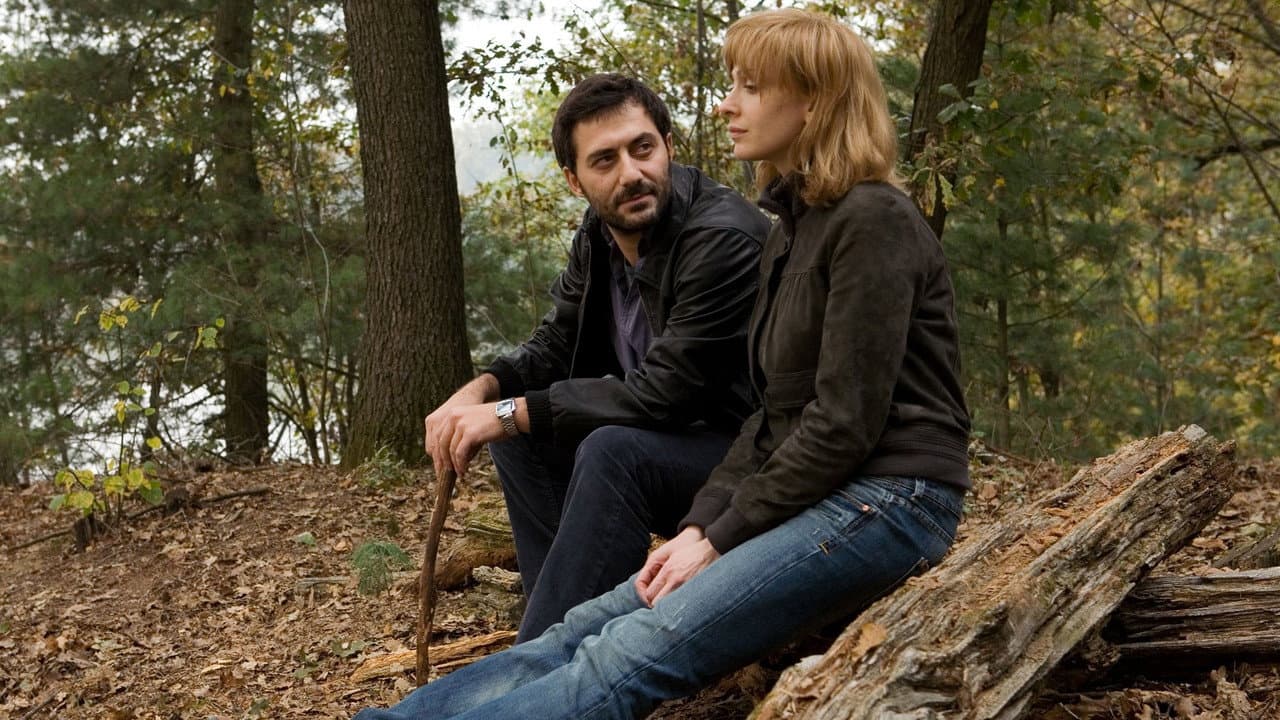
The Double Hour opens with something almost mundane — a speed dating event where two ordinary people cross paths. One is Sonia, a chambermaid working in Turin, and the other is Marco, a former cop trying to rebuild his life. There's an immediate spark between them, and what starts as a chance encounter blossoms into genuine romance. They seem suited for each other in ways that feel earned rather than contrived, and for a film that's ostensibly about mystery and crime, the early stretches actually let you believe in their connection. But then, during what should be an idyllic romantic getaway, everything shifts. Her past—a past she's kept carefully hidden—surfaces in ways that neither character saw coming, and the film pivots from love story into something far more unsettling. Without spoiling the mechanics, what makes this work is that the film doesn't treat the revelation as a cheap trick. It's woven into the fabric of who these people are.
Behind the making of The Double Hour: Awards, casting, and Italian cinema
Director Giuseppe Capotondi crafted The Double Hour as a production that blended Italian sensibility with international appeal, and the results spoke for themselves almost immediately. The film premiered in competition at the Venice Film Festival in September 2009, where it made a genuine impression—Kseniya Rappoport, a Ukrainian-born actress, took home the Volpi Cup for Best Actress, one of the festival's most prestigious acting awards. That kind of recognition doesn't come from nowhere. Rappoport's performance as Sonia carries the emotional weight of the entire film, and her ability to shift between vulnerability and inscrutability is what allows the story's twist to land with real force. Opposite her, Filippo Timi (an Italian actor with a strong reputation in European cinema) grounds Marco as someone caught between his past and his present. The film was produced by Indigo Film and Medusa Film, with principal photography taking place across Turin in late 2008. It had a solid Italian release on October 9, 2009, and later screened at the Toronto Film Festival that same year. Samuel Goldwyn Films handled the US distribution, bringing it to American audiences on April 15, 2011—a gap that speaks to how international cinema finds its way to different markets at different speeds.
What makes The Double Hour stand out: Performance and the art of misdirection
What's striking is how the film uses genre conventions against itself. You come in expecting one thing—a romance with some crime elements—and the movie isn't interested in giving you exactly what you anticipated. Rappoport's work here is genuinely remarkable because she has to play a character who is simultaneously trustworthy and unknowable, and she manages both without tipping her hand too early. The thing nobody mentions is that this kind of dual performance requires an actor to essentially live in two different emotional registers at once, and she does it so naturally that you don't realize you're being played until the film wants you to. Timi, for his part, brings a weary authenticity to Marco—he's not a typical action-movie cop, but rather someone who's tired and looking for a real connection, which makes his vulnerability feel genuine rather than weak. The direction from Capotondi is precise and economical. At 95 minutes, the film doesn't waste time, and the pacing builds in a way that mirrors how trust develops between two people—slowly at first, then with accelerating intensity. There's a scene early on where they're together in a quiet moment, and the camera lingers just long enough to make you believe they're falling for each other, which becomes crucial when everything goes sideways. The cinematography has that cool, slightly detached Italian thriller aesthetic—not quite noir, but not quite contemporary either—that gives the whole thing a slightly timeless quality.
Where to stream The Double Hour online
The Double Hour is currently available on major OTT streaming services, and Movie OTT maintains an up-to-date widget at the top of this page showing exactly where you can watch it right now—whether that's Netflix, Prime Video, or any of the other platforms carrying it. Availability varies by region and changes seasonally, so that widget is your best resource for current information. The film's 95-minute runtime makes it a manageable watch even on a weeknight, though honestly, you'll probably want to give it your full attention. Don't put this on in the background.
Frequently asked questions
Q: Who directed The Double Hour?
Giuseppe Capotondi directed the film. It was his feature that premiered at Venice in 2009 and established him as a filmmaker interested in genre storytelling with psychological depth.
Q: Did The Double Hour win any awards?
Yes—Kseniya Rappoport won the Volpi Cup for Best Actress at the Venice Film Festival in 2009, one of the most prestigious acting honors in international cinema. The film itself generated significant critical attention.
Q: Is The Double Hour based on a true story?
No, it's an original screenplay. The story was created specifically for the film and isn't adapted from another source, which gives Capotondi full creative control over how the twists unfold.
Q: What's the runtime of The Double Hour?
The film runs 95 minutes, making it a lean, focused thriller that doesn't overstay its welcome. It's efficient storytelling without feeling rushed.
Q: Where can I watch The Double Hour?
Check the streaming availability widget at the top of this page on Movie OTT to see which platforms currently have it in your region. Availability changes regularly, so that's your most reliable source.
Final thoughts on The Double Hour
The Double Hour is the kind of film that rewards your attention—it's not flashy or trying to be the biggest thing you'll watch this month, but it's genuinely well-made and anchored by two strong performances. It works as a romance, as a thriller, and as a character study, which is harder to pull off than it sounds. If you're looking for something that won't waste your time but will stick with you after it ends, this is worth your 95 minutes. It's the sort of film that makes you want to immediately discuss what just happened, which is really what cinema should do.