


The Story of The Fallout: Trauma and Unexpected Connection
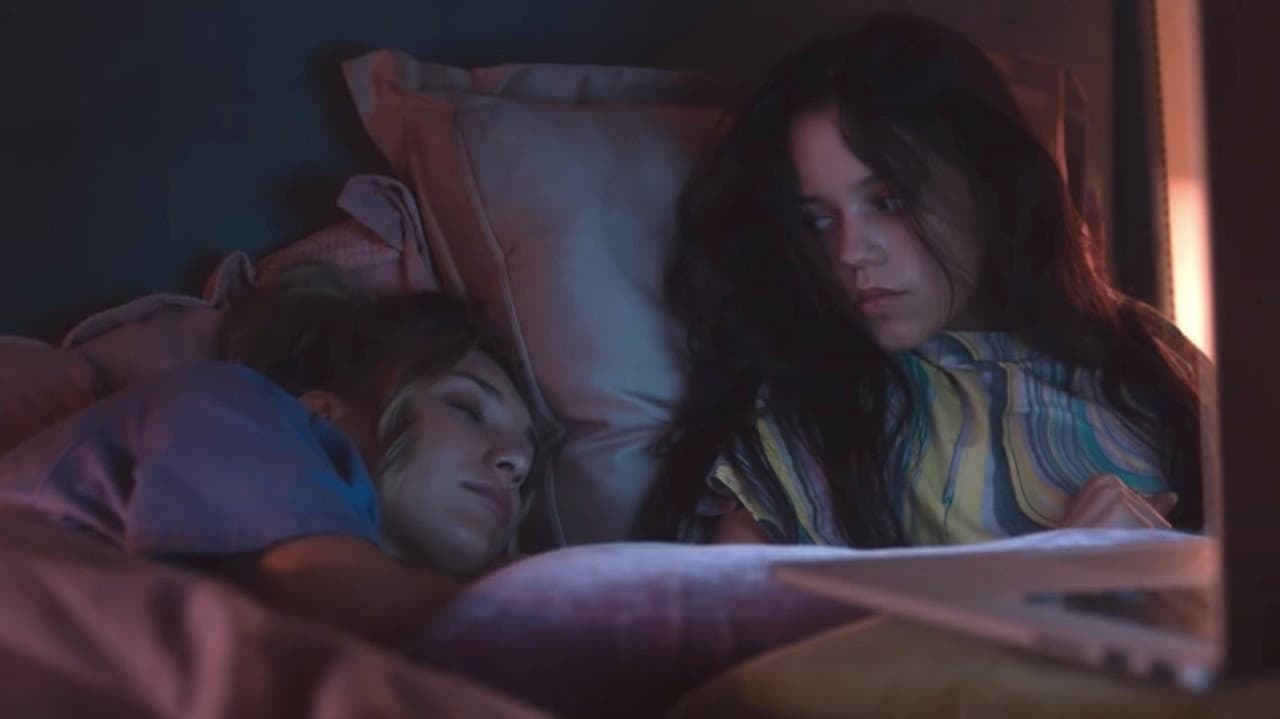
The Fallout opens in the immediate aftermath of a school shooting—an event that shatters the carefully constructed normalcy of high school life for its three main characters. Vada, a quiet, introspective student, finds herself in a bathroom with two other teenagers, Mia and Quinton, when tragedy strikes. What happens next isn't a conventional trauma narrative. Instead, it's the messy, nonlinear aftermath—the part nobody really knows how to talk about. The film doesn't dwell on the event itself but rather on what comes after: the fractured attempts at healing, the strange bonds that form between survivors, and the way grief doesn't follow a script. It's a story about three teenagers trying to make sense of a world that's suddenly become incomprehensible, and in doing so, they discover something unexpected in each other.
Behind the Making of The Fallout: Park's Directorial Vision and Cast Excellence
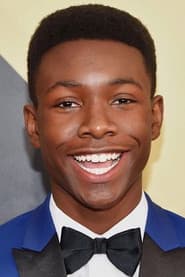
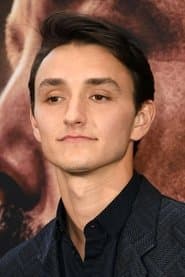
Megan Park wrote and directed The Fallout as her feature film debut, a bold choice for tackling such a sensitive subject. The film arrived in 2021 with a runtime of 96 minutes and an R rating, giving Park room to explore the raw emotional landscape of her characters without sanitizing their language or experiences. The production involved Clear Horizon Entertainment and SSS Entertainment, and the ensemble cast brought significant weight to the material. Jenna Ortega carries the film as Vada, with supporting performances from Maddie Ziegler (best known for her dance work and acting in television), Niles Fitch, Will Ropp, and a notable appearance by Shailene Woodley. The score, composed by Finneas O'Connell—who's also known for his work as Billie Eilish's collaborator—adds an understated emotional texture throughout.
Critically, The Fallout landed with serious acclaim. It holds a 90% on Rotten Tomatoes, a Metascore of 84, and an IMDb rating of 7.0 from over 41,000 votes. The film earned 6 wins and 6 nominations across various award circuits, signaling that Park's debut was recognized not as a first-time effort but as a fully realized artistic statement. For those tracking where films land in the critical ecosystem, these numbers put The Fallout squarely in the "substantial drama" category—the kind of film that doesn't chase trends but instead trusts its audience to sit with difficult material.
What Makes The Fallout Stand Out: Performance and Emotional Authenticity
What's striking about The Fallout is how it refuses to be a "school shooting movie" in the way we've come to understand that genre. It's not about the event; it's about the aftermath, and that distinction matters enormously. The performances, particularly Ortega's, capture something true about how teenagers actually process trauma—through humor, through avoidance, through strange moments of connection that feel both genuine and fragile. Ziegler, too, brings a vulnerability to Mia that could've easily tipped into melodrama in less capable hands. Instead, she and Ortega create a dynamic that feels lived-in, the kind of friendship that forms in crisis and might not survive outside it.
I keep coming back to how the film treats its central bathroom scene not as climax but as inciting incident. Everything unfolds from that moment, but the camera doesn't linger on horror—it moves forward into the complicated emotional wreckage. That's Park's real skill here: understanding that trauma doesn't resolve neatly, and that healing looks less like a journey with a destination and more like three people figuring out how to exist in the same space while carrying different kinds of pain. The dialogue crackles with authenticity, the kind of thing you'd expect from a Gen Z-focused narrative, but it never feels like Park is trying to sound young. She's just listening.
On Movie OTT, you'll find The Fallout listed alongside other significant indie dramas, but what separates it in the streaming landscape is how it's aged. This isn't a film that feels dated or precious two years later. If anything, it's become more urgent—a film that understands something about how trauma ripples through communities and how young people are asked to process things that previous generations weren't forced to confront so publicly.
Where to Stream The Fallout Online
The Fallout is currently available on major OTT services. Movie OTT tracks current streaming availability across platforms, and you can check the "Where to Watch" widget at the top of this page to see exactly which services are carrying it in your region right now. Streaming rights shift regularly, so it's worth confirming availability before you settle in—but the good news is that a film with this much critical and audience traction tends to stay in circulation across multiple platforms.
Frequently asked questions
Q: Who directed The Fallout?
Megan Park wrote and directed The Fallout as her feature film directorial debut. The film was released in 2021 and earned significant critical acclaim for Park's handling of a sensitive subject matter.
Q: What is The Fallout rated, and why?
The Fallout is rated R, primarily for language and thematic content related to its subject matter. The rating allows Park to explore the authentic ways teenagers speak and process trauma without sanitization.
Q: Is The Fallout based on a true story?
No, The Fallout is an original screenplay written by Megan Park. While it deals with the real issue of school shootings, the characters and specific narrative are fictional creations designed to explore how survivors process collective trauma.
Q: How long is The Fallout?
The film runs 96 minutes, a lean runtime that Park uses efficiently to move through the immediate aftermath and early healing process without padding or unnecessary scenes.
Q: Who stars in The Fallout?
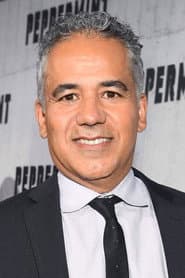
Jenna Ortega leads the film as Vada, with Maddie Ziegler as Mia and Niles Fitch as Quinton. The supporting cast includes Will Ropp, Julie Bowen, John Ortiz, and Shailene Woodley, with a score by Finneas O'Connell.
Final Thoughts on The Fallout
The Fallout isn't easy viewing. It's not supposed to be. But it's also not punishing or self-serious in the way some trauma narratives can be—Park understands that her characters are teenagers, and teenagers laugh, they deflect, they find weird moments of joy even in darkness. That balance—between the weight of what they've experienced and the stubborn resilience of youth—is what makes this film essential. It's the kind of drama that sticks with you, not because it's shocking, but because it's honest.