What The Family Man is about
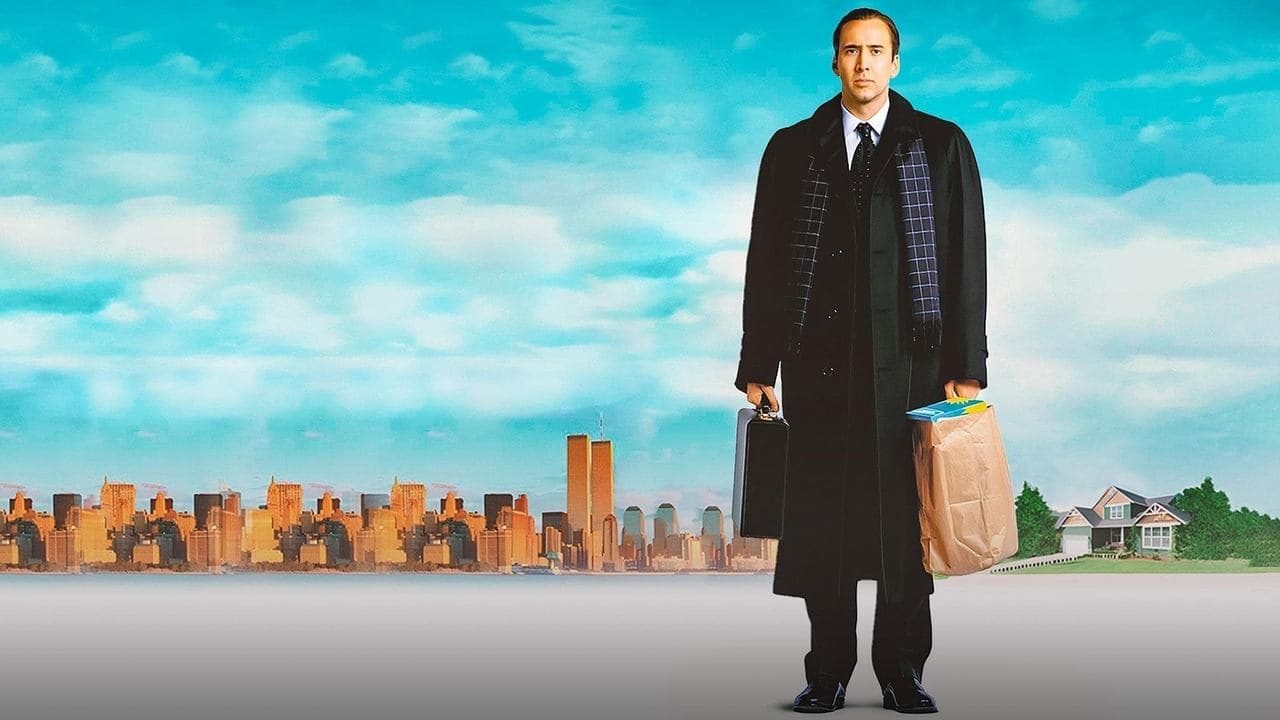
The Family Man follows Jack Campbell, a slick Manhattan investment banker living the high-octane dream—penthouse apartment, seven-figure salary, zero attachments. Then one Christmas Eve, he intervenes in a grocery store holdup, disarms the gunman, and goes to sleep thinking he's just saved a life. He wakes up the next morning in a New Jersey suburb, lying next to Kate, the college girlfriend he dumped fifteen years ago to pursue his career. His fancy apartment, his corner office, his entire glamorous existence—gone. In their place: a modest house, two kids he's never met, a job selling tires, and a wife who's still waiting for him to figure out what actually matters. Jack doesn't believe any of it's real at first, but as he stumbles through this alternate suburban universe, he's forced to confront the road not taken—and whether the life he chose was ever worth the price.
Behind the making of The Family Man
Brett Ratner directed this 2000 romantic fantasy-comedy from a screenplay by David Diamond and David Weissman, with backing from Beacon Pictures, Saturn Films, and Universal Pictures. The film stars Nicolas Cage in the lead role, supported by Téa Leoni as Kate, Don Cheadle as a mysterious guide figure, Saul Rubinek, and Jeremy Piven. What's striking is how the casting alone signals the film's central tension: Cage, known for intense dramatic work and eccentric choices, plays a man stripped of all his armor and forced to inhabit ordinariness. Leoni brings warmth and genuine hurt to Kate, refusing to make her simply a prize to be won back. The supporting cast—particularly Cheadle's enigmatic presence—anchors the magical realism without winking at the audience. The film arrived during a moment when holiday fantasy-comedies were having a moment, but The Family Man distinguished itself by refusing easy sentiment. It didn't become a massive box-office juggernaut, but it found its audience and has maintained a devoted following among viewers who return to it each December, which speaks to its durability as a piece of entertainment that asks real questions.
Why The Family Man still lands
The film works because it refuses to be cynical about either life path. That's rare. Most movies about the road not taken sneer at the choice you didn't make—either corporate ambition is portrayed as soul-crushing and hollow, or family life is depicted as suffocating compromise. The Family Man respects both. Jack's old life wasn't a lie; he was genuinely good at it, genuinely driven by something real, even if that something was partly ego and fear. But here's the thing that gets you about this film: watching him slowly realize that the life he thought he was missing out on actually contains everything he needs—not because it's perfect, but because it's real and it's his—that's where the movie earns its emotional weight. Cage's performance is surprisingly vulnerable; he doesn't play Jack's discovery as a triumphant awakening but as a slow, painful unraveling of all his defenses. The suburban scenes aren't filmed as comedic hell—they're filmed as ordinary life, which is precisely why they become profound. Movie OTT tracks where you can find films like this, the kind that sit with you after the credits roll, and The Family Man is exactly that sort of movie. It's not flashy. It doesn't have a twist ending that recontextualizes everything. It just asks you to sit with a man learning that he might have been wrong about what he wanted, and then asks you what you'd do if you got that same chance.
Where to stream The Family Man online
The Family Man is currently available on major OTT services, and you can check the Where to Watch widget at the top of this page to see which platforms are carrying it in your region right now. Availability shifts seasonally—the film tends to pop up on various services around the holidays—so if you don't see it on your current subscriptions, it's worth checking back closer to December. Movie OTT keeps its streaming database updated across Netflix, Prime Video, and other major platforms, so you'll always know where to find it when the mood strikes.
Frequently asked questions
Q: Is The Family Man based on a true story?
No, it's a fictional fantasy-comedy written by David Diamond and David Weissman. The alternate-reality premise is entirely imaginative, though the emotional questions it raises about life choices feel very real.
Q: Who directed The Family Man?
Brett Ratner directed the film in 2000. Ratner would go on to direct the Rush Hour franchise and other studio comedies, but The Family Man remains one of his most thoughtful works.
Q: What's the runtime of The Family Man?
The film runs 125 minutes, which gives it enough breathing room to develop both Jack's old life and his new one without feeling rushed.
Q: Is The Family Man a Christmas movie?
It starts on Christmas Eve and uses that holiday framework to explore its central question, so yes—it's absolutely a holiday film, though it's more interested in meaning than decoration.
Q: Why do people keep rewatching The Family Man?
The film taps into something genuinely unsettling about adult life: the fear that you've made the wrong choice, and the realization that you can't undo it. That's why it endures.
Final thoughts on The Family Man
The Family Man isn't trying to be profound, and that's partly why it is. It's a holiday fantasy that sneaks real doubt and real longing into what could've been a simple wish-fulfillment story. Nicolas Cage and Téa Leoni have genuine chemistry, the script trusts its premise without overselling it, and Brett Ratner's direction keeps everything grounded in suburban reality rather than magical spectacle. If you haven't seen it, it's worth ninety minutes of your time. If you have seen it, you know why people come back to it. That's the mark of something that works.