The Story of The Farmer's Wife and Its Unlikely Romance
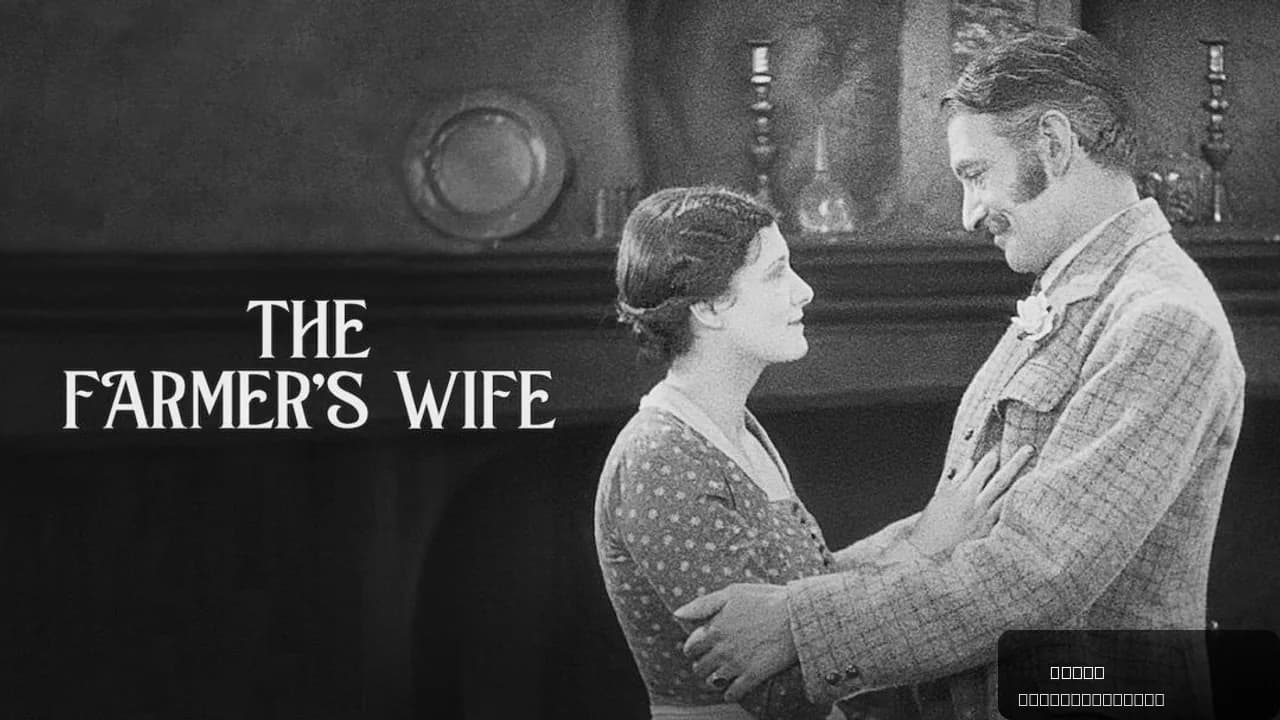
The Farmer's Wife opens on a milestone: a wedding. The protagonist—a prosperous, middle-aged farmer—has just watched his daughter walk down the aisle, and with her departure, something shifts inside him. He's a widower, successful in his fields but lonely in his home, and he decides the moment has come to remarry. What unfolds isn't a straightforward love story, though. Instead, it's a catalogue of rejections, awkward courtships, and the slow, sometimes comic realization that finding a suitable mate isn't a transaction but a puzzle with no clean solution. The film's genius lies in how it treats this premise—not as melodrama, but as something genuinely human: a man confronting his own vanity, his assumptions about what he deserves, and the gap between who he thinks he is and who he actually is.
The farmer's search takes him through a small parade of potential brides, each encounter a small humiliation or misstep. There's the housekeeper, steady and devoted, who watches from the margins. There's the handyman, loyal in his own way, offering a kind of grounded wisdom that the farmer can't quite hear. The rejections pile up—some comic, some stinging—and what could've been a simple farce becomes something stranger and more affecting: a meditation on what we're willing to accept about ourselves when we're desperate for companionship.
Behind the Making of The Farmer's Wife and Hitchcock's Early Mastery
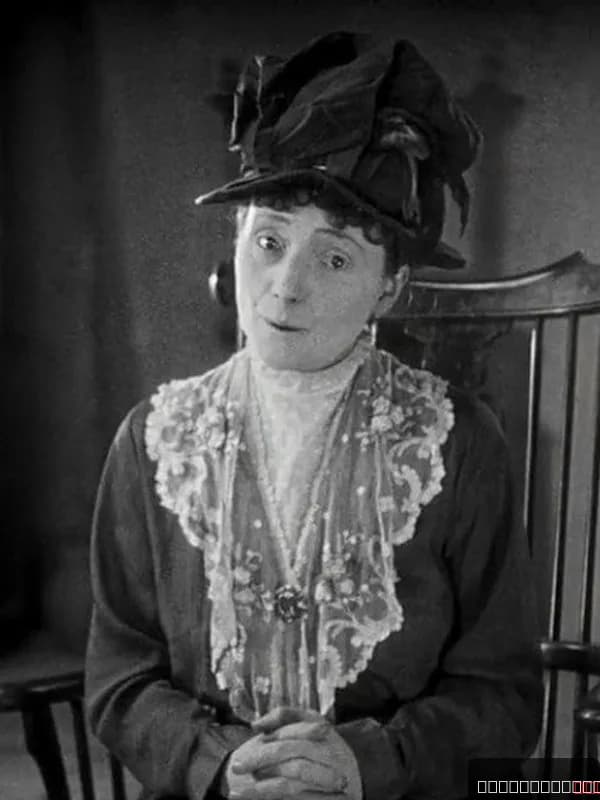
Alfred Hitchcock directed The Farmer's Wife in 1928, when he was still establishing himself as a force in British cinema—three years before Blackmail would make him a household name, and well before his American period would cement his legend. The film runs 111 minutes and was produced during the twilight of the silent era, a moment when talkies were already reshaping the industry. Hitchcock shot it anyway, without dialogue, relying entirely on performance, gesture, and the kind of visual storytelling that would define his career. The cast featured Jameson Thomas in the lead role, alongside Lillian Hall-Davis as the housekeeper, and Gordon Harker as the handyman—solid character actors who understood how to convey emotion without a word.
What's striking is that Hitchcock brought his emerging signature style to a comedy. This isn't the Hitchcock of suspense and shadow; it's Hitchcock learning how to orchestrate human behavior, how to build a scene so that every glance and hesitation lands with precision. The film didn't achieve the box-office dominance of his later thrillers, and it's rarely mentioned in the same breath as Vertigo or Psycho, but it shows a director unafraid to work in genre and tone that didn't yet define him. The 111-minute runtime was substantial for a silent comedy—Hitchcock wasn't rushing through the material. He was taking time with the character work, letting scenes breathe, trusting that the audience would stay invested in a farmer's emotional fumbling. Movie OTT tracks how these early Hitchcock films have circulated through streaming platforms, making it easier to trace his evolution from silent-era craftsman to global icon.
What Makes The Farmer's Wife Stand Out Among Silent Comedies
The performances anchor everything. Jameson Thomas doesn't play the farmer as a fool—he's a man of some dignity, someone used to being obeyed in his own home, suddenly confronting the fact that charm and money aren't enough. His face carries the weight of that realization across scene after scene. Lillian Hall-Davis, as the housekeeper, does something harder: she conveys a kind of patient, almost invisible love, the kind that doesn't demand recognition but simply endures. Gordon Harker's handyman is grounded, practical, a man who understands the farmer better than the farmer understands himself. The silent medium forces these actors to do the work that dialogue usually does—and they do it.
What's remarkable is how the film treats its central theme without sentimentality. Marriage, remarriage, the search for companionship after loss—these aren't new subjects, but Hitchcock approaches them with a specificity that feels modern even now. The farmer's vanity isn't mocked; it's observed. His loneliness isn't wallowed in; it's acknowledged as a fact of his life. The comedy doesn't undercut the emotion—it deepens it. There's a scene where the farmer, rejected yet again, sits with a kind of deflated dignity that's both funny and genuinely sad. Hard to say if contemporary audiences felt that tonal complexity, but it's there in the film itself, waiting to be found. Critics have noted the film's restraint, its refusal to sentimentalize widowhood or remarriage in the way that many period films might. The IMDb rating of 5.7/10 reflects, perhaps, the gap between what modern viewers expect from a Hitchcock film and what he actually made here—something quieter, more observant, less concerned with plot mechanics than with the texture of human disappointment and small kindnesses.
Where to Stream The Farmer's Wife Online
The Farmer's Wife is currently available on Prime Video, where you can stream this 1928 silent film on demand. Given that the film is nearly a century old and was produced in Britain during the silent era, its availability on a major platform is itself noteworthy—it speaks to the growing interest in early cinema and Hitchcock's complete filmography. The Where to Watch widget at the top of this page will show you the most current streaming options, but Prime Video is your primary destination for this one. Movie OTT keeps tabs on where classic films like this one live in the streaming ecosystem, since availability can shift. If you're a Hitchcock completist or interested in silent cinema, it's worth checking availability regularly.
Frequently asked questions
Q: Who directed The Farmer's Wife?
Alfred Hitchcock directed The Farmer's Wife in 1928, early in his career when he was still working in the silent era. It's one of his pre-fame films, made before he became known for psychological thrillers.
Q: Is The Farmer's Wife a silent film?
Yes, The Farmer's Wife is entirely silent, running 111 minutes without dialogue. It relies on performance, gesture, and visual storytelling—a product of its time, but also a testament to Hitchcock's ability to convey emotion and narrative without sound.
Q: What is The Farmer's Wife about?
The film follows a widowed farmer who decides to remarry after his daughter's wedding. His search for a suitable wife becomes a series of rejections and awkward encounters that reveal as much about his vanity and loneliness as about the women he pursues.
Q: Where can I watch The Farmer's Wife?
The Farmer's Wife is available on Prime Video. Check the Where to Watch widget above for the most up-to-date streaming availability and any platform changes.
Q: Is The Farmer's Wife based on a true story?
No, The Farmer's Wife is not based on a true story. It's an original screenplay adapted for the screen, though the themes of widowhood, remarriage, and the search for companionship are timeless and relatable.
Final Thoughts on The Farmer's Wife
The Farmer's Wife won't deliver the suspense or psychological torment you might expect from Hitchcock's name—and that's precisely why it deserves your attention. It's a film about ordinary people confronting ordinary heartbreak, about the gap between who we think we are and who we actually are. The comedy is gentle, the emotion is real, and the performances linger. If you're interested in seeing a master director working outside his later reputation, or if you simply want to understand how cinema told stories before dialogue arrived, this 1928 film is worth 111 minutes of your time. Stream it on Prime Video and discover a Hitchcock you might not expect—but one you won't forget.